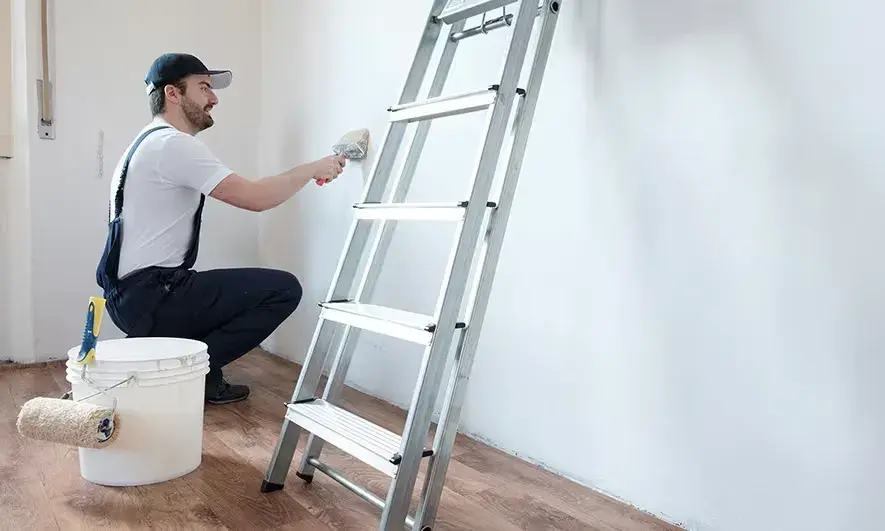
Must‑Have Safety Equipment Every Painting Contractor Needs
Painting contractors deal with a wide range of hazards, overspray, solvents, sanding dust, loud equipment, chemical fumes, and elevated work. OSHA requires painters on construction‑related sites to use properly fitting Personal Protective Equipment (PPE) in accordance with 29 CFR 1926. This includes protective eyewear, respiratory protection, gloves, fall‑protection gear, and more.
Below are essential pieces of safety equipment widely used among professional painting contractors.
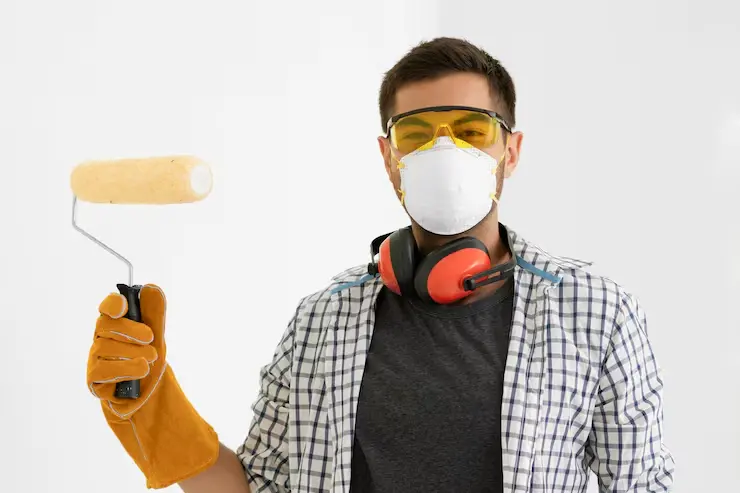
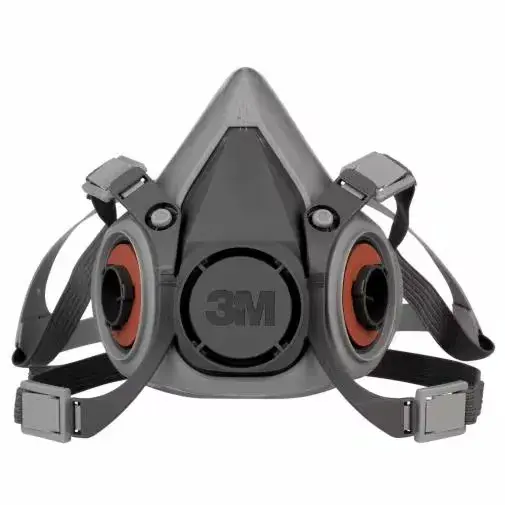
Respiratory protection is one of OSHA’s most critical requirements, especially where sanding, spraying, or solvent use is involved (29 CFR 1926.103). This 3M respirator is lightweight, comfortable, and compatible with a range of 3M cartridges for filtering paint fumes, dust, and organic vapors, making it ideal for interior and exterior painting.
Eye protection is mandatory under OSHA 1926.102, as painting contractors face hazards like chemical splashes, sanding debris, and overspray. These DEWALT goggles feature a sealed fit, anti‑fog coating, and impact‑resistant lens that meets ANSI Z87.1 standards, perfect for spraying, grinding, or prep work in dusty environments.

OSHA’s PPE rule (1926.95) requires painters to wear hand protection that resists chemicals and solvents. Heavy‑duty nitrile gloves protect against paint, lacquer thinner, caustic cleaners, and epoxy coatings. With strong tear resistance and reliable grip, they’re essential for prep, cleanup, and coating work.

Disposable coveralls protect painters from overspray, dust, and solvent splash per OSHA 1926.95. Options like full‑body hooded suits offer complete coverage for exterior spraying, interior refinishing, and commercial painting projects. These suits help painters maintain a professional appearance while reducing cleanup time.

For any work performed above 6 feet, OSHA’s fall‑protection standards (1926 Subpart M) require the use of an approved harness and fall‑arrest system. This ANSI/OSHA‑approved harness includes a shock‑absorbing lanyard, high‑visibility webbing, and durable hardware, ideal for painters working on lifts, roofs, or multi‑story exteriors.

Commercial painting often places crews among multiple trades and equipment. OSHA’s general safety requirements (1926 Subpart C) emphasise visibility in active job‑site areas. ANSI Class 2 vests help painters remain visible during exterior projects, warehouse repainting, or nighttime commercial work.

Why This Matters for Your Business
Safety gear isn’t optional, it’s required by OSHA and essential for protecting your team. Equipping your painters with the right PPE:
Reduces the risk of injury or chemical exposure
Improves productivity and comfort on long jobs
Helps maintain OSHA compliance (avoiding costly fines)
Enhances your company’s professional reputation
Reduces downtime caused by preventable accidents
Investing in proper safety equipment protects your crew and your bottom line.
Protect Your Painting Business
Even with the right safety gear, accidents and unexpected incidents can still occur. Painting contractors face risks such as falls, overspray damage, equipment loss, and workplace injuries. Contractor insurance provides essential protection.

Painting contractor insurance can include:
General liability
Workers compensation
Contractor tools & equipment
Commercial auto
Job‑site property coverage
Protect your people, your tools, and your business.
👉 Click here to get a fast, no‑obligation quote from Wexford Insurance.