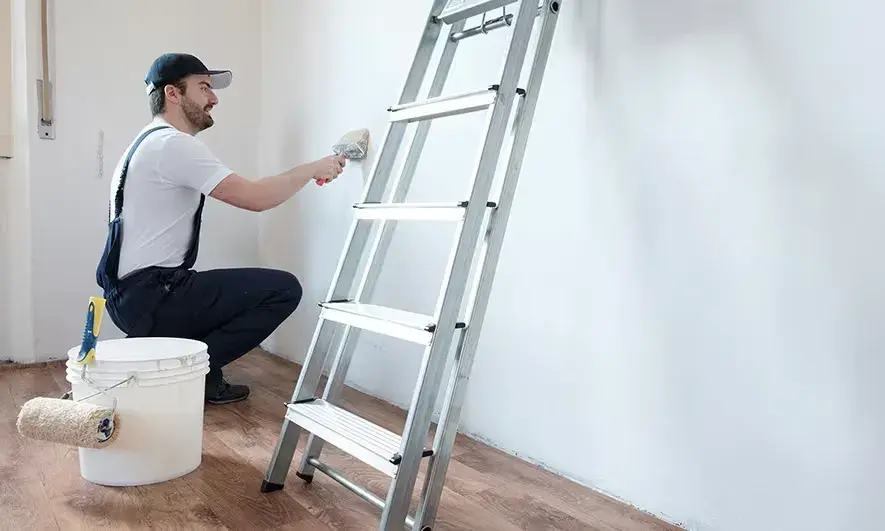
OSHA Recommended Safety Gear for Painting Contractors
Updated: Aug 31
Painting contractors work in environments where OSHA‑regulated hazards exist daily, chemical fumes, overspray, airborne dust, noise, slip risks, and fall hazards. OSHA requires contractors on construction‑related painting projects to use properly fitting Personal Protective Equipment (PPE), following standards in 29 CFR 1926 covering eye protection, respiratory protection, head protection, and more. OSHA’s 2025 PPE Fit Rule also mandates that all PPE must properly fit each worker, eliminating “one‑size‑fits‑most” compliance gaps.
Below are OSHA‑aligned PPE essentials contractors rely on for safe and compliant painting operations.

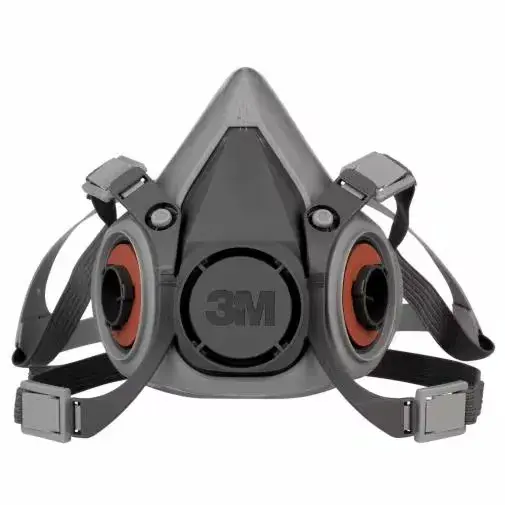
Respirators fall under OSHA 1926.103 respiratory protection, requiring proper filtration for hazards like sanding dust, paint fumes, and solvents. The 3M 6200 offers strong protection and compatibility with multiple cartridges, making it ideal for spraying, sanding, and solvent‑heavy interior work.
OSHA requires ANSI‑rated eye and face protection under 1926.102, especially where chemical splashes, overspray, or flying debris are present. These DEWALT goggles provide impact resistance, anti‑fog performance, and a sealed fit, perfect for commercial spraying and sanding tasks.

OSHA mandates head protection under 1926.100 when work occurs around overhead hazards or active construction zones. This full‑brim hard hat offers Class E/G/C compliance and is suitable for painters working on commercial buildings, exteriors, or alongside other trades.

Painters working in commercial or industrial sites must stay visible to operators, forklifts, and other trades, aligning with OSHA’s general safety provisions under 1926 Subpart C. This ANSI/ISEA‑certified hi‑vis vest ensures visibility in dim interiors, warehouses, and busy job sites.

Hand protection must meet OSHA’s 1926.95 PPE requirements for chemical safety. Nitrile gloves resist paints, thinners, degreasers, and epoxy coatings far better than latex. Heavy‑duty nitrile options protect contractors during surface prep, spraying, and clean‑up tasks with strong chemical resistance.

Coveralls help painters stay compliant with OSHA’s requirements to avoid chemical exposure to skin under 1926.95 PPE criteria. Disposable hazmat‑style suits or reusable nylon‑cotton coveralls shield against overspray, dust, and solvent splash. Excellent for commercial spraying, blasting, and exterior paint removal.

Why This Matters for Your Painting Business
Following OSHA guidelines isn’t just about avoiding citations—it protects your crew and reduces liability. Using proper PPE:
Prevents injuries and long‑term health issues
Improves crew productivity and comfort
Enhances professionalism on job sites
Reduces risk of costly accidents
Ensures compliance for commercial and municipal bids
The right safety gear is essential for every painting contractor operating in 2026.
Protect Your Painting Business
Even with OSHA‑compliant gear, job‑site hazards can still occur: chemical spills, overspray damage, fall injuries, or equipment loss. The right insurance coverage ensures your painting business is protected financially and legally.

Painting contractor insurance can include:
General liability
Workers compensation
Tools & equipment
Commercial auto
Property & job‑site coverage
Stay compliant. Stay protected. Stay profitable.
👉 Click here to get a fast, no‑obligation quote from Wexford Insurance.