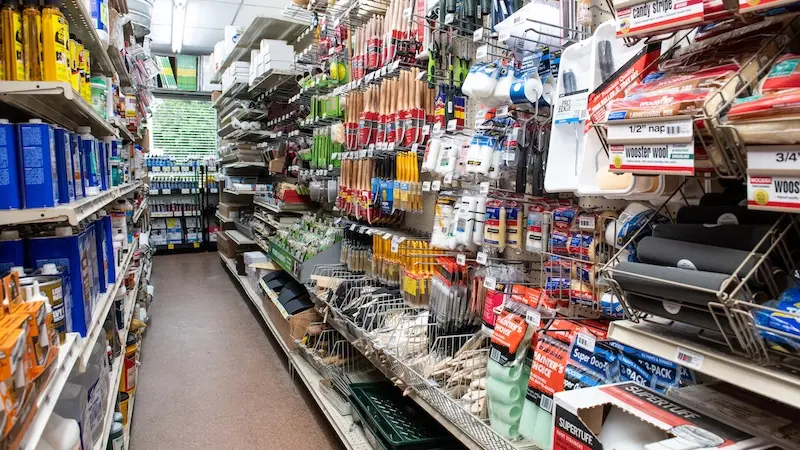
Is a Hardware Store Profitable? Independent Retail Numbers
Owning a hardware store is a dream for many entrepreneurs who enjoy helping customers solve problems and supporting their local community. But before investing your savings, you probably want to answer one important question: Is a hardware store profitable?

The short answer is yes, a hardware store can be profitable when it is well-managed, serves the right market, and controls costs. However, success depends on much more than simply stocking shelves with tools and building supplies. Understanding expenses, competition, inventory management, and insurance can make a major difference in long-term profitability.
Is a Hardware Store Profitable?
Yes, a hardware store can be profitable, but profits vary based on location, product selection, customer demand, operating expenses, and business management. Independent hardware stores often succeed by offering expert advice, specialty products, and personal customer service that larger retailers may not provide.
Many successful owners increase profits by:
Building strong relationships with local contractors
Offering hard-to-find products
Providing equipment rentals
Selling seasonal merchandise
Expanding into online sales
Offering delivery services
Maintaining efficient inventory control
Like many retail businesses, consistent cash flow and careful expense management are just as important as total sales.
What Makes Independent Hardware Stores Successful?
Independent hardware stores compete differently than national chains. While they may not always match big-box pricing, they often win by providing convenience, local knowledge, and outstanding customer service.
Customers frequently choose local hardware stores because they can:
Get expert product recommendations
Find specialty fasteners and repair parts
Shop closer to home
Receive faster assistance
Support local businesses
Many stores also become trusted suppliers for plumbers, electricians, landscapers, painters, and general contractors who value reliable inventory and knowledgeable staff.
Revenue Streams Beyond Product Sales
The most profitable hardware stores usually earn money from several sources instead of relying only on retail sales.
Common revenue opportunities include:
Tool and Equipment Rentals
Many stores rent pressure washers, trenchers, ladders, tile saws, carpet cleaners, and other equipment. Rentals can help generate recurring revenue while attracting new customers.
Key Cutting and Lock Services
Simple services like key duplication, lock rekeying, and lock installation create additional income while increasing customer visits.
Paint Mixing
Custom paint mixing often brings repeat customers and creates opportunities to sell brushes, rollers, tape, and drop cloths.
Contractor Accounts
Local contractors may purchase materials every week. Building these relationships can provide consistent sales throughout the year.
Seasonal Merchandise
Snow shovels, salt, grills, gardening supplies, generators, holiday lighting, and lawn care products help balance seasonal demand.
Online Sales
Many independent stores now sell products through their own websites or online marketplaces, allowing them to reach customers outside their immediate area.
Major Expenses That Affect Profitability
Every retail business has operating costs. Understanding these expenses helps owners protect their profit margins.
Common expenses include:
Inventory purchases
Employee wages
Rent or mortgage payments
Utilities
Point-of-sale systems
Marketing
Credit card processing fees
Equipment maintenance
Property maintenance
Insurance
Taxes
Inventory usually represents one of the largest investments. Ordering too much ties up cash, while ordering too little can result in missed sales.
Inventory Management Is Critical
Hardware stores often carry thousands of different products.
That creates both opportunity and risk.
Inventory that sits on shelves too long ties up working capital and may eventually require markdowns. On the other hand, running out of popular items can frustrate customers and send them to competitors.
Successful owners regularly review:
Fast-moving products
Slow-selling inventory
Seasonal demand
Supplier lead times
Gross profit by product category
Modern inventory software helps automate much of this process, making purchasing decisions easier.
Competition Is Strong, But Local Stores Still Win
Independent hardware stores compete against:
Big-box home improvement stores
Farm supply retailers
Discount retailers
Online marketplaces
Specialty tool suppliers
Despite this competition, many local stores continue to thrive by focusing on service instead of price alone.
Customers often appreciate:
Faster shopping experiences
Friendly staff
Local expertise
Personalized recommendations
Specialty inventory
Convenience remains one of the biggest advantages independent businesses have over larger competitors.
Serving Contractors Can Increase Revenue
Many independent hardware stores build strong contractor programs.
Professional customers often purchase:
Fasteners
Safety supplies
Electrical materials
Plumbing parts
Hand tools
Power tools
Jobsite consumables
Adhesives
Paint supplies
Contractors also tend to become repeat customers when they receive dependable service and consistent inventory availability.
Common Risks Hardware Store Owners Face
Every business has risks that could interrupt operations or create unexpected expenses.
Some of the most common risks include:
Customer Injuries
Customers may slip on wet floors, trip over merchandise, or become injured while loading heavy products.
Property Damage
Fire, storms, vandalism, or water damage may damage inventory, shelving, or equipment.
Theft
Retail theft remains a challenge for many stores. Employee theft can also create financial losses if proper controls are not in place.
Equipment Damage
Forklifts, pallet jacks, and rental equipment require maintenance and may be damaged during daily operations.
Product Liability
Although manufacturers often bear responsibility for product defects, hardware stores may still become involved in lawsuits depending on the circumstances.
Why Insurance Matters for Hardware Stores
Insurance cannot prevent accidents, but it can help reduce the financial impact of covered losses.
Depending on your business, a hardware store insurance program may include:
General liability insurance, which may help cover certain third-party bodily injury or property damage claims.
Commercial property insurance, which may help protect your building, inventory, fixtures, and equipment after covered events.
Business interruption insurance, which may help replace lost income if a covered loss temporarily shuts down operations.
Workers' compensation insurance, which is generally required for businesses with employees in most states, though requirements vary.
Commercial auto insurance if your business owns delivery vehicles.
Cyber insurance if customer payment information or business systems are affected by a covered cyber event.
Crime coverage, which may help address certain losses involving theft or employee dishonesty, depending on the policy.
Coverage varies by insurer, policy terms, exclusions, and state regulations. A licensed insurance agent can help determine which options fit your specific operation.

How Much Does Hardware Store Insurance Cost?
There is no single price for hardware store insurance.
Premiums vary widely based on factors such as:
Store size
Annual revenue
Number of employees
Inventory value
Building ownership
Claims history
Security systems
Location
Types of products sold
Optional coverages selected
Many small operators see annual premiums within a broad range, but every business is different. The best way to understand your costs is to request quotes based on your actual operations.
Tips for Improving Hardware Store Profitability
Small improvements can have a significant impact over time.
Consider these strategies:
Monitor inventory turnover closely.
Build long-term contractor relationships.
Offer services competitors do not.
Invest in employee product knowledge.
Review pricing regularly.
Reduce inventory shrinkage.
Improve online visibility.
Encourage repeat business through loyalty programs.
Cross-sell related products.
Review insurance coverage annually as your business grows.
Strong financial management is often more important than simply increasing sales.
Planning for Long-Term Growth
Successful hardware stores continue adapting to changing customer expectations.
Many owners expand by:
Opening additional locations
Adding ecommerce
Increasing contractor sales
Offering equipment rentals
Hosting DIY workshops
Expanding seasonal inventory
Improving delivery services
Staying connected with local customers helps independent stores remain competitive despite larger national retailers.
For practical guidance on managing a retail business, the U.S. Small Business Administration offers planning tools, financing information, and operational resources at https://www.sba.gov. Business owners can also find workplace safety guidance through OSHA at https://www.osha.gov, which provides valuable information for reducing employee injuries and creating safer workplaces.
Choosing the Right Insurance Partner
As your hardware store grows, your insurance needs often change as well.
At Wexford Insurance, we work with contractors, retailers, and service businesses across the country to help them understand their risks and explore commercial insurance options that fit their operations. Rather than offering one-size-fits-all policies, we take time to understand how each business operates so owners can make informed coverage decisions.
Because every hardware store is different, it's important to review your insurance regularly with a licensed insurance professional who understands your business and your state's requirements.
Frequently Asked Questions
How much money can a hardware store make?
Revenue and profit vary significantly depending on location, competition, inventory management, and operating expenses. Well-managed stores with loyal customers and multiple revenue streams often perform better than those relying solely on retail sales.
Do independent hardware stores compete with big-box retailers?
Yes. Many succeed by focusing on customer service, specialty inventory, convenience, and contractor relationships rather than competing on price alone.
What insurance does a hardware store usually need?
Many hardware stores consider general liability, commercial property, workers' compensation, business interruption, commercial auto, cyber insurance, and crime coverage. The right combination depends on your operations and state requirements.
Is opening a hardware store a good investment?
It can be for entrepreneurs who understand retail operations, inventory management, and local market demand. Careful planning and strong financial management are essential before opening any business.
Should I speak with an insurance agent before opening my store?
Yes. A licensed insurance agent can explain coverage options, identify common risks, and help you build an insurance program that fits your business without paying for unnecessary coverage.
Get a Free Hardware Store Insurance Quote
Whether you're opening your first hardware store or growing an established business, having the right insurance is an important part of protecting everything you've built.
Wexford Insurance helps contractors, retailers, and service businesses understand their risks and explore commercial insurance solutions tailored to their operations.
Contact Wexford Insurance today to request a free, no-obligation quote from a licensed insurance professional.