Hardware Store Insurance: A Complete Coverage Guide
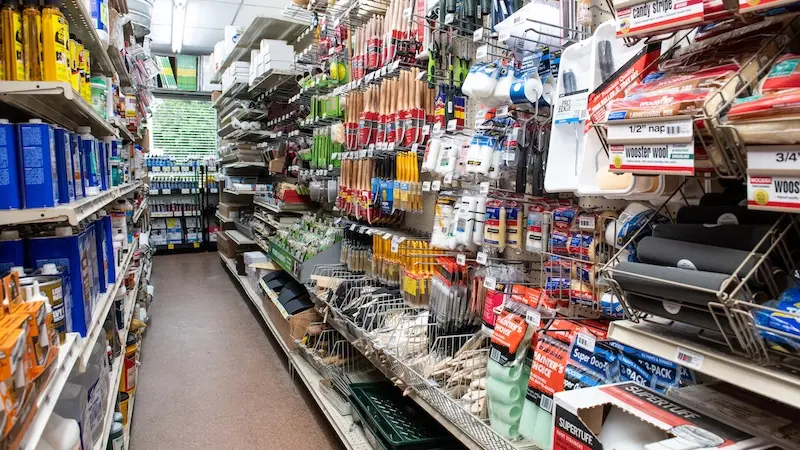
Running a hardware store means dealing with more than just nails, paint, and power tools. You’re also managing valuable inventory, busy foot traffic, employee safety, and the constant risk of property damage or theft. One fire, break-in, or injury claim can disrupt everything.

That’s why many owners look into hardware store insurance to help protect their business from unexpected losses. The right coverage can help keep your store, inventory, and income safer when things go wrong.
What Is Hardware Store Insurance?
Hardware store insurance is a bundle of business insurance coverages designed to protect retail hardware businesses from financial losses. It typically combines several types of policies that address the unique risks of selling tools, building materials, and equipment.
In simple terms, it helps cover your store if something breaks, burns, gets stolen, or leads to a liability claim. Depending on your policy, it may include protection for your building, inventory, employees, and day-to-day operations.
Why Hardware Stores Need Specialized Coverage
Unlike general retail shops, hardware stores often carry:
Heavy and high-value tools and equipment
Flammable materials like paint and solvents
High customer interaction with potential injury risks
Loading and unloading activity that increases accident exposure
Because of these risks, insurance for hardware stores is usually broader than standard small retail store insurance.
What Does Hardware Store Insurance Typically Cover?
A strong insurance package is usually made up of several core coverages. Each one protects a different part of your business.
General Liability Insurance for Hardware Stores
General liability insurance helps protect you if someone is injured in your store or if you accidentally damage someone else’s property.
It may help cover:
Customer slip-and-fall injuries
Accidental damage to a customer’s property
Legal defense costs if you're sued
This is one of the most important coverages for any retail business because accidents can happen in seconds.
Property insurance for retail stores helps protect your physical location and what’s inside it.
It typically may cover:
Store building (if owned)
Inventory like tools, lumber, and supplies
Shelving, fixtures, and point-of-sale systems
Damage from fire, storms, or vandalism
For hardware stores, inventory protection is especially important because stock values can be high and constantly changing.
Business Interruption Insurance
If your store has to close temporarily due to a covered event, business interruption insurance may help replace lost income.
It can help with:
Rent or mortgage payments
Employee payroll
Ongoing bills like utilities
This coverage can be the difference between reopening after a disaster or shutting down permanently.
If you have employees, workers’ compensation insurance is usually required by law in most U.S. states.
It may help cover:
Medical expenses after a workplace injury
Partial loss of wages during recovery
Rehabilitation costs in some cases
Hardware stores often involve lifting, stocking, and equipment handling, which increases the importance of this coverage.
Some policies include or allow add-ons for tools and equipment used in daily operations. This can include store-owned tools, forklifts, or delivery equipment.
Coverage can vary, but it often helps with repair or replacement after covered damage or theft.

What Does Hardware Store Insurance Usually Not Cover?
Understanding exclusions is just as important as understanding coverage. While policies vary, hardware store insurance typically does not cover:
Intentional damage or fraud
Wear and tear or maintenance issues
Certain types of uncovered natural disasters (depending on policy)
Employee theft (unless specifically added)
Reading policy details carefully helps avoid surprises later.
How Much Does Hardware Store Insurance Cost?
There is no single price for hardware store insurance. Costs vary widely based on several factors, including:
Store size and location
Value of inventory and property
Number of employees
Coverage limits and deductibles
Claims history
In general terms, many small retail businesses see annual premiums that can range from a few thousand dollars to higher amounts for larger or higher-risk operations. The best way to understand your actual cost is to request a customized quote based on your store’s details.
Key Risks Hardware Store Insurance Helps Protect Against
Hardware stores face a mix of retail and industrial risks. A good insurance plan helps protect against many of them.
Customer Injuries
Spills, falling items, or crowded aisles can lead to accidents. Liability coverage can help manage the financial impact of these claims.
Theft and Shoplifting
Because hardware items are often small, valuable, and easy to resell, theft is a real concern. Property insurance may help with losses depending on the situation.
Fire and Water Damage
Paint, chemicals, and electrical tools increase fire risk. Water damage from plumbing issues or storms can also destroy inventory quickly.
Employee Injuries
Stocking shelves, lifting heavy items, and working in storage areas can lead to injuries. Workers’ compensation helps support employees and protect the business.
Real-World Example of Why Coverage Matters
Imagine a scenario where a small hardware store experiences a fire in its storage area. Even if no one is hurt, the damage to inventory, shelving, and equipment could be significant.
Without insurance, the owner may need to pay out of pocket for repairs and restocking. With the right coverage, property insurance and business interruption insurance may help the business recover and reopen more quickly.
How to Choose the Right Hardware Store Insurance
Choosing the right policy is less about finding “the best” plan and more about finding the right fit for your business.
Step 1: Evaluate your risks
Start by looking at:
Your inventory value
Store size and layout
Employee count
Customer traffic levels
Step 2: Bundle coverages
Many businesses combine general liability, property insurance, and workers’ compensation into a business owner’s policy (BOP), which can simplify coverage management.
Step 3: Review limits and deductibles
Higher coverage limits may offer more protection, but can also affect pricing. Deductibles determine how much you pay before insurance applies.
Step 4: Work with an experienced agent
A licensed insurance agent can help tailor coverage to your store’s specific needs and explain options in plain language.
Helpful Resources for Hardware Store Owners
OSHA workplace safety guidelines: https://www.osha.gov
U.S. Small Business Administration insurance basics: https://www.sba.gov
These organizations provide helpful information on safety standards and business planning for retail owners.
FAQ – Hardware Store Insurance
What is the most important insurance for a hardware store?
General liability insurance is often considered essential because it helps protect against customer injuries and property damage claims.
Do hardware stores need workers’ compensation insurance?
Yes, in most states workers’ compensation is required if you have employees. It helps cover workplace injury-related medical costs and lost wages.
Does hardware store insurance cover theft?
Property insurance may help cover theft of inventory or equipment, but coverage details depend on the specific policy and terms.
Can I bundle coverage for my hardware store?
Yes. Many businesses combine multiple coverages into a single policy package, which can simplify management and sometimes reduce overall costs.
Is business interruption insurance necessary?
It is not legally required, but it can be very helpful if your store has to close temporarily due to a covered event.
Final Thoughts
Hardware stores face a unique mix of risks, from customer injuries to high-value inventory losses. A well-structured insurance plan can help protect your business from financial setbacks and support long-term stability.
If you’re reviewing coverage options or starting a new hardware store, speaking with a licensed insurance professional can help you build a policy tailored to your operations.
Contact Wexford Insurance at 317-942-0549 or visit www.wexfordins.com for a customized quote and guidance on hardware store insurance coverage.