
Heat Safety Gear Every Roofing Contractor Needs
- Apr 14
- 2 min read
Roofing is already one of the most physically demanding trades—and extreme heat makes it even more dangerous. Working on rooftops during summer months exposes crews to heat exhaustion, dehydration, and heat stroke, all of which can shut down jobs and trigger serious workers’ compensation claims.

Investing in heat safety gear for roofing contractors isn’t just about comfort—it’s about protecting your crew, maintaining productivity, and reducing liability for your business.
Why Heat Safety Matters in Roofing
Roof surfaces can be 20–40°F hotter than the surrounding air temperature. Combine that with heavy PPE, limited shade, and physical labor, and heat-related incidents become a real risk.
Proper heat safety equipment helps contractors:
Reduce heat exhaustion and heat stroke risk
Maintain hydration and core temperature
Improve focus and decision-making on roofs
Reduce jobsite downtime and medical incidents
Support OSHA heat illness prevention guidelines
Essential Heat Safety Gear for Roofing Contractors
Below are must-have heat safety products commonly used by professional roofing crews.
These evaporative cooling towels activate with water and provide instant neck and head cooling. Ideal for steep-slope residential roofing and tear-offs where shade is limited. Lightweight and reusable, they help regulate body temperature during long roof exposure.

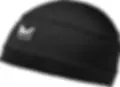
Designed to fit under hard hats or helmets, these cooling liners use moisture-activated technology to reduce heat buildup. Perfect for commercial roofing crews required to wear head protection while working in direct sun.
Cooling vests help lower core body temperature using phase change packs that stay cool without becoming ice-cold. These are ideal for extended commercial roofing jobs, metal roofing installs, and crews working multiple hours without breaks.

Hydration is critical in roofing heat conditions. Sqwincher products replenish electrolytes lost through sweat and are easy to distribute across crews. Freeze pops are especially effective for rapid cooling during breaks.

Ventilated helmets improve airflow while maintaining impact protection. For contractors who require head protection, these helmets reduce heat buildup compared to traditional hard hats—especially important on flat and commercial roofs.

How to Build a Heat Safety Plan for Your Crew
Contractors should pair heat safety gear with:
Scheduled hydration and rest breaks
Shade or cooling zones on job sites
Training to recognize heat illness symptoms
Rotating tasks during peak heat hours
Documented heat safety practices can also help protect your business if an incident occurs.
Insurance Considerations for Heat‑Related Injuries
Heat-related illnesses can lead to emergency medical claims, lost workdays, and increased workers’ compensation premiums. Roofing businesses without proper safety planning face higher insurance risk—especially during summer months.
👉 Wexford Insurance works with roofing contractors to provide tailored general liability and workers’ compensation coverage designed for high-risk, heat-exposed trades.

If you’re upgrading heat safety gear, it’s a smart time to review your coverage and request a quote.