
Eye & Face Protection for Pest Control Operators: PPE Guide, Safety Standards & Best Gear
Pest control operators work in environments where exposure to chemicals, aerosols, debris, and biological hazards is part of the job. Eye and face protection is not optional—it is a core safety requirement that reduces the risk of serious injury, chemical burns, and long-term vision damage.

This guide breaks down the essential PPE (Personal Protective Equipment) used in pest control, what to look for when choosing protective gear, and recommended products available on Amazon. It also highlights why proper insurance coverage matters for pest control businesses.
Why Eye and Face Protection Matters in Pest Control
Pest control technicians regularly handle:
Insecticides and pesticides (liquid sprays, foggers, powders)
Rodenticides and baiting systems
Pressurized spray equipment
Dust, insulation fibers, and debris in crawlspaces and attics
Unexpected splashes during mixing or application
Even a minor exposure to chemical spray can cause:
Severe eye irritation or burns
Temporary or permanent vision damage
Skin and facial contamination
OSHA compliance violations
Because of this, PPE compliance is not just best practice—it is a legal and operational necessity under workplace safety standards like OSHA PPE regulations.
Types of Eye and Face Protection Used in Pest Control
Safety goggles create a sealed barrier around the eyes, protecting against liquid splashes and airborne particles.
Key features to look for:
Indirect ventilation (prevents fogging but blocks splashes)
Anti-fog coating
Chemical-resistant lens material (polycarbonate)
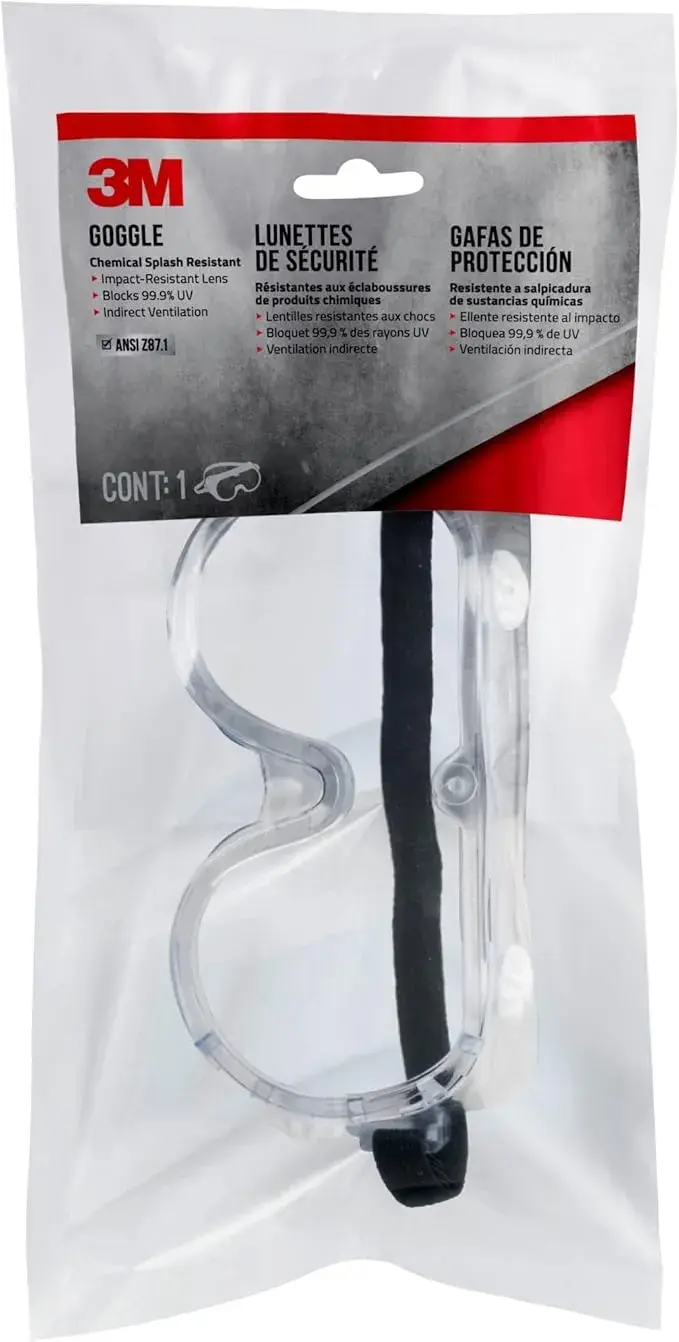
Face shields protect the entire face from sprays, splashes, and flying debris. They are typically worn over safety goggles for layered protection.
Best for:
Mixing concentrated chemicals
Fogging treatments
Attic and crawlspace applications

Some pest control tasks require respirators that integrate with eye protection, especially when dealing with fumigants or strong pesticides.
Benefits:
Combined respiratory and eye safety
Secure fit for hazardous environments
Reduced leakage risk

For low-risk inspections or outdoor applications, protective glasses may be sufficient.
Features:
Lightweight design
Scratch-resistant coating
UV protection for outdoor work

OSHA Standards for Pest Control PPE
The Occupational Safety and Health Administration (OSHA) requires employers to assess workplace hazards and provide appropriate PPE. For pest control companies, this typically includes:
Eye protection (goggles or safety glasses)
Face protection when splash risk is present
Chemical-resistant PPE when handling pesticides
Training on correct PPE usage and maintenance
Failing to comply can lead to fines, liability exposure, and increased workers’ compensation claims.
How to Choose the Right Eye & Face Protection
When selecting PPE for pest control operations, consider:
1. Chemical Exposure Level
Stronger pesticides require sealed goggles and face shields.
2. Work Environment
Crawlspaces → full face protection recommended
Outdoor spraying → safety glasses may suffice
Mixing chemicals → full coverage required
3. Comfort and Fit
If PPE is uncomfortable, workers will “accidentally forget” to wear it. And nothing says “future insurance claim” like that.
4. Anti-Fog Performance
Fogged lenses reduce visibility and increase accident risk.
5. Compatibility with Respirators
Ensure goggles and face shields fit properly with respirators if used.
Common Mistakes Pest Control Operators Make
Using regular sunglasses instead of certified safety eyewear
Wearing loose goggles that allow chemical entry
Skipping face shields during chemical mixing
Reusing damaged or scratched PPE
Ignoring fogging issues until visibility becomes a hazard
These mistakes are small, until they become expensive.
Insurance Considerations for Pest Control Businesses
Even with proper PPE, pest control operations involve inherent risk. Chemical exposure, property damage, and employee injury claims are common exposures in this industry.

A proper insurance program for pest control companies may include:
General Liability Insurance
Workers’ Compensation Insurance
Commercial Auto Insurance
Professional Liability Coverage
Pollution Liability Insurance (for chemical exposure risks)
Businesses looking to reduce financial exposure and improve compliance readiness can request a customized quote from Wexford Insurance, which specializes in coverage for contractors and service-based businesses.
Call us at 317-942-0549 or visit www.wexfordins.com.
Final Thoughts
Eye and face protection in pest control is not about overkill—it is about preventing avoidable injuries in a high-risk environment. The right PPE combination depends on the chemicals used, the environment, and the task being performed, but at a minimum, safety goggles and face shields should be standard equipment.
For pest control operators scaling their business, safety compliance and insurance protection go hand in hand. One protects the technician. The other protects the business when things inevitably go wrong.


