
Tools to Prevent Cross-Contamination in Pest Control
In the pest control industry, professionalism goes beyond eliminating pests—it includes maintaining strict hygiene and safety standards across every job. One of the most overlooked risks contractors face is cross-contamination.
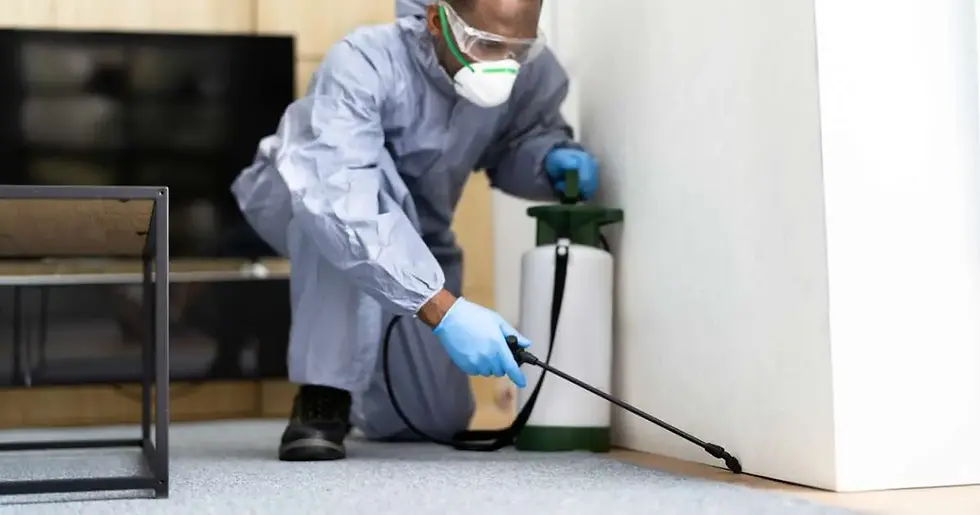
Whether transferring chemicals between job sites or moving equipment from one property to another, failing to prevent contamination can lead to serious consequences—including health risks, regulatory issues, and damage to your reputation.
In this guide, we’ll break down the best tools to prevent cross-contamination in pest control, how contractors use them daily, and how implementing the right systems can improve safety, compliance, and operational efficiency.
Why Cross-Contamination Is a Serious Risk
Cross-contamination happens when chemicals, pests, or residues are unintentionally transferred between locations, tools, or surfaces.
Common causes include:
Using the same equipment without cleaning
Improper chemical storage or labeling
Reusing contaminated PPE
Transporting untreated residues between job sites
Risks involved:
Chemical exposure to clients or staff
Damage to property or surfaces
Violations of EPA or OSHA standards
Loss of customer trust
Preventing contamination isn’t optional—it’s essential for running a professional pest control operation.
Using separate sprayers for different chemicals or environments helps eliminate cross-contamination.
Recommended Option:
Chapin 20004 Lawn & Garden Pump Sprayer
Adjustable nozzle for precise applications
Chemical-resistant seals
Clearly labeled for dedicated use

Why Contractors Use It:
Prevents mixing incompatible chemicals
Ensures accurate treatment application
Reduces risk of accidental contamination
Best Use Cases:
Assigning separate sprayers per chemical type
Residential vs commercial service differentiation
Color coding is one of the easiest ways to avoid mix-ups.
Recommended Option:
Uineko Chemical-Resistant Spray Bottles (Multi-Pack)
Durable HDPE material
Multiple colors for identification
Adjustable spray settings

Why Contractors Use It:
Provides quick visual identification
Prevents accidental misuse of chemicals
Improves organization
Proper labeling ensures every container is clearly identified.
Recommended Option:

Why Contractors Use It:
Prevents confusion between chemicals
Maintains compliance with safety standards
Ensures long-term label durability
Cleaning tools between jobs is critical to preventing contamination.
Recommended Option:
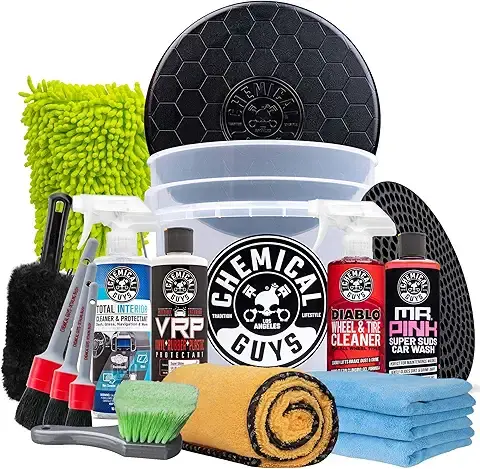
Why Contractors Use It:
Removes chemical residue
Prevents transfer between sites
Extends equipment lifespan
Best Use Cases:
Cleaning sprayers and nozzles
Washing application tools
Decontaminating equipment after heavy treatments
Using disposable gear reduces the risk of transferring contaminants.
Recommended Option:

Why Contractors Use It:
Eliminates reuse contamination risk
Improves hygiene between jobs
Easy disposal after high-risk treatments
Building a Cross-Contamination Prevention System
Top pest control contractors build structured systems—not just toolkits.
A Complete System Includes:
Dedicated equipment for specific treatments
Color-coded and labeled containers
Cleaning tools and disinfectants
Proper storage and separation methods
Disposable PPE and protective barriers
Best Practices:
Clean tools after every job
Never reuse contaminated PPE
Store chemicals separately
Inspect equipment regularly
Train technicians on proper protocols
Common Mistakes to Avoid
Avoid these costly errors:
Using the same tools across multiple sites without cleaning
Mixing chemicals in unmarked containers
Storing clean and used tools together
Skipping sanitation between jobs
These mistakes can lead to:
Health risks
Compliance violations
Customer complaints
How Preventing Cross-Contamination Improves Your Business
Investing in prevention tools leads to:
Safer operations
Reduced liability
Better customer experience
Stronger professional reputation
Long-term benefits include:
Higher client retention
Fewer service issues
Increased trust and referrals
Why Insurance Matters for Pest Control Contractors
Even with the best systems, risks still exist.
Pest control contractors may face:
Contamination-related claims
Property damage incidents
Chemical exposure lawsuits
Regulatory penalties
Without proper insurance coverage, these risks can be financially damaging.
Protect Your Business with Wexford Insurance
At Wexford Insurance, we specialize in helping pest control contractors protect their operations with the right coverage solutions.
Whether you're improving safety systems or scaling your business, we can help you secure:
General liability insurance
Workers’ compensation
Commercial auto coverage
Tools and equipment protection
Get a customized quote for your business today:
👉 Call 317-942-0549 or visit https://www.wexfordins.com/
Final Thoughts
Preventing cross-contamination isn’t just about compliance—it’s about delivering consistent, professional service.
By investing in the right tools to prevent cross-contamination in pest control, you can:
Improve safety on every job
Reduce exposure and liability risks
Enhance customer trust
Maintain a high standard of service
Combined with proper insurance coverage, these systems help build a pest control business that is safe, efficient, and built for long-term success.


