
Complete Pest Control Contractor Equipment Checklist (2026)
Operating a successful pest control business in 2026 requires more than technical expertise—it requires a well-structured, efficient equipment setup. While the market offers an overwhelming number of tools, experienced contractors understand that profitability comes from using a focused set of reliable, high-performance equipment.

This guide provides a streamlined pest control contractor equipment checklist, highlighting essential tools that support daily operations, improve treatment accuracy, and enhance safety compliance.
Why a Focused Equipment Setup Matters
A carefully selected equipment setup allows pest control professionals to:
Deliver consistent treatment results
Improve operational efficiency on every job
Reduce chemical waste and errors
Maintain compliance with industry standards
Scale their business with fewer inefficiencies
Rather than overinvesting in unnecessary tools, successful contractors prioritize core equipment that delivers measurable value.
Essential Pest Control Equipment for Contractors
Below are six foundational tools every pest control business should have in place.
Recommended Product:
The backpack sprayer is the primary application tool for exterior pest control treatments. It provides consistent coverage across large areas and significantly reduces operator fatigue compared to handheld units.
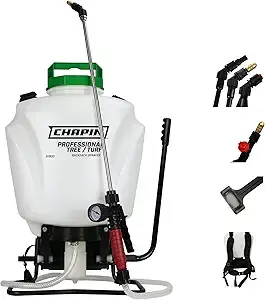
Key Benefits:
Efficient perimeter and foundation treatments
Increased productivity for large properties
Comfortable for extended daily use
Recommended Product:
A pump sprayer is essential for detailed applications where control and accuracy are required. It is widely used for interior treatments and targeted pest control work.
Key Benefits:
Ideal for spot treatments
Improved control in tight or sensitive areas
Lightweight and easy to transport

Recommended Product:
Dust applicators are designed for treating areas where liquid applications are not effective, such as wall voids and cracks.

Key Benefits:
Provides long-lasting residual control
Effective in inaccessible areas
Complements liquid treatment strategies
Recommended Product:
A transfer pump improves both safety and efficiency when handling liquid chemicals. It eliminates the need for manual pouring, reducing the risk of spills and exposure.

Key Benefits:
Faster and cleaner chemical transfer
Reduced risk of contamination
Improved workflow during mixing and refilling
Recommended Product:
Accurate measurement is critical in pest control to ensure both effectiveness and compliance with product labels.

Key Benefits:
Ensures proper chemical dilution
Reduces waste and over-application
Supports consistent treatment results
Recommended Product:
A spill kit is a required safety component for any pest control operation that transports or handles chemicals.
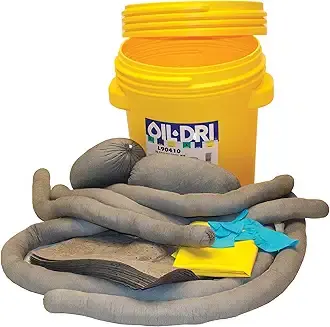
Key Benefits:
Enables immediate response to spills
Protects vehicles and job sites
Supports regulatory compliance and safety standards
Building an Efficient Equipment System
The most successful pest control contractors focus on integration rather than volume. Each tool should play a specific role within your workflow.
Recommended Approach:
Start with application tools (sprayers and dusters)
Add mixing and handling tools for efficiency
Ensure safety equipment is always included
Maintain and upgrade tools as your business grows
This approach ensures your operation remains scalable, organized, and cost-effective.
Common Equipment Mistakes to Avoid
Many contractors experience inefficiencies due to poor equipment decisions.
Avoid the following:
Over-purchasing tools that are rarely used
Using low-quality equipment that fails frequently
Neglecting safety and compliance tools
Failing to standardize equipment across teams
These mistakes can lead to increased costs, inconsistent results, and operational inefficiencies.
How the Right Equipment Improves Profitability
Investing in the right equipment directly impacts your bottom line.
Business Advantages Include:
Faster job completion times
Reduced chemical waste
More consistent service quality
Higher customer satisfaction
Over time, these benefits result in improved margins, stronger client retention, and a more scalable business model.
Why Insurance Is Essential for Pest Control Contractors
Even with the best equipment, pest control operations involve inherent risks.
Contractors may face:
Chemical handling incidents
Property damage claims
Equipment loss or damage
Employee-related risks
Without proper insurance coverage, these issues can significantly affect business stability.
Protect Your Business with Wexford Insurance
At Wexford Insurance, we specialize in supporting pest control contractors with tailored coverage solutions designed for real-world risk exposure.

We can help you secure:
General liability insurance
Workers’ compensation coverage
Commercial auto policies
Tools and equipment protection
Get a customized quote for your business today:
Call 317-942-0549 or visit https://www.wexfordins.com/
Final Thoughts
Building a successful pest control business does not require an extensive list of tools—it requires the right tools, used effectively.
By focusing on this streamlined pest control contractor equipment checklist, you can:
Improve efficiency and consistency
Maintain safety and compliance
Reduce operational costs
Position your business for long-term growth
A disciplined, professional equipment strategy remains one of the most important investments you can make in your pest control operation.


