
Best Safety Gloves for Rodent Control Jobs
Updated: Aug 28
Rodent control jobs expose technicians to a unique set of risks—bites, scratches, sharp materials, and pathogens carried by rodents and nesting debris. Wearing the right safety gloves for rodent control jobs is essential for protecting hands while maintaining dexterity and control during trapping, exclusion, monitoring, and cleanup.

Professional pest control companies rely on gloves designed for puncture resistance, grip, and hygiene, not standard household gloves. Below are the glove types contractors actually use when performing rodent control work.
Safety Gloves Rodent Control Professionals Use Most
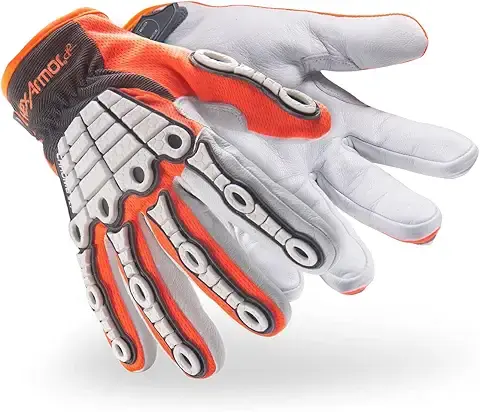
HexArmor gloves are widely known in pest control for their high puncture and bite resistance. They are commonly used when handling live traps or removing rodents.
Why professionals rely on them:
Superior bite and puncture protection
Designed for animal handling risk
Reduces hand injuries during trap service
Ironclad Ranchworx gloves are frequently used for exclusion and cleanup work where durability and abrasion resistance matter.
Why professionals rely on them:
Reinforced palms and fingers
Good grip on tools and materials
Suitable for rough handling tasks

These gloves are commonly used during exclusion work involving sheet metal, hardware cloth, and wire mesh.
Why professionals rely on them:
Protects against cuts and abrasions
Maintains flexibility
Improves grip in dusty conditions

Nitrile gloves are worn during inspections, bait station servicing, and sanitation tasks to prevent direct contact with rodent droppings and urine.
Why professionals rely on them:
Chemical and pathogen resistance
Easy disposal between jobs
Reduces cross‑contamination risk

Leather gloves are often used when installing door sweeps, flashing, and sheet metal barriers around foundations and vents.
Why professionals rely on them:
Excellent abrasion resistance
Durable for exterior work
Protects against sharp edges

Choosing the Right Gloves for Each Task
Most pest control professionals use multiple types of gloves depending on the task—bite‑resistant gloves for handling rodents, cut‑resistant gloves for exclusion work, and disposable gloves for sanitation and inspection. Rotating the right glove for the job improves safety, comfort, and efficiency.
Insurance Considerations for Rodent Control Work
Hand injuries, bites, and contamination exposure are common risks in rodent control. Proper PPE reduces incidents—but insurance protection is still critical.

Wexford Insurance specializes in contractor insurance nationwide, including:
General liability
Contractor equipment coverage
Commercial auto
Workers compensation
👉 Get a fast, no‑obligation insurance quote here: Wexford Insurance


