
Rodent Monitoring Equipment Pest Control Companies Use
Rodent control is most effective when activity is detected early. Before infestations grow or structural damage occurs, pest control companies rely on rodent monitoring equipment to track movement, feeding behavior, and population patterns. These tools help technicians make informed decisions about trapping, exclusion, and follow‑up service.

Unlike reactive trapping alone, professional rodent monitoring systems support proactive pest management, reduce repeat visits, and improve long‑term customer outcomes.
Rodent Monitoring Equipment Professionals Use Most
Protecta EVO stations are widely used for non‑toxic monitoring. They allow technicians to track rodent activity without immediately introducing lethal control.
Why professionals use it:
Durable, tamper‑resistant design
Supports non‑toxic monitoring blocks
Ideal for commercial and residential use

Non‑toxic blocks are placed inside monitoring stations to identify feeding activity. Bite marks provide clear evidence of rodent presence without using pesticides.
Why professionals use it:
Confirms activity levels
Safe for monitoring programs
Helps guide targeted control

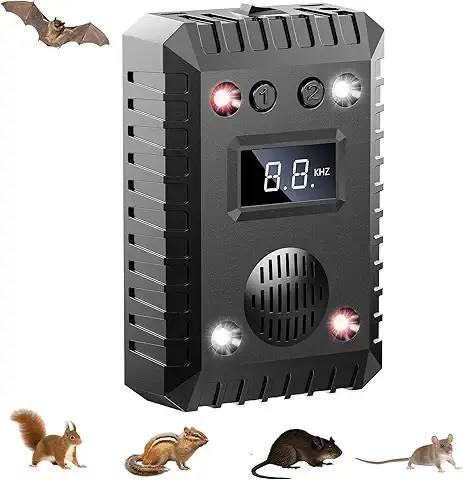
Electronic sensors detect movement and activity in walls, ceilings, and enclosed spaces. These tools are increasingly used in commercial and sensitive environments.
Why professionals use it:
Early detection in hidden areas
Supports data‑driven decisions
Reduces unnecessary trapping
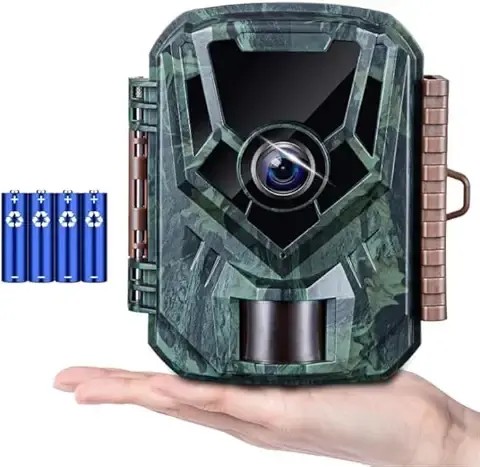
Trail cameras are used inside warehouses, crawlspaces, dumpsters, and exterior perimeters to observe rodent patterns and entry points.
Why professionals use it:
Identifies travel routes
Confirms species and behavior
Improves exclusion planning
Tracking dust is applied along rodent pathways and inspected with UV light to reveal movement and access points overnight.
Why professionals use it:
Reveals hidden runways
Confirms entry locations
Supports precision exclusion work

Why Monitoring Is Critical for Rodent Control Success
Monitoring allows pest control companies to act strategically rather than reactively. By understanding where rodents travel, feed, and enter structures, contractors can implement targeted exclusion and control measures—leading to fewer callbacks and more permanent solutions.
Insurance Considerations for Rodent Monitoring Work
Rodent monitoring often involves inspections in crawlspaces, ceilings, rooftops, and commercial facilities. Equipment failure, access damage, or injuries can result in claims if coverage is inadequate.

Wexford Insurance specializes in contractor insurance nationwide, including:
General liability
Contractor equipment coverage
Commercial auto
Workers compensation
👉 Get a fast, no‑obligation insurance quote here: Wexford Insurance


