
Best Safety Gear for Roofing Contractors (2026 Guide)
- Apr 14
- 2 min read
Roofing remains one of the highest‑risk trades in construction. Falls, slips, heat exposure, and tool‑related injuries are daily hazards on residential and commercial jobsites. For contractors, investing in proper safety gear isn’t just about compliance—it’s about protecting crews, avoiding downtime, and reducing liability.

This 2026 guide breaks down the best safety gear roofing contractors use daily, focusing on equipment that improves protection, comfort, and productivity on the roof.
A full‑body safety harness is the foundation of fall protection. Roofing contractors rely on adjustable, OSHA‑compliant harnesses designed for all‑day wear and freedom of movement.
Key features contractors look for:
Padded shoulder and leg straps
Durable D‑rings
Quick‑adjust hardware

Fall protection systems are only as strong as their connecting components. Lifelines and lanyards allow roofers to move safely while remaining tied off.
Common jobsite uses include:
Steep‑slope roofing
Tear‑offs and replacements
New construction

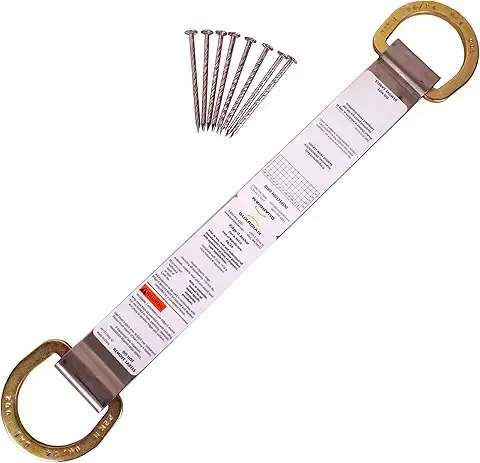
3. Roof Anchors
Roof anchors provide secure tie‑off points during installs, repairs, and inspections. Contractors typically choose reusable or permanent anchors depending on job type.
Best for:
Asphalt shingle roofs
Metal roofing systems
Residential and light commercial work
Footwear plays a major role in preventing slips and falls. Roofing boots with high‑traction soles help contractors maintain stability on steep or dusty surfaces.
Why contractors invest in quality boots:
Better grip on shingles and metal
Improved ankle support
Reduced fatigue

Head protection is essential when working below other crew members or around hoisting equipment. Ventilated hard hats help protect against impact without sacrificing comfort.
Popular features include:
Lightweight designs
Adjustable suspension systems
Heat‑venting options

Cuts, abrasions, and eye injuries are common on roofing jobs. Proper gloves and safety glasses reduce injury risk during tear‑offs, fastening, and cleanup.
Contractors use these for:
Shingle handling
Nail and fastener work
Debris cleanup

Why Safety Gear Matters for Roofing Businesses
Beyond protecting workers, safety gear helps contractors:
Reduce injury‑related downtime
Avoid OSHA penalties
Lower insurance claims
Protect long‑term business viability
Well‑equipped crews are safer, faster, and more professional.
Pair Safety Gear With the Right Insurance
Even with proper safety equipment, roofing risks can’t be eliminated entirely. Accidents, injuries, and property damage can still occur.
Wexford Insurance helps roofing contractors secure coverage such as:
General liability insurance
Workers’ compensation
Commercial auto coverage
Tools and equipment protection

👉 Get a roofing contractor insurance quote from Wexford Insurance.


