
Roofing Insurance: Why Roofers Pay More (and How to Pay Less)
Roofing insurance is one of the most expensive types of coverage in the construction world, and most contractors find that out the hard way. You start pricing policies and suddenly the numbers feel higher than expected for “just climbing a roof.”
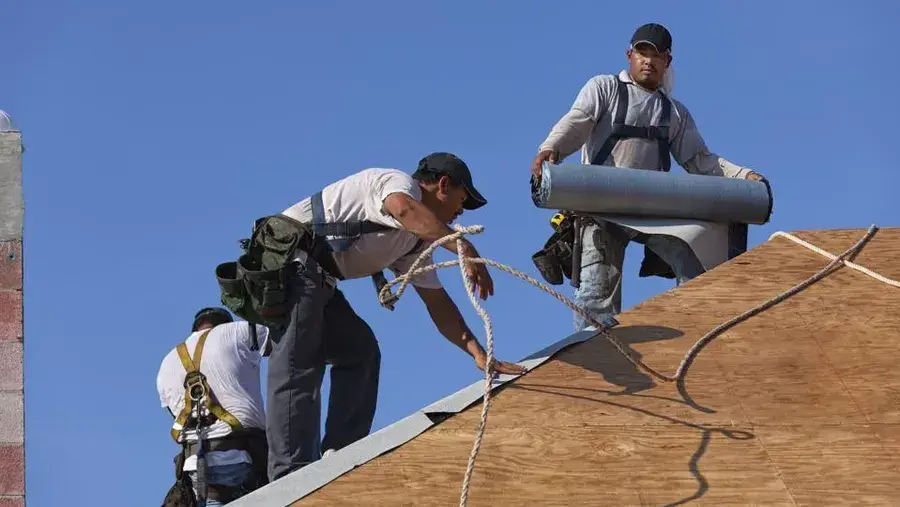
The truth is, roofing insurance costs more because the work itself carries higher risk. But that doesn’t mean you’re stuck overpaying forever. There are real, practical ways to control costs without cutting corners on protection.
Why Roofing Insurance Costs More Than Other Trades
Roofing contractors face a unique mix of hazards that insurers take seriously. When underwriters calculate roofing contractor insurance premiums, they’re looking at how often claims happen and how severe they can be.
Roof work involves height, weather exposure, heavy materials, and constant fall risk. Even a well-run crew can’t remove those risks entirely.
High risk of injury
Falls remain one of the most common causes of serious construction injuries. Roofing adds extra exposure because workers are often:
On steep or unstable surfaces
Working at significant heights
Handling tools while balancing
Operating in heat, wind, or rain
This directly impacts workers’ compensation insurance costs.
Expensive and frequent claims
Roofing claims tend to be costly when they happen. A single accident can involve medical bills, missed work, legal claims, or property damage.
Common claim types include:
Worker falls or is injured
Property damage during installation
Water damage from incomplete or exposed roofs
Equipment damage or theft
Weather and jobsite exposure
Roofing work is heavily affected by weather conditions. Sudden storms or high winds can increase risk, especially when projects are partially completed. This adds uncertainty for insurers when pricing general liability roofing insurance.
What Roofing Insurance Typically Covers
Roofing insurance is not a single policy. It’s usually a combination of coverages designed to protect your business from different risks.
General liability insurance typically covers third-party property damage or injury. For roofers, this may include situations like:
A dropped tool damaging a customer’s property
Water leaks caused during a job
A visitor getting injured at a job site
Workers’ comp helps cover medical expenses and lost wages if an employee is injured on the job. In roofing, this is especially important due to fall risk.
If you use trucks or vans to transport materials and crews, commercial auto insurance helps cover accidents, vehicle damage, and liability.
Despite the name, this has nothing to do with boats. It covers tools and equipment while they are being transported or used off-site.

Roofing Insurance: Why Roofers Pay More (Direct Answer)
Roofers pay more for insurance because the work involves higher injury risk, expensive claims, and frequent exposure to unpredictable jobsite conditions. Insurers set pricing based on how likely a business is to file a claim and how severe that claim could be.
In roofing, even a small mistake can lead to serious injury or major property damage.
Because of this, carriers often charge higher premiums for:
Workers’ compensation insurance
General liability roofing insurance
Commercial auto coverage for crews and equipment
Costs vary widely based on location, company size, safety history, and type of roofing work.
Residential steep-slope roofing often costs more to insure than lower-risk commercial flat roofing, but both are considered high-risk compared to many other trades.
Simply put: higher risk equals higher premiums. Insurance companies are not trying to be difficult—they’re trying to stay solvent.
Key Factors That Affect Roofing Insurance Costs
Not all roofing companies pay the same. Two contractors doing similar work can have very different insurance costs based on risk profile.
Safety record and claims history
A clean claims history can help reduce premiums over time. Frequent claims or serious incidents usually increase costs.
Type of roofing work
Different roofing jobs carry different levels of risk:
Steep-slope residential roofing: higher risk
Commercial flat roofing: generally lower risk
Specialty roofing (metal, solar integration): varies by complexity
Number of employees
More workers means more risk exposure, especially for workers’ compensation insurance.
Experience and training
Insurers often consider how experienced your crew is and whether you invest in safety training.
Helpful safety resources can be found through OSHA’s roofing safety guidance:https://www.osha.gov/roofing
Location and weather risk
Areas with extreme weather, high winds, or heavy rainfall can see higher premiums due to increased claim potential.
How Roofers Can Lower Insurance Costs
Even though roofing insurance is expensive by nature, there are proven ways to reduce what you pay without reducing protection.
Improve jobsite safety programs
Strong safety programs are one of the most effective ways to lower long-term insurance costs. This can include:
Regular safety training
Fall protection systems (harnesses, guardrails)
Equipment inspections
Written safety procedures
Insurers often reward consistent safety practices over time.
Reduce claims frequency
Fewer claims generally mean better pricing at renewal. Even small improvements matter, like:
Better jobsite cleanup to prevent injuries
Clear communication between crew members
Proper ladder and scaffold use
Bundle insurance policies
Many roofing companies bundle general liability, commercial auto, and other coverages under a single insurance program. This can sometimes simplify coverage and improve pricing consistency.
Choose the right coverage structure
Not all policies are built the same. Working with an experienced agent helps ensure you are not overpaying for unnecessary coverage—or underinsured in key areas.
Hire and train experienced workers
A skilled crew is less likely to make costly mistakes. Insurance companies notice that over time.
Review coverage annually
As your business grows or changes, your insurance should adjust too. Overpaying often happens when policies are not updated regularly.
Common Mistakes That Increase Roofing Insurance Costs
Some cost increases are avoidable but happen because contractors overlook simple issues.
Misclassifying employees
If workers are incorrectly classified in payroll or job duties, it can lead to higher premiums or audit problems.
Skipping safety documentation
Insurers prefer to see written safety policies. Without them, your business may be treated as a higher risk.
Not shopping properly
Staying with the same policy year after year without review can lead to missed savings opportunities.
Ignoring small claims patterns
Even minor repeated claims can add up and increase long-term costs.
For broader small business insurance education, the U.S. Small Business Administration offers helpful guidance:https://www.sba.gov/
Why Working With the Right Insurance Agent Matters
Roofing insurance is not a one-size-fits-all product. A knowledgeable commercial insurance agent can help match your business with carriers that understand construction risk.
At Wexford Insurance, the goal is not just to place a policy, but to help contractors understand what they’re paying for and why. The right structure can help balance protection and cost while keeping your business compliant and protected.
FAQ: Roofing Insurance Costs and Coverage
Why is roofing insurance more expensive than other trades?
Roofing involves higher injury risk, especially from falls, and can lead to more severe claims compared to many other construction trades.
What does roofing contractor insurance usually include?
It typically includes general liability insurance, workers’ compensation, commercial auto, and sometimes inland marine coverage for tools and equipment.
Can roofing companies reduce their insurance costs?
Yes. Safety programs, fewer claims, proper employee training, and working with an experienced agent can all help lower long-term costs.
Is workers’ compensation required for roofing businesses?
In most U.S. states, workers’ compensation is required if you have employees, especially in high-risk industries like roofing.
Do different types of roofing affect insurance pricing?
Yes. Steep-slope residential roofing is often considered higher risk than some commercial flat roofing, which can impact pricing.
Final Thoughts
Roofing insurance is expensive for a reason: the work is physically demanding, high-risk, and exposed to unpredictable conditions. But “expensive” doesn’t have to mean “out of control.”
With the right safety practices, proper coverage structure, and regular policy reviews, roofing contractors can often reduce costs while staying fully protected.
If you want help reviewing your roofing insurance or comparing options for your business, contact Wexford Insurance at 317-942-0549 or visit www.wexfordins.com can walk you through it and provide a free, no-pressure quote based on your operation.


