
Warehouse Legal Liability Insurance: What Warehouse Operators Need to Know
A warehouse operator has responsibility for more than the building, equipment, and employees. When customers leave their products in your facility, you also take on responsibility for goods that may be worth far more than your own business property.
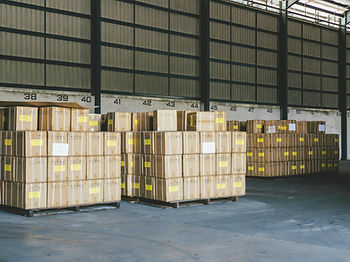
Warehouse legal liability insurance helps protect warehouse operators when customers' goods are damaged or lost while in their care and the business is legally responsible. Understanding how this coverage works, what it excludes, and what customers expect can help you build an insurance program that fits your operation. You can also explore specialized warehouse insurance solutions designed for businesses that store, handle, and distribute other companies' products.
What Is Warehouse Legal Liability Insurance?
Warehouse legal liability insurance protects warehouse operators against certain claims involving customers' property held in their care, custody, or control. It generally applies when goods are damaged, destroyed, or lost because of an event for which the warehouse operator is legally responsible.
For example, a warehouse stores electronic equipment for a retailer. A forklift operator accidentally damages several pallets while moving inventory. If the warehouse is legally liable for the damage, its warehouse legal liability policy may respond, subject to the policy's terms, limits, and exclusions.
This coverage is especially important for businesses that store products they do not own.
How Does Warehouse Legal Liability Differ From Commercial Property Insurance?
Commercial property insurance and warehouse legal liability insurance protect different interests.
Commercial property insurance generally covers property the business owns or has an insurable interest in, such as:
Warehouse buildings and structures
Shelving, racks, and storage systems
Forklifts and material-handling equipment
Office furniture and computers
Business-owned inventory
Warehouse legal liability addresses a different exposure: customers' goods stored inside the facility.
A standard commercial property policy should not be assumed to cover customer inventory simply because the products are inside an insured building. Warehouse operators should review their policies to identify how property belonging to others is treated.
Wexford's commercial property insurance coverage can help warehouse owners understand the protection available for their buildings and business property.
What Insurance Coverage Does a Warehouse Operator Need?
Warehouse legal liability is an important part of a warehouse insurance program, but it is not the only coverage to consider. Different policies address different exposures.
Warehouse Legal Liability Coverage
This is the primary coverage for customer goods held in storage.
Depending on the policy, it may address damage caused by fire, water damage, theft, accidental handling, or other covered events when the warehouse operator is legally responsible.
The amount of protection available depends on the policy limit, valuation provisions, deductibles, and exclusions.
Some policies use a legal liability standard, while others may offer broader bailee coverage. These forms are not interchangeable.
Commercial General Liability Insurance
General liability insurance typically addresses third-party bodily injury and property damage arising from business operations.
For a warehouse, examples include:
A customer slipping on a wet loading dock.
A visitor being injured inside the facility.
Warehouse operations accidentally damaging a customer's building.
However, general liability policies commonly contain care, custody, or control exclusions that restrict coverage for property being handled or stored by the insured.
Commercial Property Insurance
Commercial property coverage protects the warehouse's physical assets.
Depending on the policy, covered property may include the building, equipment, inventory, and other business property. Business interruption coverage may also help replace lost income after a covered property loss, subject to the policy's terms.
Workers' Compensation Insurance
Warehouse employees regularly handle heavy products, operate forklifts, move pallets, and work around loading equipment.
Workers' compensation insurance addresses eligible work-related employee injuries and illnesses. State requirements vary, so operators should check their state's workers' compensation rules.
Commercial Auto and Inland Marine Coverage
Warehouses operating delivery vehicles or transporting goods between locations may need commercial auto insurance.
Inland marine coverage may also be relevant when equipment, tools, or certain property move between locations. For distributors that own the inventory they store and transport, stock throughput or other cargo-related coverage may be worth reviewing.

Who Needs Warehouse Legal Liability Insurance?
Any business that accepts responsibility for storing or handling property belonging to another company should evaluate this coverage.
Common examples include:
Public warehouses storing products for multiple customers.
Third-party logistics (3PL) providers managing storage and fulfillment.
Contract warehouses handling inventory for specific businesses.
Cold storage facilities holding food and temperature-sensitive products.
Distribution centers receiving, storing, and shipping customer goods.
E-commerce fulfillment operations storing merchandise for online sellers.
The coverage also becomes important when warehouse customers require proof of insurance before signing a storage or fulfillment agreement.
When Do Customers and Lenders Require Coverage?
Customers often want evidence that a warehouse can respond financially if their inventory is damaged while stored at the facility.
A storage agreement may specify:
Required warehouse legal liability limits.
Coverage for particular types of goods.
Insurance certificates and renewal requirements.
Responsibility for damage during loading and unloading.
Limits on the warehouse's legal responsibility.
Additional insured requirements, where applicable.
Not every contract uses the same language. Some customers may request broader protection than the warehouse's existing policy provides.
Lenders and commercial landlords may also require general liability, property insurance, or specific liability limits as part of financing or lease agreements.
Warehouse operators should compare these requirements against their actual policies rather than assuming that having an insurance certificate satisfies every contract.
What About E-Commerce Warehouses?
E-commerce fulfillment creates an important distinction between customer-owned inventory and inventory owned by the warehouse operator.
A fulfillment company storing products for online sellers may need warehouse legal liability coverage because it holds goods belonging to other businesses.
However, an online retailer storing its own merchandise has a different exposure. Its inventory is business-owned property, not customer property held in its care.
For a closer look at that separate situation, see Warehouse Insurance for E-Commerce Sellers Storing Their Own Inventory. This article would fit naturally here as an internal link because it explains insurance considerations for businesses protecting their own stored products rather than goods belonging to warehouse customers.
For businesses with both storage and distribution operations, Warehouse Insurance offers specialized guidance on evaluating these different exposures.
What Does Warehouse Legal Liability Insurance Not Cover?
Understanding exclusions is just as important as understanding what a policy covers.
Warehouse legal liability does not automatically protect against every loss involving customer inventory.
Common limitations may include:
Employee dishonesty: Theft involving employees may require separate crime or employee dishonesty coverage.
Unexplained inventory shortages: Missing products without evidence of a covered event may not qualify for coverage.
Inadequate packaging: Damage caused by poor packaging may be excluded or restricted.
Inherent vice: Some products naturally deteriorate or change because of their own characteristics.
Temperature changes: Cold storage losses may require specific coverage provisions for refrigeration breakdown or temperature variation.
Flood and other excluded events: Certain natural disasters or water-related losses may require separate coverage or endorsements.
Contractual liability: Accepting responsibility beyond what the law would otherwise impose may create coverage questions.
Another important issue is the difference between legal liability and broader all-risk bailee coverage.
A legal liability policy generally responds when the warehouse operator is legally responsible for the loss. A broader bailee form may cover a wider range of direct physical losses to customer goods, subject to its own exclusions and conditions.
Neither form should be assumed to cover every possible situation.
Warehouse operators should also review their warehouse receipts, storage agreements, and liability limitations with qualified legal counsel.
What Affects the Cost of Warehouse Legal Liability Insurance?
There is no standard price for warehouse legal liability insurance. Underwriters evaluate the warehouse's operations, the value of the goods it stores, and its overall risk management practices.
Several factors can influence the cost.
Value and Type of Stored Goods
A warehouse holding electronics, machinery, food products, or other high-value inventory may present different risks from one storing ordinary packaged merchandise.
Underwriters consider the maximum value of customer goods that could be exposed to one event, not just the average inventory value.
Warehouse Size and Operations
The size of the facility, storage capacity, number of locations, and daily handling activity can affect underwriting.
A warehouse that only stores sealed pallets may have a different risk profile from a fulfillment center that receives, repackages, sorts, and ships products.
Building Protection and Safety Measures
Fire protection systems, sprinklers, alarms, security cameras, access controls, and building maintenance can influence underwriting decisions.
Proper storage practices also matter. OSHA provides guidance on safe material handling, rack inspections, forklift operations, and warehouse safety through its Warehousing Safety and Health Resources.
Claims History and Contract Requirements
Previous losses, the types of customers served, contractual liability provisions, and requested insurance limits can all affect pricing.
Businesses accepting responsibility for high-value customer inventory or agreeing to broader liability terms may face different underwriting requirements.
How to Get a Warehouse Legal Liability Insurance Quote
Getting an accurate quote starts with providing a clear picture of how your warehouse operates.
Before approaching an insurance professional, prepare the following information:
Business operations: Explain whether you operate a public warehouse, contract warehouse, 3PL facility, cold storage business, or fulfillment center.
Stored goods: Identify the products you handle and whether they belong to your business or your customers.
Inventory values: Provide average and maximum customer inventory values at each location.
Facility information: Include building details, construction, fire protection, security systems, and storage capacity.
Handling procedures: Explain how products are received, inspected, stored, moved, and shipped.
Existing insurance: Provide current policies, limits, deductibles, and relevant endorsements.
Customer contracts: Share insurance requirements, warehouse receipts, and contractual liability provisions.
An insurance professional can use this information to evaluate coverage options, identify potential gaps, and determine which markets may consider the operation.
Requirements vary by state, and businesses should consult their state's official insurance department for applicable insurance guidance. OSHA requirements also apply to workplace safety, depending on the operation.
Frequently Asked Questions
Is warehouse legal liability insurance required by law?
There is no single nationwide requirement that applies to every warehouse operator. However, customers, lenders, landlords, and contractual agreements may require it. State-specific rules and contractual obligations should be reviewed before deciding what coverage is needed.
Does general liability insurance cover customer inventory?
Generally, standard general liability insurance is not designed to replace warehouse legal liability coverage. Care, custody, or control exclusions may restrict protection for goods stored or handled by the warehouse.
Does warehouse legal liability cover fire damage?
It may cover fire damage to customer goods when the warehouse operator is legally responsible and the loss falls within the policy's coverage terms. The cause of the fire, policy wording, exclusions, and applicable limits all matter.
What is the difference between warehouse legal liability and bailee coverage?
Warehouse legal liability generally responds when the warehouse operator is legally liable for damage to customer property. Broader bailee coverage may insure customer goods against covered physical losses even when the warehouse is not legally responsible. The actual policy wording determines the protection available.
Can a warehouse insure goods owned by its customers?
Yes. Warehouse legal liability and other bailee coverage forms are designed to address certain exposures involving property belonging to customers. The appropriate policy depends on the warehouse's responsibilities, stored goods, and contractual agreements.
Get the Right Coverage for Your Warehouse Operations
Protecting a warehouse means looking beyond the building and equipment. When you store products belonging to customers, your insurance program should address the responsibility that comes with holding those goods.
Warehouse legal liability, general liability, commercial property, workers' compensation, and other policies each serve different purposes. Reviewing them together can help identify gaps before a customer contract or unexpected loss puts your business under pressure.
If you operate a public warehouse, 3PL facility, fulfillment center, or distribution operation, explore warehouse operator insurance through Warehouse Guard to discuss your operation, customer inventory values, and coverage requirements.
Coverage is subject to underwriting, policy wording, limits, conditions, and exclusions.

