
Warehouse Commercial Auto Insurance: Delivery Vehicles, Yard Trucks, and Drivers
If your warehouse operation owns trucks, vans, forklifts that travel on public roads, or employs drivers making deliveries, commercial auto insurance is often one of the most important coverages in your insurance program. Many warehouse owners focus on their building, inventory, and equipment but overlook the vehicles that keep products moving every day.
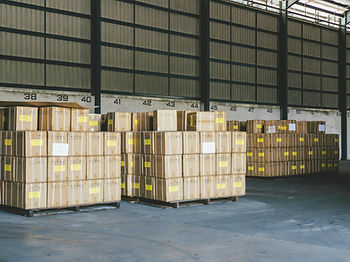
The reality is simple: one accident involving a warehouse vehicle can create liability exposures that may affect your business, contracts, and operations. Understanding warehouse commercial auto insurance helps you buy the right protection before a problem occurs.
For many warehouse operators, commercial auto insurance typically helps cover liability arising from business vehicle use, damage to covered vehicles, and certain driver-related risks depending on policy terms. Coverage needs vary based on vehicle types, driver records, operating radius, and contract requirements. Businesses that own delivery vehicles, yard trucks, or other road-operated equipment should review their exposure carefully and work with an experienced insurance advisor.
Businesses exploring broader warehouse insurance solutions should evaluate commercial auto coverage alongside property, liability, and inventory-related protections to avoid gaps in their insurance program.
Why Warehouse Operations Need Commercial Auto Insurance
Warehouses depend on transportation. Even facilities that primarily store products often have vehicles moving inventory between locations, delivering customer orders, transporting equipment, or supporting daily operations.
Common vehicles that may require commercial auto coverage include:
Delivery vans
Box trucks
Straight trucks
Pickup trucks
Yard trucks
Company cars
Cargo vans
Trailers
Service vehicles
Personal auto insurance is generally not designed for business-use exposures. If a vehicle is owned by the business or used regularly for business purposes, commercial auto coverage is often necessary.
Warehouse operators may also face contractual requirements from customers, landlords, lenders, or supply chain partners that require proof of commercial auto insurance before work begins.
What Warehouse Commercial Auto Insurance Typically Covers
Liability Coverage
Liability coverage is often the foundation of a commercial auto policy.
It may help protect the business when a covered vehicle causes bodily injury or property damage to others. This can include legal defense costs and damage claims, subject to policy terms and limits.
For warehouse companies making deliveries or transporting inventory, liability coverage is frequently the most important portion of the policy because accidents can involve significant third-party exposures.
Physical Damage Coverage
Physical damage coverage generally includes:
Collision coverage
Comprehensive coverage
Collision coverage may apply when a covered vehicle is damaged in an accident.
Comprehensive coverage may apply to losses such as:
Theft
Vandalism
Fire
Certain weather events
Falling objects
Businesses financing vehicles are often required by lenders to carry physical damage coverage.
Uninsured and Underinsured Motorist Coverage
Some policies include or offer coverage that may respond when another driver causes an accident but lacks sufficient insurance.
Requirements and availability vary by state.
Medical Payments or Personal Injury Protection
Depending on the state and policy structure, coverage may be available for certain medical expenses involving vehicle occupants.
State requirements vary significantly, so businesses should review regulations through their state's official insurance department.
Special Considerations for Delivery Vehicles and Yard Trucks
Warehouse risks often differ from those of a standard contractor or retail business.
Delivery vehicles may operate:
In congested urban areas
At loading docks
In industrial parks
Across state lines
On tight delivery schedules
These factors can increase underwriting scrutiny.
Yard trucks present a unique challenge. Some operate exclusively on private property, while others may occasionally travel on public roads. The way the vehicle is used often affects coverage requirements and policy design.
Warehouse owners should ensure their insurance agent understands:
Vehicle classifications
Operating radius
Driver responsibilities
Cargo activities
Loading and unloading procedures
Interstate operations, if applicable
The Federal Motor Carrier Safety Administration (FMCSA) establishes various regulations affecting commercial vehicle operations and driver requirements.
How Commercial Auto Fits Into a Larger Warehouse Insurance Program
Commercial auto insurance is only one piece of the risk management picture.
For example, a warehouse could suffer a vehicle accident one month and an operational shutdown the next. That is why many operators also evaluate protections such as Warehouse Business Interruption Insurance: Covering Income After a Shutdown, which discusses how insurance may respond when operations are disrupted by a covered event.
Likewise, facilities storing temperature-sensitive products often have additional exposures beyond vehicle use. Businesses handling food products, pharmaceuticals, or refrigerated inventory may also benefit from understanding Cold Storage and Refrigerated Warehouse Insurance: Spoilage and Equipment Breakdown Coverage, especially when inventory protection is a major concern.
Many warehouse owners seeking comprehensive protection explore specialized warehouse operator insurance programs that combine commercial auto considerations with property, liability, inventory, and operational risks.
What Commercial Auto Insurance Usually Does Not Cover
Every policy has exclusions and limitations.
While specific wording varies, warehouse owners are often surprised to learn that commercial auto policies may not automatically cover every exposure connected with transportation operations.
Examples of situations that may require separate coverage or careful policy review include:
Employee-Owned Vehicles
If employees use their personal vehicles for business purposes, separate non-owned auto considerations may apply.
Cargo and Inventory
Commercial auto insurance generally focuses on vehicle-related exposures.
Inventory being transported may require separate cargo-related coverage depending on operations.
Mechanical Breakdown
Routine wear and tear and mechanical failure are typically not covered.
Intentional Damage
Intentional acts are usually excluded.
Certain Driver Issues
Coverage may be affected if drivers fail to meet underwriting requirements or if material information was not disclosed during the application process.
Always review the actual policy language. Insurance policies contain definitions, exclusions, conditions, and limitations that determine how coverage applies.

What Factors Affect the Cost of Warehouse Commercial Auto Insurance?
Insurance pricing depends on numerous underwriting variables.
Factors commonly reviewed include:
Vehicle Types
Larger trucks generally present different exposures than passenger vehicles or small vans.
Driver Records
Underwriters often review driving history, licensing status, accidents, and violations.
Vehicle Usage
How vehicles are used matters significantly.
Questions typically include:
Local or long-distance operations?
Interstate driving?
Regular deliveries?
Customer site visits?
Radius of Operation
A vehicle operating within a limited geographic area presents a different exposure than one traveling across multiple states.
Claims History
Previous losses and insurance history often influence underwriting decisions.
Fleet Size
Businesses with multiple vehicles often require different rating considerations than companies with a single vehicle.
Safety Programs
Formal driver training programs, maintenance procedures, and safety protocols may improve overall risk quality from an underwriting perspective.
The Occupational Safety and Health Administration (OSHA) provides workplace safety guidance that many warehouse operators use when developing safety programs.
How to Get a Warehouse Commercial Auto Insurance Quote
Obtaining a quote is generally easier when accurate information is available upfront.
Most insurance applications request:
Business information
Vehicle schedules
Vehicle identification numbers (VINs)
Driver lists
Driver license information
Loss history
Operating radius details
Description of operations
Providing complete information helps underwriters evaluate the risk more accurately and may reduce delays during the quoting process.
Businesses should also discuss future growth plans. Adding vehicles, expanding delivery territories, or entering new markets can influence insurance needs.
Frequently Asked Questions
Is commercial auto insurance required for warehouse businesses?
Requirements vary by state and operation type. Businesses that own vehicles used for company purposes typically need commercial auto coverage. Certain contracts, lenders, and customers may also require proof of insurance.
Are yard trucks covered under commercial auto insurance?
They may be, depending on how they are used and how the policy is structured. Businesses should clearly disclose yard truck operations during the application process.
Does commercial auto insurance cover employee drivers?
Policies generally contemplate covered drivers, but eligibility and coverage details depend on underwriting requirements and policy language.
Does commercial auto insurance cover inventory being transported?
Not necessarily. Vehicle insurance and cargo-related insurance serve different purposes. Coverage depends on the specific policy structure.
Can leased or financed vehicles be insured?
Yes, although lenders and leasing companies often impose insurance requirements that must be satisfied.
Protect Your Warehouse Vehicles and Operations
Warehouse businesses face unique transportation risks every day. Delivery vehicles, yard trucks, and employee drivers can create significant liability exposure that deserves careful attention. The right commercial auto insurance program should be coordinated with the rest of your warehouse insurance strategy to help address operational risks comprehensively.
If you're evaluating coverage for warehouse vehicles, deliveries, drivers, and broader logistics exposures, explore specialized warehouse legal liability coverage options through Warehouse Guard. Their focus on warehouse-related risks can help operators better understand available insurance solutions and coverage considerations before making a buying decision.


