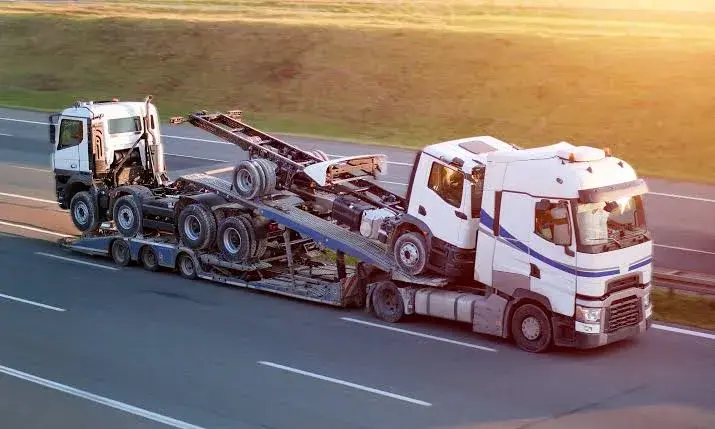
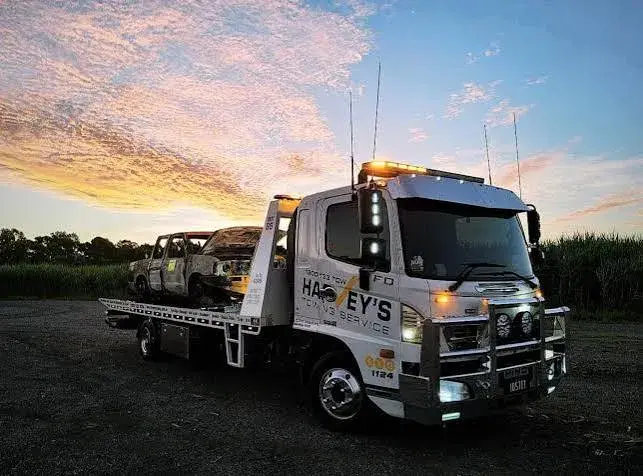
Tow Truck Insurance in North Carolina: A Complete Guide
Running a towing business in North Carolina comes with unique risks. Whether you're providing roadside assistance, recovering disabled vehicles, or transporting cars after accidents, your trucks, drivers, and business face exposures that standard commercial auto insurance may not address.

That's why understanding tow truck insurance in North Carolina is so important. Business owners often want to know what coverage they need, how much insurance may cost, and what factors influence premiums. This guide explains the essentials so you can make informed decisions for your towing operation.
What Is Tow Truck Insurance?
Tow truck insurance is a specialized form of commercial insurance designed for towing and recovery businesses. Because tow trucks transport other people's vehicles and often operate in high-risk situations, they typically require broader coverage than many other commercial vehicles.
A tow truck insurance program may include:
Commercial auto liability insurance
Physical damage coverage
On-hook towing insurance
Garagekeepers insurance
General liability insurance
Workers' compensation insurance
Umbrella liability insurance
Inland marine coverage for equipment
The exact coverage needed depends on your services, number of trucks, employees, operating radius, and contractual requirements.
What Does Tow Truck Insurance Typically Include?
For business owners looking for a quick answer, tow truck insurance generally includes several key protections.
Most towing companies carry:
Commercial auto liability insurance
Physical damage coverage for tow trucks
On-hook coverage for customer vehicles being towed
Garagekeepers coverage for vehicles stored at a lot or facility
General liability insurance
Workers' compensation insurance when employees are involved
Umbrella liability coverage for additional protection
Coverage needs vary by business, and requirements can change over time. Tow truck operators should verify current regulations with state authorities and consult a licensed insurance professional regarding their specific situation.
Commercial Auto Liability Insurance
Commercial auto liability insurance is usually the foundation of a tow truck insurance policy.
This coverage may help pay for:
Bodily injury claims
Property damage claims
Legal defense costs related to covered claims
Because tow trucks frequently operate on busy roads, highways, and accident scenes, liability protection is especially important.
North Carolina towing operators should review current commercial vehicle regulations through the North Carolina Division of Motor Vehicles:
Physical Damage Coverage
Physical damage insurance helps protect the tow truck itself.
This coverage generally has two components.
Collision Coverage
Collision coverage may help pay for repairs if your tow truck is damaged in an accident, regardless of fault, subject to policy terms and deductibles.
Comprehensive Coverage
Comprehensive coverage may help cover losses caused by:
Theft
Fire
Vandalism
Falling objects
Certain weather-related events
Coverage varies according to the policy purchased.
On-Hook Towing Insurance
One of the most important coverages for towing companies is on-hook insurance.
When a customer's vehicle is attached to your tow truck, your business may be responsible for that vehicle.
On-hook coverage may help protect against damage to a customer's vehicle while it is being transported by your tow truck.
This coverage is often considered essential for:
Roadside assistance providers
Recovery services
Vehicle transport businesses
Emergency towing operations
Coverage limitations and exclusions vary by policy.
Garagekeepers Insurance
Many towing companies store customer vehicles temporarily.
Garagekeepers insurance may help protect vehicles in your care, custody, or control while they are being stored at your facility.
This coverage may apply in situations involving:
Fire
Theft
Vandalism
Certain forms of accidental damage
Not all causes of loss are covered, so policy details should be reviewed carefully.
General liability insurance helps protect against certain risks that occur outside the operation of your tow trucks.
Examples may include:
Customer slip-and-fall accidents
Property damage at a business location
Certain advertising injury claims
Many municipalities, property managers, and commercial clients require proof of general liability insurance before entering into contracts.
Towing can be physically demanding work.
Employees may face risks involving:
Vehicle recovery operations
Loading and unloading vehicles
Working alongside traffic
Equipment handling
Workers' compensation insurance may help cover medical expenses and lost wages for covered workplace injuries, depending on state requirements and policy terms.
North Carolina business owners should confirm current workers' compensation requirements through state resources and licensed professionals.
Umbrella Liability Insurance
Tow truck accidents can sometimes result in significant claims.
Umbrella liability insurance provides an additional layer of protection above certain underlying liability policies.
Many towing businesses consider umbrella coverage when they:
Operate multiple trucks
Handle heavy-duty towing
Work under municipal contracts
Store large numbers of vehicles

How Much Does Tow Truck Insurance Cost in North Carolina?
One of the most common questions towing business owners ask is about insurance costs.
Estimated costs only: Actual premiums vary widely based on your operation, claims history, drivers, vehicle values, coverage limits, location, and insurance company.
As a general illustration, many towing businesses may see annual premiums in ranges such as:
Single-truck owner-operator: $6,000 to $15,000+ per year
Multi-truck towing operations: $15,000 to $75,000+ per year
General liability insurance: $500 to $5,000+ per year
Garagekeepers insurance: $1,000 to $10,000+ per year
On-hook towing coverage: $500 to $5,000+ per year
Umbrella liability coverage: $1,000+ annually, depending on limits and risk profile
These figures are broad estimates for educational purposes only and should not be considered quotes. Actual costs can vary significantly from one business to another.
Factors That Affect Tow Truck Insurance Premiums
Several factors influence insurance costs for North Carolina towing companies.
Driver Records
Insurance providers typically review driving histories carefully.
Important factors include:
Traffic violations
At-fault accidents
CDL experience
License suspensions
Drivers with cleaner records often present lower insurance risk.
Type of Towing Services
The type of work you perform affects your risk profile.
Examples include:
Light-duty towing
Medium-duty towing
Heavy-duty towing
Accident recovery
Roadside assistance
Heavy-duty and recovery operations may involve greater risks.
Number of Trucks
The size of your fleet affects both exposure and insurance costs.
Businesses with multiple vehicles generally face more potential claims than single-truck operators.
Vehicle Value
Newer or more specialized tow trucks often cost more to repair or replace.
Insurers typically consider:
Vehicle age
Truck value
Specialized equipment
Repair expenses
Claims History
Previous claims are often a major rating factor.
Insurance companies may review:
Claim frequency
Loss severity
Recent incidents
A strong safety program can help reduce future losses.
Service Area
The territory in which you operate can also impact premiums.
Businesses serving large cities may face different risks than those operating in rural areas due to traffic congestion and accident frequency.
Unique Risks for Tow Truck Operators in North Carolina
North Carolina towing businesses encounter several state-specific challenges.
Severe Weather
Operators may face:
Hurricanes
Tropical storms
Heavy rainfall
Flooding
Wind damage
These weather events can increase accident risks and affect business operations.
For emergency preparedness information, operators can visit FEMA:
Highway Traffic
Major corridors such as I-40, I-85, and I-95 carry heavy commercial and passenger traffic.
Tow truck operators frequently work in dangerous roadside environments where visibility and traffic control are critical.
Vehicle Storage Liability
Many towing businesses store vehicles after accidents, breakdowns, or impoundments.
Storing customer vehicles creates additional liability exposures that should be evaluated carefully when selecting insurance.
Tips for Lowering Tow Truck Insurance Costs
While every towing business faces risk, there are several ways to potentially improve your insurance profile.
Hire Experienced Drivers
Consider:
Reviewing motor vehicle records
Verifying work history
Conducting driver screening
Quality drivers often contribute to lower losses.
Implement Safety Programs
Safety programs can help reduce accidents and improve operational consistency.
Topics may include:
Roadside safety procedures
Vehicle loading practices
Defensive driving training
Equipment inspections
Maintain Equipment
Routine maintenance helps keep trucks operating safely and efficiently.
Important maintenance areas include:
Brakes
Tires
Hydraulic systems
Lighting equipment
Review Coverage Annually
Business needs change over time.
Annual policy reviews can help account for:
New trucks
Additional drivers
Expanded service areas
New contracts
Frequently Asked Questions
Is tow truck insurance required in North Carolina?
Most towing businesses are required to carry certain forms of commercial insurance. Requirements can vary based on operations, vehicle classifications, and local regulations, so operators should verify current requirements with state agencies and licensed insurance professionals.
What is on-hook insurance?
On-hook insurance may help cover damage to a customer's vehicle while it is attached to your tow truck during transport, subject to policy terms and limitations.
What is garagekeepers insurance?
Garagekeepers insurance may help protect customer vehicles stored at your facility for covered causes of loss, depending on policy details.
How much does tow truck insurance cost in North Carolina?
Costs vary widely, but many operators pay anywhere from several thousand dollars annually for a single truck to substantially more for larger fleets and specialized towing operations.
What factors affect tow truck insurance premiums?
Common factors include driver records, claims history, fleet size, vehicle value, service area, towing operations, and coverage limits.
Protect Your North Carolina Towing Business
Tow truck insurance is one of the most important investments a towing company can make. The right combination of coverage can help protect your trucks, equipment,
customer vehicles, employees, and business assets from unexpected losses.
Because every towing operation is unique, it's important to review your needs with a licensed insurance professional. Wexford Insurance can help you evaluate your options and identify coverage solutions that fit your business.
Get a Free Tow Truck Insurance Quote
If you're looking for tow truck insurance in North Carolina, Wexford Insurance can help you explore coverage options tailored to your operation.
Call 317-942-0549 or visit https://www.wexfordins.com/ to request your free quote today.