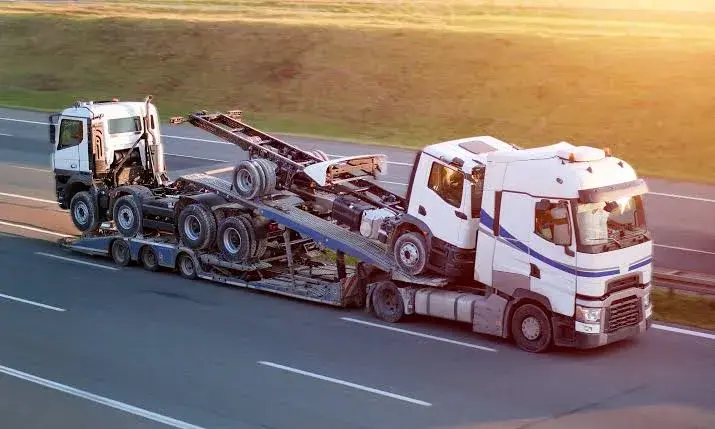
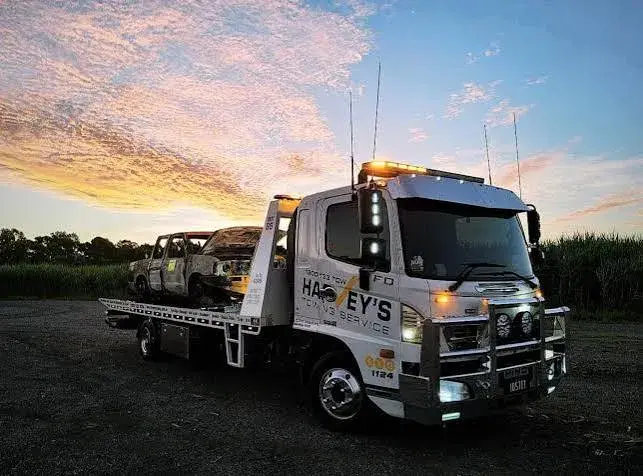
Is the Towing Business Profitable? Revenue, Costs, and Margins
Starting a towing company sounds simple from the outside: buy a truck, answer calls, get paid. But anyone who has actually run a tow truck knows it’s more like juggling late-night calls, unpredictable demand, and tight margins. And yes, the big question comes up fast: is the towing business profitable?

The short answer is yes, it can be profitable, but only if costs are controlled, jobs stay steady, and insurance and equipment are properly managed. In this guide, we break down towing business profitability, revenue drivers, expenses, and real-world margins so you can understand what actually determines success.
What Determines If a Towing Business Is Profitable?
Profit in the towing industry doesn’t come from a single big factor. It’s a mix of volume, pricing, efficiency, and cost control.
Here are the main drivers:
Call volume: More calls usually means more revenue, but only if you can handle them efficiently
Service mix: Roadside assistance, long-distance towing, and impound work all pay differently
Operating costs: Fuel, insurance, truck maintenance, and labor can eat profits quickly
Response time: Faster service often leads to more repeat contracts (especially with police or municipalities)
Location: Urban areas often bring higher demand but also higher competition
If any of these are off balance, profitability drops fast. This is one of those businesses where “busy” does not always mean “profitable.”
How Much Money Do Towing Companies Make?
Let’s directly address the question people are actually asking when they search how much do towing companies make.
Revenue varies widely depending on size and contracts, but most small towing operations earn income from:
Hook-up fees (base charge per tow)
Per-mile charges
Storage fees (for impounded vehicles)
Roadside services (jump starts, lockouts, tire changes)
Contract work (police rotations, motor clubs, fleet accounts)
A single tow might generate anywhere from modest local service income to higher long-distance revenue, depending on distance and complexity. But the key is consistency—steady calls matter more than occasional big jobs.
A one-truck operator might stay busy but still struggle if downtime is high or expenses aren’t controlled. Larger fleets tend to stabilize revenue through contracts and volume.
For context on small business income patterns, the U.S. Small Business Administration offers helpful baseline insights on business planning and revenue expectations: https://www.sba.gov/business-guide
Is the Towing Business Profitable in Real Terms?
So here’s the clean answer: the towing business can be profitable, but margins are often tighter than people expect.
Many operators see profitability only after accounting for:
Fuel costs (which fluctuate constantly)
Truck maintenance and repairs (frequent in towing operations)
Insurance requirements
Labor costs (dispatchers, drivers, or on-call staff)
Licensing and local compliance fees
Typical Profit Picture (General Industry View)
Instead of fixed numbers, it helps to think in patterns:
Small operators: Profit depends heavily on call volume and owner-operator labor
Mid-sized fleets: Better stability due to contracts and multiple trucks
Larger operations: Higher overhead but more predictable revenue streams
The real takeaway: profitability improves when revenue is diversified and downtime is minimized.
Key Towing Business Expenses That Impact Profit
If towing revenue is the engine, expenses are the weight you’re pulling uphill. And sometimes it feels like a very steep hill.
Truck and Equipment Costs
Tow trucks are not cheap, and they don’t age gracefully. Costs typically include:
Purchase or lease payments
Hydraulic system maintenance
Tire replacements (more frequent than most industries)
Winches, chains, and recovery gear
Fuel and Maintenance
Fuel costs fluctuate, and towing trucks are not known for efficiency. Add in constant stop-and-go driving, and maintenance becomes a major line item.
Labor Costs
Whether you hire drivers or operate yourself, labor is a core expense. Some businesses also need dispatch support or 24/7 coverage.
Insurance Costs
This is where many new operators get surprised. Tow truck insurance cost depends on:
Driving history
Number of trucks
Coverage types selected
Location and risk exposure
Coverage typically may include liability, physical damage, on-hook coverage, and garage keepers protection, depending on the policy.
Insurance is not just a formality here—it is a core operational requirement. Without it, contracts and permits often don’t even happen.

Revenue Streams That Improve Towing Business Profitability
If you rely only on basic tow jobs, your income can be unpredictable. Strong operators build multiple income streams.
Roadside Assistance Services
These include:
Battery jump starts
Tire changes
Lockout services
These jobs are usually quicker and can increase daily cash flow.
Contract Work
One of the most stable income sources. This may include:
Police rotation towing
Municipality contracts
Private property impounds
Fleet servicing agreements
These contracts can help stabilize income during slow seasons.
Storage Fees
If your yard allows vehicle storage, this can create recurring revenue. However, it also comes with regulatory requirements and security needs.
What Are Typical Margins in the Towing Industry?
Margins vary widely, but here’s the general reality:
High operating costs reduce flexibility
Fuel and maintenance can swing monthly profit
Insurance and compliance are fixed overhead pressures
Some months may look strong, while others feel like you’re just covering costs. This is why towing service revenue stability matters more than short-term spikes.
Businesses that tend to perform better usually:
Optimize routes to reduce fuel waste
Maintain trucks proactively instead of reactively
Build recurring contract relationships
Control insurance and liability exposure carefully
Insurance Risks That Directly Affect Profitability
This is where Wexford Insurance comes in, because towing is not a “low-risk hobby with trucks.”
Common risks include:
Damage to customer vehicles during loading or transport
Accidents during roadside recovery
Equipment failure
Theft or vandalism of stored vehicles
Employee injuries during recovery operations
Without proper coverage, one incident can wipe out months of profit.
Key protections often include:
On-hook coverage (for vehicles being towed)
Garagekeepers coverage (for stored vehicles)
The goal is not to eliminate risk—that’s impossible—but to prevent one bad day from shutting down your business.
How to Improve Profitability in a Towing Business
If you’re trying to build a stronger operation, focus on control, not just growth.
Here are practical steps:
Reduce empty miles by optimizing dispatch routes
Track fuel usage and maintenance schedules
Diversify services beyond standard towing
Negotiate contract work for consistent income
Review insurance annually to match actual operations
Train drivers to reduce accident and damage risk
Small efficiency improvements often matter more than adding another truck too early.
External Resources for Business Owners
If you’re planning or scaling a towing company, these resources are helpful:
U.S. Bureau of Labor Statistics (industry trends and occupational data):https://www.bls.gov
U.S. Small Business Administration (startup and management guidance):https://www.sba.gov
FAQS – Towing Business Profitability
Is the towing business profitable for beginners?
Yes, but beginners often face higher learning curves and inconsistent cash flow. Profitability improves with experience, contracts, and efficient operations.
What is the biggest cost in a towing business?
Fuel, truck maintenance, and insurance are usually the largest ongoing expenses.
How do towing companies make steady income?
Most stability comes from contracts with municipalities, motor clubs, or fleet accounts rather than random individual calls.
Is tow truck insurance expensive?
Costs vary widely based on risk factors, but it is typically one of the most important and necessary expenses for operating legally and safely.
What makes a towing business fail?
Common reasons include poor cost control, lack of contracts, high accident rates, and insufficient insurance coverage.
Final Thoughts
So, is the towing business profitable? It can be, but it is not a “set it and forget it” industry. Success depends on balancing revenue with strict control of costs, especially insurance, fuel, and maintenance.
Operators who treat it like a structured logistics business—not just a reaction-based service—tend to perform better over time.
If you’re evaluating coverage options or trying to protect an existing towing operation, speaking with a licensed insurance agent can help you align your policy with your actual risks and daily operations.
Wexford Insurance is here to help. Contact us at 317-942-0549 or visit www.wexfordins.com. Towing and service businesses build coverage that supports real-world operations, not just paperwork.