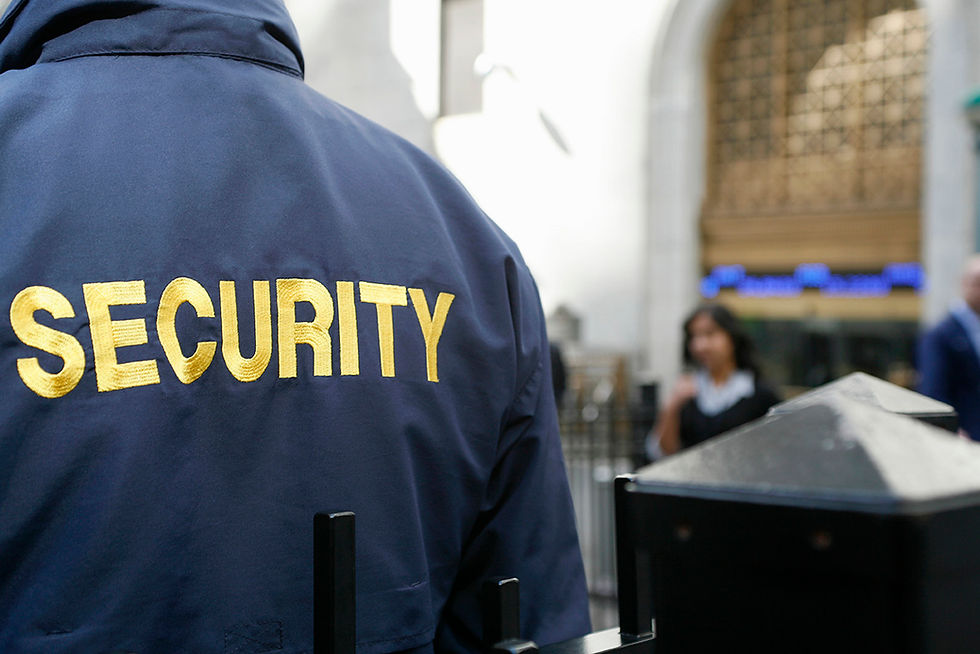
Security Guard Insurance in Texas: Licensing and Coverage
Starting or growing a security guard company in Texas comes with a lot of responsibility. Your clients trust you to protect people, property, and valuable assets. At the same time, you need to protect your own business from lawsuits, accidents, and unexpected losses.

That's why understanding security guard insurance in Texas is just as important as hiring qualified employees.
At Wexford Insurance, we work with contractors and service businesses across the country, including security companies that need customized commercial insurance solutions. Whether you're launching a new patrol service or managing a larger security firm, the right insurance can help you stay prepared for the risks that come with the job.
What Is Security Guard Insurance in Texas?
Security guard insurance is a group of commercial insurance policies designed to help protect security companies from common business risks. Rather than being a single policy, it typically combines several coverages that may protect your business, employees, equipment, and financial future.
Security companies face unique risks every day, including:
Allegations of negligence
Property damage claims
Employee injuries
Vehicle accidents
Equipment theft
Legal defense costs
Cybersecurity incidents involving client information
The exact coverage you need depends on your services. An unarmed security company may need different protection than an armed patrol company, event security provider, or executive protection firm.
Related search terms naturally covered in this guide include:
Texas security company insurance
Security guard liability insurance
Armed security insurance
Commercial insurance for security companies
Security patrol business insurance
Private security insurance Texas
Do Security Guards in Texas Need Insurance?
While licensing requirements and insurance expectations vary depending on the type of security business, most professional security companies should carry commercial insurance to protect their operations.
Many clients, especially commercial property owners, government agencies, schools, healthcare facilities, and construction companies, require proof of insurance before awarding a contract.
Depending on your business, you may also need insurance because:
You employ security officers.
You own company vehicles.
You lease office space.
You handle client property.
Your contracts require specific insurance limits.
Requirements can change over time. Always verify current licensing rules through the Texas Department of Public Safety Private Security Program: https://www.dps.texas.gov/section/private-security.
A licensed insurance agent can also help determine which policies fit your business.
Texas Security Guard Licensing Basics
Security businesses operating in Texas generally must comply with licensing requirements administered by the Texas Department of Public Safety (DPS). Depending on your services, licensing requirements may differ for:
Security companies
Commissioned security officers
Non-commissioned security officers
Personal protection officers
Alarm companies
Investigators
Business owners typically need to complete licensing requirements before legally operating. Employees may also need background checks, training, and additional certifications depending on their duties.
Since regulations can change, always review current licensing information directly with the Texas DPS before starting or expanding your business.
Insurance Coverage Security Companies Typically Need
No two security companies have exactly the same risks. An experienced independent insurance agency can help build a policy package based on your services.
General liability insurance is often the foundation of a security company's insurance program.
It may help cover claims involving:
Third-party bodily injury
Property damage
Legal defense expenses
Advertising injury
For example, if a visitor trips over equipment your employee placed at an event entrance, general liability coverage may respond, depending on your policy.
Professional Liability Insurance
Security companies make important decisions under pressure. If a client claims your business failed to provide agreed-upon security services, professional liability insurance may help with legal expenses.
This coverage is especially important for businesses that provide:
Patrol services
Surveillance monitoring
Risk assessments
Executive protection
Event security
Many Texas security companies operate patrol vehicles.
Commercial auto insurance may help protect company-owned vehicles used for:
Mobile patrol
Alarm response
Site inspections
Employee transportation
Coverage may include liability, collision, comprehensive, and uninsured motorist protection depending on the policy you choose.
Security officers spend long hours standing, walking, driving, and responding to emergencies.
Work-related injuries can happen from:
Slips and falls
Heat exposure
Physical confrontations
Vehicle accidents
Repetitive strain
Workers' compensation insurance may help cover medical expenses and lost wages for eligible workplace injuries. Texas has unique workers' compensation rules, and participation may vary by employer and industry. Discuss your obligations with a licensed insurance professional.
You can also learn more from the Texas Department of Insurance: https://www.tdi.texas.gov/.
Commercial Property Insurance
If your business owns or leases office space, commercial property insurance may help protect:
Computers
Office furniture
Security equipment
Uniforms
Inventory
Business records
Coverage depends on your policy and the cause of loss.
Inland Marine Insurance
Security companies often transport valuable equipment between job sites.
Inland marine insurance may help protect portable items such as:
Radios
Surveillance cameras
Monitoring equipment
Drones
Access control devices
Cyber Liability Insurance
Modern security companies often store sensitive customer information electronically.
Cyber liability insurance may help with expenses related to:
Data breaches
Network attacks
Customer notification costs
Certain legal expenses
As more businesses rely on cloud-based security systems, this coverage has become increasingly important.
Commercial Umbrella Insurance
Large contracts sometimes require higher liability limits.
Commercial umbrella insurance may provide additional liability protection above certain underlying policies when eligible claims exceed primary limits.

What Factors Affect Security Guard Insurance Costs in Texas?
Insurance costs vary widely because every security company is different.
Some of the biggest factors include:
Number of employees
Armed versus unarmed guards
Annual payroll
Years in business
Claims history
Types of clients served
Number of vehicles
Geographic service area
Contract requirements
Coverage limits selected
For example, a company providing armed security at large public events may present different risks than a business offering unarmed office building security.
Costs vary widely, but many small operators may see annual premiums ranging from several hundred dollars for basic policies to several thousand dollars for broader insurance packages. Actual pricing depends on your business, location, services, payroll, claims history, and the insurance carrier's underwriting guidelines.
Risks Facing Texas Security Companies
Texas businesses operate in many industries, from energy production and manufacturing to healthcare, retail, logistics, and construction.
Security companies often work in cities like:
Houston
Dallas
Austin
San Antonio
Fort Worth
El Paso
Each environment presents unique risks.
For example:
Construction sites may experience equipment theft.
Apartment complexes may face liability claims after incidents.
Retail centers may experience shoplifting and customer injuries.
Industrial facilities may require around-the-clock patrols.
Special events create large crowds and increased liability exposures.
Because every client has different expectations, insurance should be tailored to your operations.
How to Reduce Insurance Costs
Every business owner wants comprehensive protection without paying more than necessary.
Consider these strategies:
Hire experienced employees.
Invest in ongoing safety training.
Keep detailed incident reports.
Maintain company vehicles.
Use written contracts reviewed by legal counsel.
Implement cybersecurity best practices.
Bundle multiple business insurance policies when appropriate.
Review your coverage annually.
A proactive risk management program can sometimes improve your company's insurance profile over time.
Choosing the Right Insurance Partner
Buying insurance isn't simply about finding the lowest premium.
An independent agency can help you:
Compare multiple coverage options
Identify coverage gaps
Understand policy exclusions
Review contract insurance requirements
Adjust coverage as your business grows
As your company adds employees, vehicles, or larger contracts, your insurance needs may change as well.
Working with a licensed agent helps ensure your coverage continues to match your operations.
Why Many Texas Security Companies Work With Wexford Insurance
Security companies face unique challenges that standard business insurance may not fully address.
At Wexford Insurance, we help service businesses evaluate their risks and build insurance programs designed around their operations. Because we're an independent agency, we work to match businesses with coverage options that fit their specific needs rather than offering a one-size-fits-all solution.
Whether you operate a single patrol vehicle or manage a growing team serving clients across Texas, our experienced agents can help you understand your options and make informed decisions about your coverage.
Frequently Asked Questions
Is security guard insurance required in Texas?
Requirements vary depending on your business operations, licensing, contracts, and other factors. Many clients require proof of insurance before signing an agreement. Always verify current requirements with the Texas Department of Public Safety and speak with a licensed insurance agent.
What insurance does an armed security company usually need?
Many armed security companies carry general liability, professional liability, commercial auto, workers' compensation when applicable, commercial property, and umbrella insurance. The right combination depends on your business and contractual obligations.
Does general liability insurance cover every lawsuit?
No. Every policy contains exclusions, conditions, and coverage limits. Whether a claim is covered depends on the policy language and the specific circumstances of the loss.
How much does security guard insurance cost in Texas?
There is no standard price. Premiums vary based on your services, payroll, number of employees, claims history, vehicles, coverage limits, and many other underwriting factors.
Can I customize my insurance package?
Yes. Most security companies combine multiple policies to build coverage that reflects their operations, equipment, employees, and contractual requirements. A licensed insurance agent can help determine which coverages are appropriate for your situation.
Get a Free Quote From Wexford Insurance
Running a security company means protecting others every day. Your insurance should help protect your business with the same level of care. If you're looking for security guard insurance in Texas, the team at Wexford Insurance can help you review your risks, compare coverage options, and build a policy package that fits your business.
Contact Wexford Insurance today to request your free, no-obligation quote from a licensed agent.