
Security Guard Insurance in North Carolina: A Complete Guide
If you own a security guard company in North Carolina or are planning to start one, you're probably asking a straightforward question: what insurance coverage do security companies actually need, and how much does it cost?
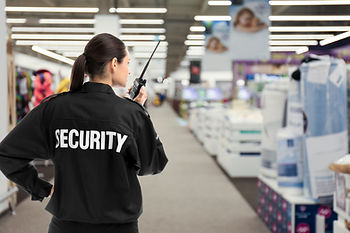
The answer is more important than many business owners realize. Security guards are hired to help protect people, property, and businesses, but that responsibility comes with significant liability exposure. Security guard insurance in North Carolina can help protect your business from lawsuits, employee injuries, vehicle accidents, and claims alleging that a loss occurred while your company was providing security services.
What Is Security Guard Insurance in North Carolina?
Security guard insurance in North Carolina refers to a combination of insurance policies designed to help protect security companies from financial losses related to bodily injury claims, property damage claims, employee injuries, vehicle accidents, professional liability allegations, and other business risks.
Most security companies evaluate coverage such as:
General liability insurance
Workers' compensation insurance
Commercial auto insurance
Professional liability coverage
Commercial property insurance
Umbrella liability insurance
The exact insurance program depends on company size, services offered, contract requirements, and whether the business uses armed or unarmed guards and state business resources through https://www.sosnc.gov.
Explore more in this blog: Security Guard Insurance in Pennsylvania: Licensing and Coverage
What Insurance Does a Security Guard Company Need?
Most security businesses rely on several policies working together to address different risks.
General Liability Insurance
General liability insurance is often the foundation of a security guard insurance program.
This coverage may help respond to claims involving:
Third-party bodily injury
Property damage
Customer injury allegations
Certain legal defense expenses
For example, if a visitor alleges they were injured because of conditions at an event where your company provided security services, general liability coverage may help address the resulting claim, subject to policy terms and conditions.
Many commercial clients require proof of liability insurance before signing a contract.
Professional Liability Insurance
Professional liability coverage is particularly important for many security companies.
Security businesses are often hired because clients expect them to prevent or reduce losses.
Professional liability coverage may help address allegations involving:
Negligence
Failure to perform contracted services
Errors or omissions
Inadequate security services
Claims may arise even when a business believes it acted appropriately.
Workers' Compensation Insurance
Security guards frequently work in unpredictable environments.
Employees may encounter:
Physical confrontations
Slip-and-fall hazards
Long shifts
Outdoor assignments
Emergency situations
Workers' compensation insurance may help cover medical expenses and lost wages associated with covered workplace injuries.
North Carolina workers' compensation requirements vary based on business circumstances. Business owners should verify current requirements directly with state authorities and qualified professionals.
Commercial Auto Insurance
Some security companies operate:
Patrol vehicles
Marked security vehicles
Mobile surveillance units
Supervisor vehicles
Commercial auto insurance may help with:
Vehicle accidents
Property damage claims
Bodily injury claims
Certain legal expenses
If vehicles are used for business purposes, commercial auto coverage is often an important consideration.
Commercial Property Insurance
Security companies that maintain offices, monitoring locations, or storage facilities often evaluate commercial property insurance.
Coverage may help protect:
Office furniture
Computers
Monitoring equipment
Security technology
Business property
Inventory
Coverage details vary by policy.
Umbrella Liability Insurance
Many security companies pursue larger contracts that require higher insurance limits.
Umbrella liability insurance may provide additional protection above certain primary policies.
Businesses protecting commercial properties, industrial facilities, or large events often evaluate umbrella coverage as their operations expand.

How Much Does Security Guard Insurance Cost in North Carolina?
One of the most common questions business owners ask is how much security guard insurance costs.
The reality is that pricing varies significantly between companies.
Factors that often affect premiums include:
Annual revenue
Payroll
Number of guards
Claims history
Armed versus unarmed services
Vehicle usage
Coverage limits
Types of security services provided
Geographic service area
For example, an unarmed security company providing retail patrol services may have different insurance needs than a business offering armed guard services at high-risk locations.
Because each company operates differently, online estimates should be treated as rough illustrations rather than guaranteed pricing. The best way to determine actual costs is to obtain quotes based on your specific business.
Why Security Companies Face Unique Risks
Few service businesses assume as much responsibility as security providers.
When clients hire security personnel, they often expect guards to help reduce theft, vandalism, trespassing, property damage, and safety concerns.
Common risks include:
Customer lawsuits
Employee injuries
Vehicle accidents
False arrest allegations
Property damage claims
Negligence allegations
Contract disputes
Assault and battery claims
Professional liability claims
Even when a security company acts professionally and follows procedures, claims can still occur.
Insurance helps provide financial protection when those situations arise.
What Most People Get Wrong
One of the biggest misconceptions in the security industry is that general liability insurance alone is enough.
In reality, many of the most serious claims involve allegations that a security company failed to prevent an incident, responded improperly, or did not provide services as expected under a contract.
Those allegations often fall into areas that go beyond basic liability coverage.
The most successful security company owners tend to evaluate their total risk profile rather than focusing solely on the minimum insurance needed to secure a contract.
Different Security Services Often Require Different Coverage Considerations
Unarmed Security Guard Companies
Unarmed security services commonly provide:
Retail security
Office building security
Construction site monitoring
Apartment complex patrols
Coverage needs may vary based on client expectations and locations served.
Armed Security Guard Companies
Armed security businesses typically face additional risks related to:
Firearms exposure
High-risk locations
Increased contractual requirements
Enhanced liability considerations
Insurance needs may differ significantly from those of unarmed security operations.
Event Security Companies
Event security businesses often work at:
Concerts
Festivals
Sporting events
Corporate gatherings
Large crowds can create unique liability exposures.
Mobile Patrol Security Services
Mobile patrol companies frequently rely on:
Patrol vehicles
Scheduled route inspections
Property checks
Alarm response services
Commercial auto exposure often becomes an important consideration.
North Carolina Licensing and Compliance Reality Check
Insurance is only one part of operating a security guard company legally and professionally.
North Carolina security businesses may be subject to licensing, training, registration, and regulatory requirements.
Business owners can review information through the North Carolina Private Protective Services Board at https://www.ncdps.gov
Depending on your operation, you may need to address:
Business registration
Security company licensing
Individual guard registration
Training requirements
Firearms certifications where applicable
State tax registration
Employment compliance obligations
Requirements vary based on services provided and business structure. Always verify current requirements directly with the appropriate North Carolina authorities and consult qualified legal or licensing professionals when needed.
For a broader overview of common risks and coverage options, consider linking readers to Wexford's Security Guard Insurance Guide.
Why Clients Often Require Proof of Insurance
Security companies are frequently responsible for protecting expensive property, assets, employees, and customers.
Because of that responsibility, many clients require:
Certificates of insurance
General liability verification
Workers' compensation documentation
Professional liability coverage
Additional insured endorsements
This is especially common among:
Property managers
Manufacturers
Apartment communities
Retail centers
Construction companies
Event organizers
Carrying appropriate insurance can help position a security company to compete for higher-value contracts.
When Should a Security Company Buy Insurance?
The best time is generally before operations begin.
Many owners secure coverage while:
Registering the business
Applying for licenses
Hiring guards
Purchasing vehicles
Signing customer contracts
Waiting until after a claim occurs provides no protection for that incident.
A well-structured insurance program can help provide a stronger foundation as the company grows.
Reviewing Coverage as Your Security Business Expands
Security companies often evolve quickly.
Over time, a business may add:
More guards
Additional service territories
Patrol vehicles
Armed services
Larger contracts
Specialized security offerings
Each change may affect the company's risk profile.
Many business owners review insurance annually or whenever there is a significant operational change.
Frequently Asked Questions
Is security guard insurance required in North Carolina?
Requirements can vary based on licensing obligations, employees, vehicles, contracts, and business activities. Verify current requirements with the appropriate North Carolina authorities and qualified professionals.
Do security companies need professional liability insurance?
Many security businesses evaluate professional liability coverage because clients may allege negligence, inadequate services, or failure to perform contracted duties.
Can security guard insurance cover patrol vehicles?
Commercial auto insurance may help provide coverage for vehicles used in security operations, subject to policy terms and conditions.
Do clients usually require proof of insurance?
Many commercial clients require certificates of insurance before hiring a security company.
How often should a security company review its insurance coverage?
Many businesses review coverage annually or when adding employees, vehicles, contracts, locations, or new services.
Ready to Protect Your North Carolina Security Guard Business?
Whether you're starting a new security company, expanding patrol operations, hiring additional guards, or pursuing larger commercial contracts, having the right insurance can help protect your business from unexpected claims, workplace injuries, vehicle accidents, and professional liability risks. As your company grows, so do your responsibilities and potential exposures.
Wexford Insurance works with security guard companies and service businesses across the country and understands the unique challenges security professionals face every day. From armed and unarmed guard services to mobile patrol operations and event security, our team can help you explore coverage options designed for your specific operation.
Get a free, no-obligation quote and discover insurance solutions tailored to your security business.


