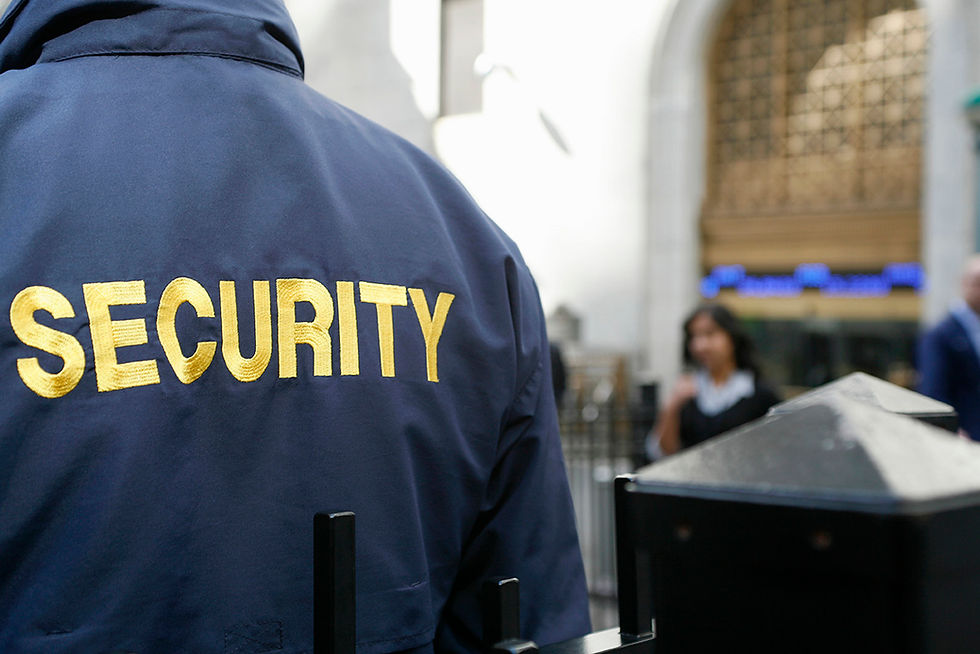
Security Guard Insurance: A Complete Guide for Patrol Companies
Security work sounds simple from the outside: patrol a property, keep watch, respond when something looks off. But anyone running a security company knows it’s not that clean. One incident, one injury, or one property claim can turn into a serious financial headache.

That’s where security guard insurance for patrol companies comes in. It’s not just a “nice to have” policy. It’s the safety net that helps protect your business when things go wrong on shift, in transit, or even during routine patrols. Whether you offer armed or unarmed services, understanding your coverage matters more than most people realize.
What is Security Guard Insurance?
Security guard insurance is a package of coverage designed for companies that provide protection services. That includes stationary guards, mobile patrol units, event security, and private security contractors.
Most policies combine several types of protection into one plan, often called a Business Owner’s Policy or a customized commercial package. The goal is to protect against common risks in the security industry like injuries, property damage, and legal claims.
Related long-tail keywords often include:
security company insurance coverage
patrol company insurance requirements
unarmed security guard insurance policy
armed security insurance coverage options
Each security company is different, so coverage is usually tailored based on your size, services, and client contracts.
Why Security Guard Companies Need Insurance
Security companies deal with unpredictable environments. You’re hired to prevent problems, but you’re also the first one blamed when something goes wrong.
Here’s why insurance is essential:
Guards work in public spaces where injuries can happen
Clients may hold you responsible for property damage or theft claims
Employees often drive between job sites
Use-of-force situations can lead to lawsuits
Contracts with property managers often require proof of coverage
Even well-trained teams face risk. Insurance doesn’t remove those risks, but it helps absorb the financial impact when something unexpected happens.
For context on workplace risks, the Occupational Safety and Health Administration (Occupational Safety and Health Administration) provides guidance on safety standards that often apply to security environments:https://www.osha.gov
What Does Security Guard Insurance Typically Cover?
Most security guard insurance policies for patrol companies combine several core protections. Here’s a breakdown of the most common types.
This is the foundation of most security insurance plans. It may cover third-party bodily injury or property damage. For example, if a visitor trips over equipment during your patrol, this coverage may help with legal or medical costs.
Security guards often work long hours, stand for extended periods, and sometimes face physical confrontation. Workers’ comp may cover medical expenses and lost wages if an employee is injured on the job.
Mobile patrol units rely heavily on vehicles. Commercial auto insurance may cover accidents, vehicle damage, and liability if a guard is driving between sites.
Professional Liability (Errors & Omissions):
This coverage addresses claims of negligence or failure to perform duties properly. For example, if a client claims your team failed to prevent a break-in, this policy may respond depending on the situation.
Inland Marine Insurance:
Despite the name, this has nothing to do with boats. It typically covers equipment like radios, surveillance tools, and portable devices while they are in transit or on-site.
Umbrella Insurance:
Umbrella coverage provides an extra layer of protection above your primary limits. It can be helpful for larger contracts or higher-risk assignments.
Together, these policies form a more complete security business liability insurance plan that helps protect both employees and operations.

What Security Guard Insurance May Cover in Real Situations
So what does this actually look like in the real world?
Here are a few simplified examples:
A guard is injured breaking up a fight at a retail property → workers’ comp may apply
A patrol vehicle hits another car during a site round → commercial auto may respond
A client claims your team failed to prevent vandalism → professional liability may be triggered
Equipment is stolen from a vehicle overnight → Inland Marine may help cover replacement costs
The important word here is “may.” Coverage depends heavily on policy wording, exclusions, and the specific facts of the incident.
This is why security firms often review policies carefully with a licensed agent before signing contracts.
Factors That Affect Cost of Security Guard Insurance
There’s no universal price tag for security guard insurance for patrol companies. Costs vary widely based on risk level and business structure.
Key factors include:
Whether you provide armed or unarmed security
Number of employees on your team
Types of locations you protect (residential, commercial, events)
Use of vehicles for patrol services
Claims history and prior incidents
Coverage limits and deductibles selected
Industry employment data from the U.S. Bureau of Labor Statistics (U.S. Bureau of Labor Statistics) shows the security industry includes a wide range of job types and environments:https://www.bls.gov
More risk usually means higher premiums. Lower-risk operations with clean records typically have more affordable options, but every case is different.
Required Insurance for Security Guard Companies
In many states and contracts, insurance isn’t optional.
Common requirements include:
General liability insurance minimums set by clients or property managers
Workers’ compensation for all employees (legally required in most U.S. states)
Commercial auto insurance for any company-owned vehicles
Proof of coverage before starting a contract
Some states may also require specific licensing tied to insurance proof, especially for armed security services.
Large clients like shopping centers, hospitals, and construction sites often set their own insurance thresholds. If your policy doesn’t meet them, you may lose out on contracts.
How to Build a Policy for Patrol Companies
Building the right security company insurance coverage is about matching risk to protection.
A typical step-by-step process looks like this:
Identify your services (armed, unarmed, mobile patrol, event security)
List your equipment and vehicles
Review contract requirements from clients
Evaluate employee count and job duties
Choose appropriate coverage limits
Add specialized coverage where needed (like inland marine or umbrella)
Working with an experienced insurance advisor is especially important here. Security businesses often have overlapping risks that standard policies don’t fully address without customization.
Common Mistakes Security Firms Make
Many security companies run into trouble not because they lack insurance, but because they have the wrong kind.
Here are frequent mistakes:
Buying the cheapest policy without checking exclusions
Not covering armed security operations properly
Forgetting to insure vehicles used for patrols
Underestimating liability limits required in contracts
Failing to update coverage when the business grows
A small coverage gap can become a big financial problem quickly, especially in high-liability environments like security work.
FAQ – Security Guard Insurance for Patrol Companies
Is security guard insurance required to operate a security company?
In many states, yes for workers’ compensation and often for general liability. Client contracts may also require proof of coverage.
Does security guard insurance cover armed security work?
It can, but armed services usually require specialized underwriting and higher premiums due to increased risk.
What insurance do patrol companies need for vehicles?
Commercial auto insurance is typically required for any vehicle used for business patrols or client site visits.
Can small security companies get affordable insurance?
Yes, but pricing depends on risk level, services offered, and claims history. Smaller firms with lower risk profiles may have more flexible options.
What happens if a security company is uninsured?
Without insurance, a single lawsuit or accident could create major financial liability and potentially shut down operations.
Final Thoughts
Running a security business means managing risk every single day. The right insurance doesn’t stop incidents from happening, but it helps keep one bad situation from becoming a business-ending problem.
If you’re reviewing or building security guard insurance for patrol companies, it’s worth getting guidance tailored to your operations, contracts, and state requirements.
For a policy review or customized options, contact Wexford Insurance at 317-942-0549 or visit www.wexfordins.com to help you compare coverage and request a free quote based on your specific security business needs.