
Painting Contractor Insurance: Coverage and Costs Explained
If you own a painting business, you already know that every job comes with risks. A spilled paint can damage a client's property, a ladder accident can lead to injuries, or stolen equipment can delay projects and cost money.
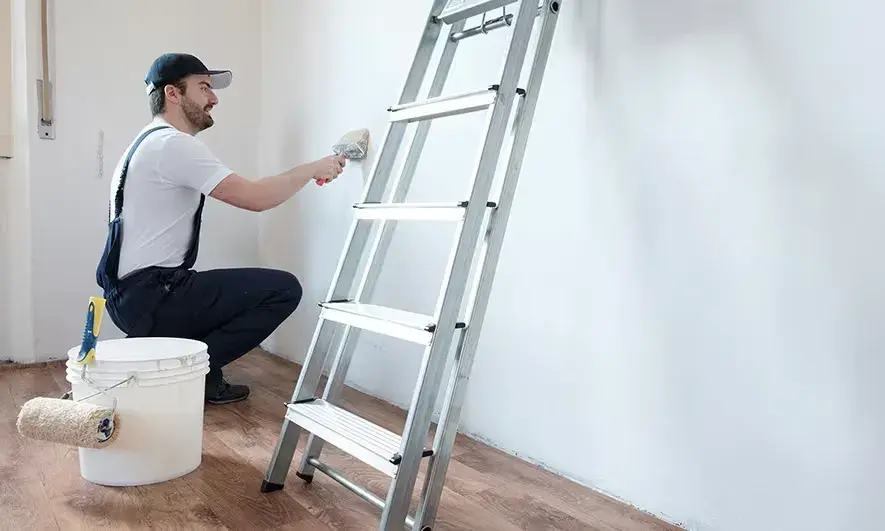
That is why painting contractor insurance is an important part of running a professional painting company. The right coverage can help protect your business from unexpected expenses and keep projects moving when problems arise. In this guide, we'll explain what painting contractor insurance typically covers, how costs are determined, and what policies many painting contractors consider.
What Is Painting Contractor Insurance?
Painting contractor insurance is a collection of insurance policies designed to help protect painting businesses from common risks. Rather than a single policy, it usually includes several types of coverage that address property damage, injuries, vehicles, equipment, and employee-related risks.
Whether you work alone or manage a growing crew, insurance may help reduce the financial impact of accidents, claims, and unexpected events that can occur on job sites.
Many clients, property managers, and general contractors also require proof of insurance before allowing work to begin.
What Does Painting Contractor Insurance Cover?
The exact coverage depends on your business and policy selections, but painting contractor insurance typically includes several core protections.
General Liability Insurance is often considered the foundation of contractor insurance.
This coverage may help protect your business if a third party claims your work caused:
Property damage
Bodily injury
Legal defense costs
Medical expenses for non-employees
For example, if paint spills onto a customer's expensive flooring or a visitor trips over equipment at a job site, general liability coverage may help with covered claims.
Many customers and commercial projects require proof of general liability insurance before signing a contract.
Commercial Property Insurance may help protect business property such as:
Buildings
Business furniture
Inventory
Equipment
Computers
Supplies
Covered losses may include events such as fire, theft, vandalism, or certain weather-related damage, depending on the policy.
Tools and Equipment Coverage may help pay for repair or replacement costs if covered equipment is stolen, damaged, or lost. Painters rely on valuable tools every day, including sprayers, ladders, compressors, sanders, and other equipment that can be expensive to replace. This protection is especially important for contractors who transport equipment between multiple job sites.
Commercial Auto Insurance may help cover company-owned trucks and vans, property damage caused by vehicle accidents, bodily injury claims, and vehicle repair costs depending on coverage selected. Painting contractors who transport ladders, paint supplies, and equipment often rely on commercial vehicles as a key part of daily operations.
Workers' Compensation Insurance may be required by state law if you have employees. This coverage generally helps with medical bills for workplace injuries, rehabilitation expenses, partial lost wages, and certain employer liability exposures. Painting work frequently involves ladders, scaffolding, lifting equipment, and working at heights, all of which can increase injury risks. Requirements vary by state, so it's important to understand local regulations.
Professional Liability Insurance may benefit some painting contractors if a client alleges that professional advice, recommendations, or project management errors caused financial losses. Coverage details vary significantly among policies.

What Insurance Do Painting Contractors Need?
The answer depends on your business structure, location, and operations.
Many painting contractors consider the following insurance package:
General liability insurance
Workers' compensation insurance (if required)
Commercial auto insurance
Tools and equipment coverage
Commercial property insurance (if applicable)
Umbrella liability insurance for additional protection
A licensed insurance agent can help identify the coverage options that fit your specific business.
How Much Does Painting Contractor Insurance Cost?
The cost of painting contractor insurance varies widely based on several factors.
As a general illustration, many small painting businesses may see annual insurance costs ranging from hundreds to several thousand dollars depending on their operations, coverage selections, state requirements, payroll, vehicle usage, and claims history. Actual premiums vary significantly by business and carrier.
Factors that commonly affect pricing include:
Business Size
A solo painter usually has different insurance needs than a company with multiple crews and vehicles. More employees and larger operations generally create greater exposure, which can increase premiums.
Revenue
Insurance providers often review annual revenue when evaluating risk. Higher revenue may indicate more projects, more job sites, and more opportunities for claims.
Payroll
For workers' compensation insurance, payroll is often one of the primary rating factors. Larger payrolls typically result in higher premiums.
Claims History
Businesses with fewer prior claims may qualify for more favorable pricing than those with multiple losses. Maintaining strong safety practices can help reduce risk over time.
Coverage Limits
Higher policy limits generally provide more protection but may also increase insurance costs. Your agent can help balance protection and budget considerations.
Type of Work Performed
Not all painting work carries the same level of risk. For example, interior residential painting may be viewed differently than large-scale commercial projects involving scaffolding or elevated work areas.
Why Painting Contractors Face Unique Risks
Painting may seem straightforward, but contractors face a surprising variety of exposures.
Common risks include:
Falls from ladders and scaffolding
Property damage from paint spills
Equipment theft
Vehicle accidents
Employee injuries
Customer injury claims
Contract requirements from commercial clients
Without proper insurance, even a single incident could create significant out-of-pocket expenses.
Insurance helps many contractors manage these risks while maintaining business continuity.
How to Lower Painting Contractor Insurance Costs
Every contractor wants strong protection without paying more than necessary. While no strategy guarantees lower premiums, there are several ways businesses may improve their insurance profile.
Implement Safety Programs
Written safety procedures, employee training, and job-site inspections can help reduce workplace incidents. Many insurers view proactive safety practices favorably.
Maintain Clean Driving Records
For businesses with company vehicles, driver history can influence commercial auto insurance costs. Regular driver training may help reduce risk.
Review Coverage Annually
Business needs change over time. An annual insurance review helps ensure you are not underinsured or paying for coverage that no longer fits your operations.
Bundle Policies When Appropriate
Some businesses choose to package multiple coverages together. Depending on the insurer and circumstances, bundling may provide administrative convenience and potential cost efficiencies.
Painting Contractor Insurance Coverage and Costs Explained
For painting contractors, insurance is designed to help protect against common business risks such as property damage, injuries, vehicle accidents, equipment losses, and employee claims.
Most painting businesses carry a combination of general liability insurance, workers' compensation, commercial auto insurance, and tools and equipment coverage. Costs vary widely based on factors such as business size, payroll, revenue, location, claims history, and coverage limits.
The best way to determine appropriate coverage and pricing is to work with a licensed insurance professional who understands contractor insurance.
For additional workplace safety information, contractors can visit the Occupational Safety and Health Administration (OSHA).
Businesses can also learn more about risk management and workplace practices through the National Safety Council (NSC).
Choosing the Right Insurance Partner
Insurance is more than a policy document. It is part of your overall business strategy.
When evaluating insurance options, consider:
Experience with contractor insurance
Access to multiple insurance markets
Understanding of local regulations
Claims support resources
Ability to adjust coverage as your business grows
A knowledgeable independent agency can help compare options and explain coverage in plain language.
Frequently Asked Questions
Is painting contractor insurance required?
Some forms of insurance may be required by state law, contract requirements, or licensing rules. Requirements vary by location and business structure.
Does general liability insurance cover faulty workmanship?
Coverage depends on policy language and the specific circumstances of a claim. General liability insurance may cover certain resulting damages, but workmanship issues themselves are often handled differently. Review policy details with a licensed agent.
Do independent painters need insurance?
Many independent painters carry insurance because they can still face claims involving property damage, injuries, or equipment losses. Clients may also require proof of coverage.
Does painting contractor insurance cover stolen tools?
Many contractors purchase tools and equipment coverage, which may help cover theft of insured equipment under covered circumstances.
How can I get a painting contractor insurance quote?
The best approach is to work with a licensed insurance agent who can review your operations, discuss coverage options, and compare available policies based on your specific needs.
Get A Quote
Running a painting business involves enough challenges without worrying about unexpected claims or losses. Wexford Insurance helps contractors understand their options and find coverage that fits their operations and budget.
Contact Wexford Insurance today at 317-942-0549 or visit www.wexfordins.com to request a free, no-obligation insurance quote from a licensed agent.


