
OSHA-Recommended Safety Equipment for Pest Control: Essential PPE Checklist & Gear Guide
Pest control might look simple from the outside—spray chemicals, eliminate pests, move on. In reality, it’s a high-risk job involving hazardous substances, confined spaces, and unpredictable exposure risks.

That’s why OSHA (Occupational Safety and Health Administration) safety guidelines emphasize strict use of Personal Protective Equipment (PPE) for pest control operators.
This guide breaks down the essential OSHA-aligned safety equipment, recommended gear available on Amazon, and how proper insurance protection helps safeguard your business.
Why OSHA Safety Standards Matter in Pest Control
OSHA requires employers to assess workplace hazards and provide proper PPE to employees exposed to:
Chemical pesticides and insecticides
Aerosolized sprays and foggers
Rodenticides and bait formulations
Confined spaces (crawlspaces, attics, basements)
Biological contaminants (rodents, insects, mold exposure)
Failure to comply can lead to:
Workplace injuries
OSHA citations and fines
Workers’ compensation claims
Business liability lawsuits
In short: skipping PPE is not a cost-saving strategy. It’s a lawsuit waiting to happen.
OSHA-Recommended Safety Equipment for Pest Control Operators
Eye protection is mandatory when handling or applying pesticides. OSHA emphasizes protection against chemical splash hazards.
Key features:
Tight-seal fit
Anti-fog coating
Indirect ventilation
Polycarbonate lenses

Face shields provide full frontal protection from chemical splashes and airborne debris. Typically used with goggles for layered safety.
Best for:
Mixing pesticides
Fogging treatments
High-pressure spray applications
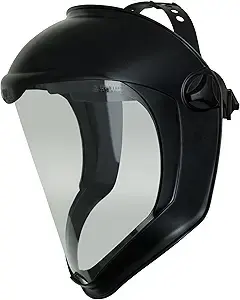
OSHA strongly recommends respiratory protection when handling toxic fumes or pesticide vapors.
Types include:
Half-mask respirators
Full-face respirators
Replaceable cartridge systems (organic vapor filters)

Protective suits prevent skin exposure to pesticides and contaminants.
Key features:
Waterproof or chemical-resistant material
Elastic cuffs and hood
Disposable or reusable options
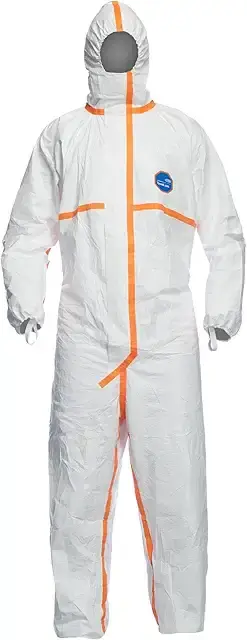
Hands are one of the most exposed areas in pest control work.
OSHA-compliant gloves should be:
Nitrile or neoprene-based
Thick enough to resist chemical penetration
Long-cuffed for forearm protection

Foot protection is often overlooked—but OSHA doesn’t ignore it.
Features:
Slip-resistant soles
Chemical-resistant material
Steel toe (recommended)

OSHA PPE Compliance Checklist for Pest Control Companies
A compliant pest control operation should ensure:
Employees are trained in PPE usage
PPE is inspected before each use
Damaged gear is replaced immediately
Respirators are fit-tested
Safety data sheets (SDS) are accessible
Proper disposal procedures are followed
If you’re skipping any of this, congratulations—you’re operating in “hope and prayer” mode.
Common OSHA Violations in Pest Control
Some of the most frequent violations include:
No respiratory protection during fumigation
Improper eye protection during chemical mixing
Reusing contaminated PPE
Lack of PPE training documentation
Failure to provide chemical safety data sheets
These aren’t minor technicalities—they’re the kind of issues that turn into fines or insurance claims.
Why PPE Alone Isn’t Enough: Insurance Protection Matters
Even with OSHA-compliant PPE, pest control remains a high-liability industry. Accidents still happen.

Common claims include:
Chemical exposure injuries
Property damage during treatments
Employee workplace injuries
Third-party liability claims
A strong insurance program typically includes:
General Liability Insurance
Workers’ Compensation Insurance
Pollution Liability Coverage (critical for pesticide use)
Commercial Auto Insurance
Professional Liability Insurance
Businesses looking to stay protected while scaling operations can request a tailored quote from Wexford Insurance, which specializes in coverage for contractors and pest control operators.
Final Thoughts
OSHA-recommended safety equipment isn’t just about compliance—it’s about keeping technicians alive, healthy, and employable.
From respirators and goggles to chemical-resistant suits and gloves, every piece of PPE plays a role in reducing risk in a high-exposure environment.
But even perfect PPE use doesn’t eliminate financial risk. That’s where proper insurance coverage steps in—protecting the business when safety measures aren’t enough.
And in pest control, “not enough” is usually how the expensive stories begin.


