
Must‑Have Tools for Installing Metallic Epoxy Floors (Installer Checklist 2026)
- 2 hours ago
- 2 min read
Metallic epoxy floors have become one of the most popular flooring options across residential, commercial, and industrial spaces thanks to their high gloss, 3D movement, and durability. But achieving that flawless “liquid marble” effect depends heavily on having the right tools. Whether you're upgrading your kit or starting your epoxy flooring business in 2026, this checklist highlights the must‑have tools for installing metallic epoxy floors like a pro.

Surface preparation is the most important step. A walk-behind diamond grinder ensures proper concrete profiling (CSP 2–3) and removes old coatings, stains, or imperfections.

Metallic epoxy requires a dust-free surface. A HEPA-rated dust extractor attaches to grinders and prevents micro-dust from interfering with adhesion or creating imperfections in the metallic finish.

Metallic pigments rely on proper mixing for swirls and depth. A high-torque mixing drill ensures consistent blending of epoxy resin, hardener, and pigments.
A must-have for spreading epoxy at the correct mil thickness. Different notches create different flow patterns, essential for metallic effects.

5. Spike Shoes
Installers need spike shoes to walk across the wet epoxy without disturbing the material. They allow for manipulating metallic pigments while maintaining a flawless finish.

Topcoats, primers, and metallic manipulations require lint-free rollers. These prevent streaks and debris from getting trapped in the coating.

Used to remove microbubbles and enhance metallic movement, torches allow installers to create stunning 3D ripple effects.

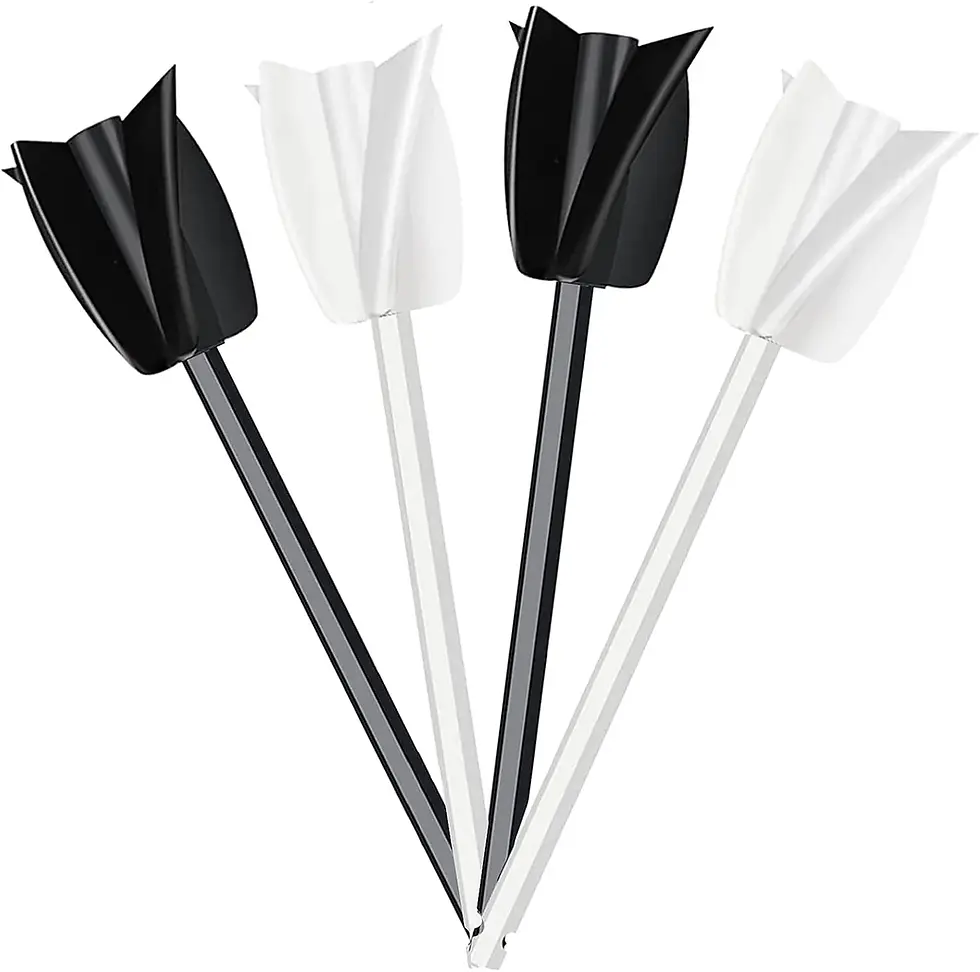
Metallic pigments behave differently than standard epoxy tints. Tools like swirl sticks or plastic rakes help installers create marbling, waves, and lava effects.

9. Moisture Meter
Testing concrete moisture prevents epoxy failure, especially in garages or basements. Moisture issues can lead to delamination or cloudy metallic effects.

10. Protective Gear
Durability isn't just for floors—installers need safety gear including gloves, respirators, knee pads, and goggles.

Why Insurance Matters for Epoxy Installers
A single mistake—like a failed moisture test, client slip, or chemical spill—can lead to costly claims. That’s why metallic epoxy installers protect themselves with general liability insurance, workers' comp, and contractor coverage.

If you want affordable, contractor‑focused insurance, Wexford Insurance specializes in policies for flooring professionals.👉 Get a free quote today: Wexford Insurance
FAQs
How do I properly prep a concrete floor for epoxy coating, including tools and grit levels?
Which epoxy mixing tools, including drills, paddles, and bucket systems, prevent failures?
What are the best metallic epoxy pigments in 2026 for color depth, swirl quality, and coverage?


