
Junk Removal Insurance: What Hauling Businesses Need to Carry
If you run a junk removal business, you already know the risks. One wrong move while hauling debris, lifting heavy items, or driving a loaded truck can lead to costly problems. The big question is: what kind of insurance do you really need to protect your business?
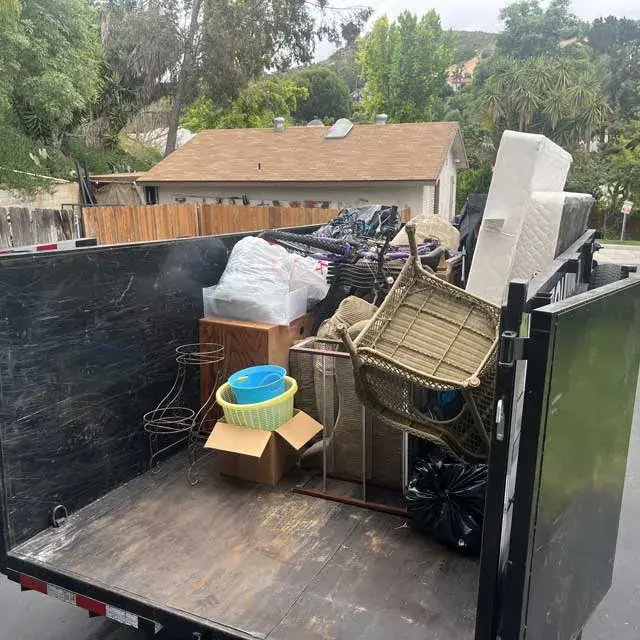
Junk removal insurance helps cover the unique risks that hauling businesses face every day. Whether you're picking up furniture, clearing job sites, or hauling construction debris, having the right coverage can protect your business, your team, and your income.
What Is Junk Removal Insurance?
Junk removal insurance isn’t a single policy—it’s a combination of coverages designed for hauling and cleanup operations. These policies work together to help protect your business from common risks like property damage, injuries, and vehicle accidents.
Most junk removal companies need basic protections similar to other contractors, plus specialized coverage for hauling work. Because every operation is different, your exact insurance needs will depend on things like:
The size of your business
The types of materials you haul
Whether you have employees
The vehicles and equipment you use
What Insurance Do Junk Removal Businesses Need?
If you’re looking for a direct answer, here it is:
Most junk removal and hauling businesses should carry:
General Liability Insurance
Commercial Auto Insurance
Workers’ Compensation (if you have employees)
Inland Marine (tools and equipment coverage)
Umbrella Insurance (extra liability protection)
Depending on your operation, you may also need specialized policies like pollution liability or cargo coverage.
Let’s break these down so you know what each one does.
General liability is the foundation of your junk removal insurance plan. It helps protect your business if you accidentally damage someone’s property or cause an injury.
For example, it may help cover situations like:
Scratching hardwood floors while removing furniture
Damaging a customer’s wall during hauling
A client tripping over your equipment
Without this coverage, you could end up paying for repairs, legal fees, or medical costs out of pocket.
If you want a deeper understanding of how liability works, the SBA explains the basics in plain language.
Your truck is the backbone of your junk removal business. Personal auto insurance typically does not cover vehicles used for business purposes.
Commercial auto insurance may help cover:
Accidents involving your work truck
Damage to other vehicles or property
Injuries caused in an accident
Theft or vandalism of your vehicle
If you have multiple trucks or trailers, each one should be properly insured under a commercial policy.
Junk removal is physical work. Lifting heavy items, climbing stairs, and working in tight spaces all increase the risk of injury.
If you have employees, most states require workers’ compensation insurance. This coverage may help with:
Medical bills from work-related injuries
Lost wages during recovery
Rehabilitation costs
Even if you’re a small team, this is one of the most important protections you can carry.
You can review general state requirements and safety considerations through the https://www.osha.gov/safety-management, which outlines common workplace hazards and prevention practices.
Inland Marine Insurance (Tools and Equipment)
Inland marine insurance covers tools and equipment while they are in transit or on job sites.
For junk removal businesses, that can include:
Dollies and lifting equipment
Power tools
Safety gear
Mobile equipment used for hauling
If your gear is stolen, damaged, or lost, this policy may help cover repair or replacement costs.
Umbrella Insurance (Extra Protection)
Umbrella insurance provides additional liability coverage on top of your base policies.
For example:
If a major accident exceeds your liability limits
If a lawsuit results in high damages
If multiple claims happen at once
This type of policy can be especially valuable for junk removal companies working on larger commercial jobs or handling heavy debris.

Do Junk Removal Companies Need Pollution Liability Insurance?
This depends on the type of materials you handle.
If you ever haul:
Chemicals
Paints or solvents
Hazardous waste
Contaminated debris
Then pollution liability coverage may be worth considering. Standard liability insurance often excludes environmental claims, so this fills an important gap.
Even if you don’t think of your business as “hazardous,” certain jobs can expose you to environmental risks.
How Much Does Junk Removal Insurance Cost?
The cost of junk removal insurance varies widely. There is no one-size-fits-all price.
Several factors affect your premium, including:
Business size and annual revenue
Number of employees
Types of jobs you take on
Location and state requirements
Claims history
Number and type of vehicles
Costs vary widely, but many small operators see annual premiums that range from a few hundred to several thousand dollars depending on coverage and risk level.
The best way to understand your actual cost is to speak with a licensed insurance agent who can review your specific business details.
Common Risks Junk Removal Businesses Face
Understanding your risks helps explain why insurance matters.
Here are some of the most common issues junk removal companies deal with:
Property Damage
Moving large items out of tight spaces can easily lead to damage. A scratched floor or broken door frame can turn into a claim quickly.
Bodily Injury
Customers or bystanders could get hurt during a job. Even minor injuries can lead to medical costs or liability claims.
Employee Injuries
Back strains, cuts, and falls are common in this type of work.
Vehicle Accidents
Driving fully loaded trucks adds risk, especially in busy areas or tight neighborhoods.
Theft or Equipment Loss
Tools and equipment are often left unattended or stored in trucks, making them targets for theft.
Having the right insurance in place helps protect against all of these.
How to Choose the Right Coverage
Not all junk removal businesses are the same, so your insurance should reflect your actual operations.
Here are a few practical tips:
Evaluate Your Services
Do you only remove household junk, or do you handle construction debris and commercial cleanouts?
The broader your services, the more coverage you may need.
Consider Your Growth Plans
If you plan to add employees, trucks, or larger jobs, it’s smart to build your coverage with growth in mind.
Don’t Focus Only on Price
Cheaper policies may leave gaps in coverage. It’s important to understand what is—and isn’t—included.
Work With a Specialist
An independent agent who understands contractor and hauling risks can help you compare options and build the right protection.
Why Insurance Matters for Your Reputation
Insurance isn’t just about protection—it’s also about credibility.
Many customers, especially commercial clients, will ask for proof of insurance before hiring you. Being properly insured can help you:
Win larger jobs
Build trust with customers
Meet contract requirements
Protect long-term business stability
In competitive markets, this can make a big difference.
FAQ: Junk Removal Insurance
Do I need insurance to start a junk removal business?
Yes, in most cases. At a minimum, you’ll likely need general liability and commercial auto insurance. State laws may also require workers’ compensation if you hire employees.
Is junk removal insurance required by law?
Some types are required, such as commercial auto and workers’ compensation (depending on your state and workforce). Others, like general liability, may not be legally required but are strongly recommended.
Does general liability cover hauling debris?
General liability may cover property damage or injuries related to your work, but it typically does not cover the materials you are hauling. You may need additional coverage depending on what you transport.
Can I use personal auto insurance for my junk removal truck?
No, personal auto policies usually exclude business use. You’ll need commercial auto insurance for vehicles used in your operations.
How do I get proof of junk removal insurance?
Once you purchase a policy, your insurance provider can issue a Certificate of Insurance (COI), which you can share with clients as proof of coverage.
Get a Junk Removal Insurance Quote
Running a junk removal business comes with real risks—but the right insurance can help you handle them with confidence. Whether you’re just starting out or growing your hauling operation, having the right coverage in place is a smart move.
If you want help building a policy that fits your business, Wexford Insurance is here to guide you.
Call 317-942-0549 or visit https://www.wexfordins.com/ to request your free quote and speak with a licensed agent today.


