Is a Machine Shop Profitable? Job Shop Economics in 2026
If you're thinking about opening a machine shop or buying an existing one, you're probably asking the same question many owners ask before investing: Is a machine shop profitable? The answer depends on much more than owning CNC equipment and finding customers.

Machine shops can be profitable businesses, especially when they operate efficiently, maintain strong customer relationships, and keep machines running consistently. However, profitability depends on factors such as labor costs, machine utilization, material pricing, overhead expenses, and the ability to win repeat work.
What Is a Machine Shop?
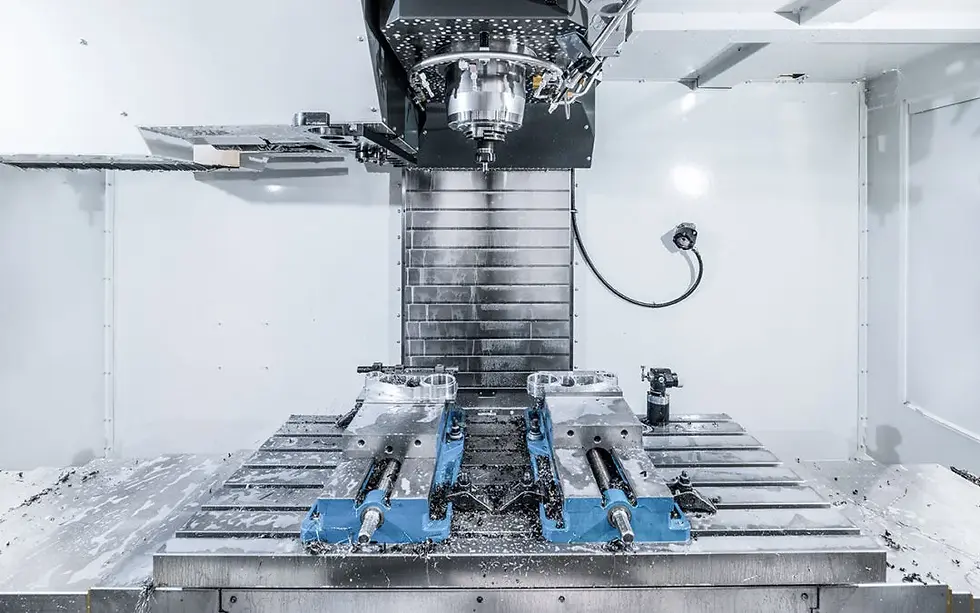
A machine shop manufactures precision parts and components using specialized equipment such as:
CNC mills
CNC lathes
Manual mills
Manual lathes
Grinding equipment
Cutting tools
Measuring equipment
Machine shops produce parts for a wide range of industries, including:
Manufacturing
Construction
Aerospace
Automotive
Energy
Medical devices
Agriculture
Many machine shops operate as job shops, meaning they manufacture custom parts based on customer specifications rather than producing a single product line.
Quick Answer: Is a Machine Shop Profitable in 2026?
Yes, a machine shop can be profitable in 2026 when it maintains strong machine utilization, controls labor and material costs, delivers quality parts consistently, and develops long-term customer relationships.
The most profitable machine shops often focus on:
High-value machining services
Repeat customers
Efficient production scheduling
Skilled employees
Tight quality control
Strong estimating practices
Profitability varies significantly based on equipment investments, local competition, workforce quality, market demand, and business management. No level of revenue or profit can be guaranteed.

Why Machine Shops Remain in Demand
Despite advances in automation and overseas manufacturing, many companies still rely on domestic machine shops for critical parts and production support.
Machine shops often provide:
Custom manufacturing
Rapid prototyping
Short production runs
Emergency repairs
Replacement parts
Precision machining
Many manufacturers prefer working with local or regional suppliers that can respond quickly to production challenges.
The National Institute of Standards and Technology's Manufacturing Extension Partnership offers resources and insights for manufacturers and machine shops through https://www.nist.gov/mep.
Understanding Job Shop Economics
Job shop economics revolve around one simple concept: keeping machines productive.
A CNC machine sitting idle earns no revenue while continuing to generate expenses such as rent, loan payments, utilities, and labor.
The most successful shops focus on maximizing billable machine hours while minimizing downtime.
Machine Utilization
Machine utilization refers to the percentage of time equipment is actively producing revenue-generating work.
Many machine shop owners closely track:
Spindle uptime
Production hours
Setup times
Downtime
Labor efficiency
Improving utilization often has a direct impact on profitability.
Repeat Customers
Winning a customer once is valuable.
Winning repeat orders from that customer is often far more profitable.
Repeat customers may reduce:
Sales costs
Quoting time
Engineering time
Production uncertainty
Long-term customer relationships often create more stable revenue.
Specialty Services
Many profitable machine shops specialize in areas such as:
Tight-tolerance machining
Prototype machining
Short-run production
Complex CNC work
Custom fabrication
Repair machining
Specialization can help reduce competition and create opportunities for higher-margin work.
Revenue Drivers for Machine Shops
Several factors influence revenue potential.
Hourly Machine Rates
Many shops calculate pricing based on machine time, setup time, programming time, labor, and materials.
Accurate estimating is critical because underpricing jobs can quickly reduce profitability.
Production Capacity
More available machine hours generally create more opportunities for revenue.
However, capacity only matters when there is enough customer demand to fill production schedules.
Customer Mix
A diverse customer base may help reduce dependence on any single industry.
For example, a shop serving manufacturing, agriculture, and construction customers may be less exposed to downturns in one market sector.
Value-Added Services
Additional services can increase revenue opportunities.
Examples include:
Engineering support
CAD/CAM programming
Assembly services
Finishing services
Inventory management
Offering additional solutions may strengthen customer relationships.
Major Costs of Running a Machine Shop
While machine shops can generate significant revenue, they often require substantial investment and operating expenses.
Equipment Costs
Machining equipment is one of the largest expenses.
Costs may include:
CNC machines
Tooling
Measuring equipment
Forklifts
Software
Maintenance systems
Whether leasing, financing, or purchasing equipment, ownership costs can significantly affect profitability.
Labor Costs
Skilled machinists remain in high demand.
Labor expenses often include:
Wages
Benefits
Overtime
Training
Recruiting
Many shop owners consider workforce development one of their biggest long-term challenges.
Material Costs
Raw material costs can fluctuate and affect job profitability.
Common materials include:
Steel
Aluminum
Stainless steel
Brass
Plastics
Specialty alloys
Accurate quoting becomes especially important when material costs are changing.
Building and Utility Expenses
Machine shops often require large facilities and significant power consumption.
Operating expenses may include:
Rent or mortgage payments
Electricity
Heating and cooling
Property maintenance
Equipment maintenance
These overhead costs continue even during slower production periods.
Common Challenges Facing Machine Shops in 2026
Every manufacturing business faces risks.
Machine shops are no exception.
Labor Shortages
Finding experienced machinists remains a challenge in many markets.
Skilled workers are often critical to maintaining quality and production efficiency.
Equipment Downtime
Unexpected machine failures can create:
Delayed orders
Lost revenue
Overtime costs
Customer dissatisfaction
Preventive maintenance programs are often essential.
Competition
Machine shops compete locally, regionally, and sometimes globally.
Maintaining quality, speed, and customer service often helps differentiate successful operations.
Economic Cycles
Demand can vary depending on the industries being served.
Manufacturing slowdowns may affect order volume in some sectors.
How Successful Machine Shops Improve Profitability
Profitable machine shops typically focus on efficiency and continuous improvement.
Reduce Setup Time
Shorter setup times allow machines to spend more time producing parts.
Many shops invest heavily in process improvement initiatives.
Track Shop Metrics
Useful performance indicators may include:
Machine utilization
Gross profit per job
On-time delivery
Scrap rates
Labor efficiency
Monitoring performance can help identify opportunities for improvement.
Invest in Preventive Maintenance
Equipment reliability is essential for maintaining production schedules.
Regular maintenance may reduce unplanned downtime and extend machine life.
Develop Long-Term Customers
Many machine shops generate most of their revenue from a relatively small group of repeat customers.
Providing quality, consistency, and reliable delivery often helps build these relationships.
Insurance Considerations for Machine Shops
Insurance is an important part of protecting a machine shop from financial risk.
Coverage commonly considered by machine shop owners includes:
General liability insurance may help address certain third-party bodily injury and property damage claims.
Commercial property insurance may help protect:
Buildings
Inventory
Equipment
Office contents
Coverage depends on policy terms and covered causes of loss.
Equipment Breakdown Insurance
Equipment breakdown coverage may help address certain losses involving critical machinery and production equipment, depending on policy terms.
Businesses with employees may be required to carry workers' compensation coverage under applicable state laws.
Workers' compensation may help provide benefits for covered workplace injuries and illnesses.
Commercial Umbrella Insurance
Umbrella liability coverage may provide additional protection above underlying liability policies.
As machine shop operations grow, many owners evaluate whether higher liability limits are appropriate for their business.
Business owners can also find manufacturing and business planning resources through the U.S. Small Business Administration at https://www.sba.gov, which offers guidance for small manufacturers and expansion planning.
Signs a Machine Shop May Be a Good Business Opportunity
A machine shop may be a strong investment if:
You understand manufacturing operations
You have access to skilled labor
There is demand in your market
You can invest in quality equipment
You are comfortable managing production schedules
You can build long-term customer relationships
Like any business, success depends on management, financial discipline, market demand, and operational efficiency.
Frequently Asked Questions
Is a machine shop profitable in 2026?
A machine shop can be profitable when equipment is utilized efficiently, costs are controlled, and customer demand remains strong. Results vary by market and business operations.
What is the biggest expense for a machine shop?
Common major expenses include equipment, labor, building costs, utilities, materials, and maintenance.
How do machine shops make money?
Machine shops earn revenue by manufacturing parts, performing machining services, producing prototypes, and providing custom manufacturing solutions.
What industries use machine shops?
Machine shops often serve manufacturing, construction, agriculture, medical, energy, automotive, and industrial customers.
What insurance does a machine shop need?
Many machine shops carry general liability insurance, commercial property insurance, workers' compensation insurance, equipment breakdown coverage, and umbrella liability coverage. Coverage needs vary based on operations and risk exposures.
Protect Your Machine Shop with the Right Insurance
Whether you're starting a new machine shop or expanding an existing operation, protecting your business is just as important as investing in equipment and customers. A well-designed insurance program can help address risks related to property, liability, employees, and production equipment.
If you own or are planning to start a machine shop, Wexford Insurance can help you evaluate coverage options tailored to your operation. Contact Wexford Insurance today for a free quote and personalized guidance. Call 317-942-0549 or visit https://www.wexfordins.com/.