
What Impacts the Insurance Cost for a Livestock Farm?
Whether you operate a cattle ranch, sheep or goat farm, a pig operation, or a mixed‑livestock and horse facility, the cost for livestock farm insurance is driven by how underwriters assess your real‑world exposures. Understanding these pricing drivers will help you budget accurately and request a sharper livestock farm insurance quote, without sacrificing protection.
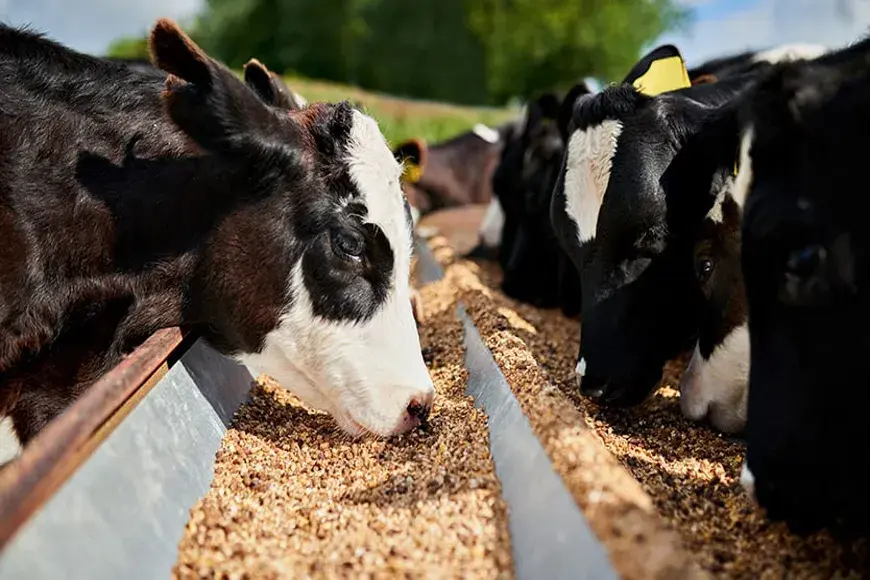
1) Herd Size, Species Mix, and Per‑Head Values
The number of animals and their per‑head value meaningfully influence premium. Seed-stock, show animals, and breeding livestock typically carry higher values than commercial stock. Accurate headcounts and up‑to‑date values (by class—cows, calves, bulls, ewes, does, rams, market hogs, etc.) prevent both overpaying and under insuring.
2) Property, Fencing, and Working Facilities
Underwriters look closely at your physical plant:
Barns, loafing sheds, parlours, and hay/storage buildings
Fencing, gates, and corrals (especially along public roads)
Working chutes, head gates, and handling systems
Electrical and fire‑prevention upgrades
Well‑maintained structures and secure fencing help reduce liability and property losses, positively impacting your livestock farm insurance pricing.
3) Liability Exposure and Public Interaction
Your liability profile increases when operations include:
Road‑adjacent pastures or cattle/horse escapes risk
Boarding/training (for horses) or agritourism activities
Sales, auctions, or events with visitor traffic
Farms with greater public exposure often require stronger liability limits and may see higher premiums, making documentation of controls (signage, visitor rules, waiver use, fencing checks) key.
4) Equipment, Vehicles, and Hauling Radius
Tractors, loaders, UTV/ATVs, trailers, and farm trucks affect inland marine and commercial auto premiums. Better rates are achievable with:
Locked, alarmed storage or camera coverage
Asset IDs/serial logs for equipment
Vehicle maintenance records, MVR checks, and safe‑driving policies
Defined hauling radius and secure trailer loading procedures
5) Employees, Payroll, and Safety Programs
If you employ ranch hands or farm staff, workers’ compensation can be a significant cost driver. Carriers reward:
Animal‑handling training and PPE policies
Equipment/vehicle safety (no‑phone rules, telematics, seat‑belt policies)
Return‑to‑work programs and incident reporting
Documented safety meetings
6) Claims History and Documentation
Insurers typically review 3–5 years of loss runs. Fewer, well‑managed claims help unlock preferred carriers, better deductibles, and stronger terms. Keep records of:
Fence/gate inspections
Equipment service/PM logs
Incident reports and corrective actions
Herd health and bio-security protocols

Get Accurate, Affordable Livestock Farm Insurance Today
Not every insurer understands herd valuation, fencing exposure, hauling risks, or mixed‑livestock operations. Wexford Insurance partners with top‑rated carriers that specialise in livestock farm insurance, helping owners set the right limits, deductibles, and endorsements, at competitive pricing.
👉 Request your livestock farm insurance quote from Wexford Insurance today and ensure your herd, property, and income are fully protected.


