
What Insurance Coverages Does a Pest Control Business Need?
Running a pest control business means working in environments most other contractors avoid—crawl spaces, kitchens, industrial facilities, and everywhere in between. You’re handling chemicals, entering client properties, and solving problems that can escalate quickly if something goes wrong. That’s exactly why pest control business insurance is not optional—it’s foundational to protecting your livelihood.
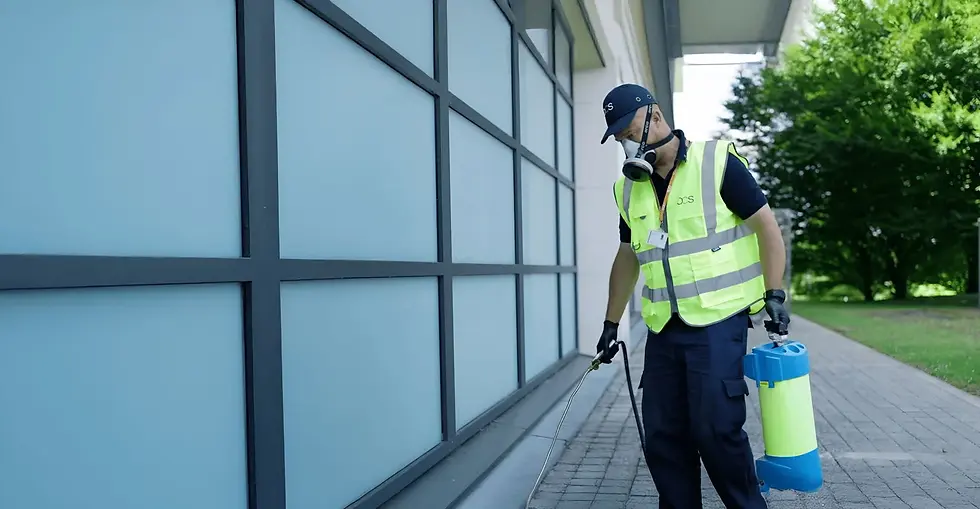
At Wexford Insurance, we’ve worked with pest control operators ranging from solo technicians to multi-truck operations. One thing is consistent across every client: the risks are real, and they’re often misunderstood until a claim happens.
As Nate Jones, CPCU, ARM, CLCS, AU, founder of Wexford Insurance, puts it:
“Pest control is one of those industries where a single mistake—whether it's chemical drift or property damage—can create a claim that far exceeds what most owners expect. The right insurance program is what keeps that mistake from turning into a business-ending event.”
In this guide, we’ll break down exactly what insurance coverages a pest control business needs, how they work together, and what we typically recommend based on real-world experience.
Average Cost of Pest Control Business Insurance
Before diving into each policy, it helps to understand what you can expect to pay. These are estimated ranges based on what we see across similar businesses.
Estimated range: $600 – $2,500 annually
Depends on revenue, services, and pesticide exposure
Higher limits (like $1M/$2M) are strongly recommended
Estimated range: $3,000 – $12,000+ annually
Heavily influenced by payroll and job duties
Chemical handling increases classification risk
Explore more at https://www.osha.gov/pesticides
Estimated range: $1,200 – $4,000 per vehicle annually
Based on driving records, vehicle type, and radius
Service vehicles with tanks or rigs may cost more
Business Owner’s Policy (BOP)
Estimated range: $800 – $3,000 annually
Bundles commercial property insurance and liability
Ideal for offices, storage spaces, or warehouses
Estimated range: $300 – $1,500 annually
Covers mobile tools and application equipment
Umbrella Insurance
Estimated range: $500 – $2,500 annually
Adds additional liability protection above core policies
These numbers are just guidelines. In Nate Jones’s experience as a former underwriting manager, pricing can swing significantly depending on chemical usage, certifications, and whether you handle high-risk infestations like termites or fumigation.

Essential Insurance Coverages for Pest Control Businesses
Let’s walk through each policy in detail and why it matters.
General liability insurance is the starting point for any pest control business.
It protects your company from:
Third-party injuries
Property damage
Legal defense costs
At Wexford, one of the most common claims we see is accidental property damage caused during treatment—like overspray staining hardwood floors or affecting nearby landscaping.
Another frequent exposure is misapplication of chemicals, especially indoors. Even a small mistake can lead to expensive remediation costs or lawsuits.
Nate Jones, CPCU, ARM, CLCS, AU, often advises pest control business owners to carry at least $1M per occurrence and $2M aggregate limits, particularly if they service commercial clients.
Learn more about this coverage on our https://www.wexfordins.com/general-liability-insurance/.
If you have employees, workers’ compensation insurance is essential—and often legally required.
It covers:
Medical expenses for injured workers
Lost wages during recovery
Rehabilitation and disability benefits
Pest control technicians face risks daily, including:
Chemical exposure
Respiratory issues
Slips and falls in confined spaces
Heat stress when working in attics or outdoors
At Wexford, we’ve seen claims arise simply from technicians repeatedly handling chemicals without proper PPE over time. These aren’t always immediate injuries—but they can still turn into costly claims.
You can explore more on our https://www.wexfordins.com/workers-compensation-insurance/.
Your vehicles are your mobile workplace. Commercial auto insurance protects your business when those vehicles are involved in accidents.
Coverage includes:
Liability for injuries or property damage
Vehicle repairs or replacement
Coverage for collisions and comprehensive incidents
This is especially important because many pest control vehicles:
Carry hazardous chemicals
Have specialized equipment installed
Travel frequently between job sites
In our experience, personal auto policies almost never cover these exposures. We’ve helped business owners recover from claims where a simple traffic accident escalated due to chemical transport.
Check out https://www.wexfordins.com/commercial-auto-insurance/ for more details.
Your sprayers, tanks, hoses, and safety gear aren’t just tools—they’re critical to your operation.
Inland marine insurance covers:
Equipment theft
Damage on job sites
Loss during transportation
At Wexford, we’ve seen theft claims occur overnight from vehicles or storage units. Without this coverage, replacing specialized pest control equipment can be expensive and disruptive.
Business Owner’s Policy (BOP)
A business owner’s policy bundles key coverages like:
Commercial property insurance
General liability
This is ideal if you:
Have an office location
Store chemicals or equipment
Maintain inventory
Property insurance protects against risks like fire, theft, and certain types of damage. For pest control businesses, proper storage of chemicals makes this coverage even more critical.
Learn more on our https://www.wexfordins.com/commercial-property-insurance/.
Umbrella Insurance
An umbrella policy sits on top of your liability coverage and provides additional protection when limits are exceeded.
This is particularly important if you:
Service large commercial clients
Work in sensitive environments (schools, healthcare facilities)
Handle higher-risk chemical treatments
One of the most common mistakes Nate Jones, CPCU, ARM, CLCS, AU sees pest control owners make is assuming their base liability limits are enough. In reality, a single serious claim can exceed those limits quickly.
Pollution Liability (Often Overlooked)
While not always included automatically, pollution liability insurance is highly relevant for pest control businesses.
It helps cover:
Chemical spills
Environmental damage
Contamination claims
According to the Environmental Protection Agency (EPA), pesticide misuse can result in environmental contamination and legal liability depending on how chemicals are handled and applied.(https://www.epa.gov/pesticide-worker-safety)
At Wexford Insurance, we strongly recommend reviewing this exposure with your agent.
What Factors Affect Pest Control Insurance Costs
Insurance pricing isn’t random—it’s based on specific risk factors tied to how your business operates.
Key factors include:
Type of pest control services (general vs. termite or fumigation)
Use of chemicals and toxicity levels
Annual revenue
Number of employees
Claims history
Vehicle usage and mileage
Safety protocols and training
For example, a company specializing in termite treatment will typically pay more than one doing basic residential pest control due to higher structural risk.
In Nate Jones’s experience as a former underwriting manager, underwriters pay close attention to how well your business documents its processes—especially chemical handling and customer communication.
How to Lower Your Pest Control Insurance Costs
You can actively reduce your insurance costs with smart risk management practices.
Here are strategies we regularly recommend:
Implement formal safety training programs for technicians
Use proper chemical handling and documentation procedures
Maintain clean driving records for all employees
Bundle policies through a Business Owner’s Policy (BOP)
Increase deductibles where financially appropriate
Work with an independent agency like Wexford Insurance to compare carriers
Keep detailed service logs and client sign-offs
At Wexford, we often help pest control clients restructure their coverage to eliminate gaps while also reducing unnecessary costs.
Frequently Asked Questions
What does general liability insurance cover for pest control businesses?
It covers third-party injuries, property damage, and legal expenses resulting from your services. This includes chemical mishaps and accidental damage during treatments.
Do pest control businesses need pollution liability insurance?
In many cases, yes. If you handle pesticides or chemicals, pollution liability helps cover environmental damage or contamination claims that standard policies may exclude.
Can I operate without insurance if I’m a solo technician?
You can, but it’s extremely risky. Even a single property damage claim can exceed what most small businesses can afford out of pocket.
Does my personal auto policy cover my work vehicle?
No. Personal auto insurance typically excludes business use, especially when transporting chemicals or equipment.
How do I get an insurance quote for my pest control business?
You provide details about your operations, vehicles, employees, and services. An independent agency like Wexford will then compare multiple carriers for you.
Why Pest Control Business Owners Choose Wexford Insurance
At Wexford Insurance, pest control isn’t just another industry we insure—it’s one we understand deeply.
We’ve helped businesses:
Navigate chemical liability concerns
Secure coverage for specialized equipment
Structure policies that meet commercial contract requirements
As a Trusted Choice independent agency, we represent multiple top-rated insurance carriers. That means we don’t push one-size-fits-all policies—we build custom insurance programs based on your operation.
Nate Jones, CPCU, brings a unique perspective with his background as an underwriting manager and his degree in Insurance and Risk Management from Indiana State University. That experience allows us to think like the insurance company—and advocate for you.
Protect Your Pest Control Business Today
Pest control work comes with real risks, but the right insurance gives you the confidence to keep growing your business without fear of a single mistake derailing everything.
Whether you’re just starting or scaling your operation, Wexford Insurance can help you build a coverage plan that actually fits the way you work.
Our office address is107 N State Road 135, STE 304, Greenwood, IN 46142
Call 317-942-0549 or visit https://www.wexfordins.com. We will compare multiple carriers and help you secure the right protection at the best possible price.


