
How Much Does Insurance Cost for a Hotel
Running a hotel isn’t just about occupancy rates and guest satisfaction—it’s about protecting everything you’ve built. From a slipped tile in the lobby to water damage in guest rooms or a shuttle accident, hotel owners face constant exposure to costly claims. That’s why one of the first questions we hear at Wexford Insurance is: how much does hotel insurance cost, and what should I budget?
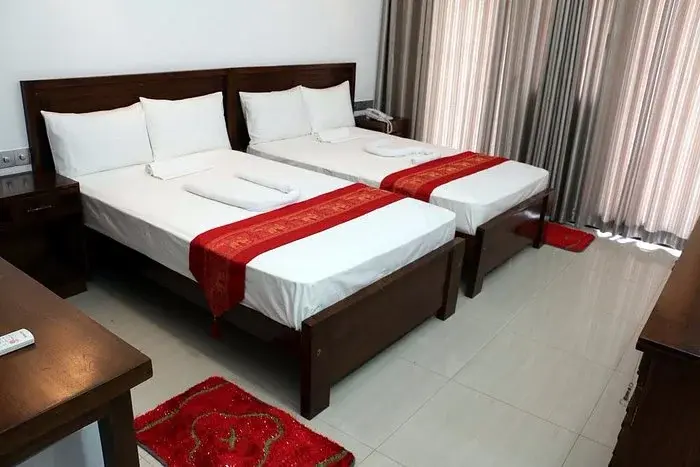
The reality is that hotel insurance pricing isn’t one-size-fits-all. In Nate Jones’s experience as a former underwriting manager, hotel risk profiles vary widely—even between properties with the same room count. The right insurance program depends on how your hotel operates, what services you offer, and how well you manage risk daily.
In this guide, we’ll break down realistic hotel insurance costs, what drives pricing, and how to control your premiums—based on what we see every day working with hospitality clients.
Average Hotel Insurance Cost Breakdown
Most hotel owners typically pay anywhere from several thousand to tens of thousands of dollars annually for a complete insurance program. The wide range is due to differences in size, amenities, staffing, and property values.
Below is a breakdown of the most important policies and estimated annual cost ranges.
General liability insurance protects your hotel if a guest or third party suffers bodily injury or property damage on your premises.
Estimated annual cost: $1,000 to $4,000+
Covers:
Slip-and-fall injuries
Pool or fitness center accidents
Property damage caused to guests
At Wexford Insurance, we’ve seen slip-and-fall claims as one of the most common losses in hotels—often due to wet floors near entrances or housekeeping activities. These claims can escalate quickly if injuries are involved.
Nate Jones, CPCU, ARM, CLCS, AU, explains it this way: "Hotels are high-foot-traffic environments, which makes liability exposure unavoidable. The goal isn’t eliminating risk—it’s transferring it properly through strong liability limits."
Commercial property insurance protects your building, rooms, furniture, fixtures, and equipment.
Estimated annual cost: $2,000 to $10,000+
Covers:
Fire damage
Theft or vandalism
Certain water damage (burst pipes, plumbing issues)
Your property is your primary asset. Coverage costs depend heavily on building value, construction type, fire protection systems, and occupancy rates.
In our experience, many hotel owners underestimate how much their FF&E (furniture, fixtures, and equipment) is worth—especially after renovations.
If you have employees, workers’ compensation insurance is typically required.
Estimated annual cost: $1,500 to $6,000+
Covers:
Housekeeping injuries
Lifting and back strain
Slips and falls during maintenance work
Hotel staff face physical demands daily. Housekeeping teams, in particular, are prone to repetitive stress injuries and lifting claims.
At Wexford, we’ve helped hotel operators reduce workers’ comp claims by implementing simple safety practices like proper lifting training and cart ergonomics.
For reference on workplace safety, OSHA provides helpful guidelines for hospitality businesses.
If your hotel operates any vehicles—such as airport shuttle vans—commercial auto insurance is essential.
Estimated cost: $1,200 to $3,500 per vehicle annually
Covers:
Vehicle damage
Liability in accidents
Injuries involving passengers or third parties
Driver records and vehicle usage significantly affect pricing. A shuttle running frequent airport routes carries much higher exposure than occasional use.
One of the most common mistakes Nate Jones, CPCU, ARM, CLCS, AU sees is failing to properly classify shuttle drivers, which can lead to coverage gaps.
If your hotel serves alcohol, liquor liability insurance is critical.
Estimated annual cost: $500 to $3,000+
Covers:
Claims arising from serving intoxicated guests
Injuries or property damage linked to alcohol consumption
Hotels with bars, banquet spaces, or event services carry significantly higher exposure. Even occasional alcohol service can create serious liability risks.
Business Owner’s Policy (BOP)
Many smaller hotels bundle coverage into a Business Owner’s Policy (BOP).
Combines:
General liability
Property insurance
Often more cost-effective than separate policies
However, larger or full-service hotels typically outgrow BOPs due to their complexity and need for customized coverage.

What Factors Affect Hotel Insurance Costs?
Insurance pricing comes down to risk, and hotels present layered exposures. Here are the biggest factors that influence what you’ll pay:
Size and Room Count
More rooms mean more guests, increased foot traffic, and higher liability exposure. A 20-room motel carries far less risk than a 150-room branded hotel.
Amenities and Services
Every added service increases risk:
Pools and spas increase injury exposure
Restaurants and kitchens introduce fire risk
Bars create liquor liability exposure
Fitness centers add equipment injuries
At Wexford, we often see premium increases when hotels expand services without updating their insurance program.
Property Value and Construction
Older buildings with outdated electrical or plumbing systems typically cost more to insure. Fire-resistant construction and sprinkler systems can reduce premiums.
Claims History
A history of frequent claims—especially liability or water damage—signals higher risk to insurers.
One of the most common mistakes Nate Jones, CPCU, ARM, CLCS, AU sees is failing to address recurring issues. For example, repeated slip-and-fall claims in the same area suggest a fixable hazard that should be corrected immediately.
Employee Count and Payroll
More employees mean higher workers’ compensation premiums. Job roles also matter—housekeepers and maintenance workers are considered higher risk than administrative staff.
Alcohol Sales
Hotels with significant alcohol revenue (bars, events, or weddings) will see higher liquor liability costs.
Vehicle Use
Operating shuttles or service vehicles increases both liability and auto insurance costs, especially with frequent driving.
Insurance Considerations for Hotel Owners
While laws vary by location, there are general compliance standards and industry expectations that every hotel owner should understand.
Workers’ Compensation Obligations
In most cases, businesses with employees are required to carry workers’ compensation insurance. This protects both the employee and the business in case of workplace injury.
Guest Safety and Premises Liability
Hotels are considered public-facing businesses, meaning they are expected to maintain safe conditions for guests. Failure to do so can result in liability claims.
You can learn more about general liability exposure from the Insurance Information Institute.
Alcohol Service Responsibility
Hotels serving alcohol have a duty to serve responsibly. Over-service can result in serious liability claims if it leads to injury or accidents.
Property Protection Expectations
Lenders often require property insurance before financing a hotel. Coverage limits must reflect the actual replacement cost of the building—not just market value.
How to Lower Your Hotel Insurance Costs
Managing insurance costs doesn’t mean cutting coverage. It means controlling risk and presenting a strong profile to underwriters.
Here are proven ways to reduce premiums:
Implement strong housekeeping safety protocols
Reduce slip-and-fall risks with clear cleaning procedures and signage.
Install or update security systems
Cameras and controlled access can lower theft and liability exposure.
Train staff regularly
Especially for lifting techniques, emergency response, and alcohol service.
Bundle coverages
Combining policies into a coordinated program often reduces cost.
Increase deductibles strategically
Higher deductibles can lower premiums—but should match your cash flow comfort level.
Maintain your property proactively
Fix plumbing leaks, worn flooring, and lighting issues before claims occur.
Review your policy annually
Anytime you add a new service or renovate, your coverage should be updated.
At Wexford Insurance, we’ve seen clients significantly lower long-term insurance costs simply by addressing repeat claim triggers and improving documentation.
Frequently Asked Questions
How much does hotel insurance cost for a small property?
Smaller hotels and motels typically fall on the lower end of the cost range, often paying a few thousand dollars annually. However, even small properties can see higher costs if they have pools, older buildings, or prior claims.
Is general liability insurance necessary for hotels?
Yes. General liability insurance is essential because hotels interact with the public daily. Without it, a single injury claim could create significant financial strain.
Does hotel insurance cover guest belongings?
In most cases, guest belongings may be covered under certain liability scenarios, but not all situations are included. Specific coverage depends on your policy details and endorsements.
Can I bundle hotel insurance policies?
Yes. Many hotel owners combine liability, property, and business interruption coverage into a package policy for simplicity and cost efficiency.
What is business interruption coverage for hotels?
Business interruption insurance helps cover lost income if your hotel cannot operate due to a covered event, such as a fire or severe property damage. This is especially important in hospitality, where downtime directly impacts revenue.
Why Hotel Owners Choose Wexford Insurance
At Wexford Insurance, we don’t believe in generic insurance programs. Every hotel is different, and your coverage should reflect that.
Our agency was founded by Nate Jones, CPCU, ARM, CLCS, AU—a graduate of Indiana State University with a degree in Insurance and Risk Management. Before starting Wexford,
Nate Jones, CPCU, ARM, CLCS, AU) worked as an underwriting manager, giving him an inside understanding of how carriers evaluate risk.
We are a Trusted Choice independent agency, which means we represent multiple insurance carriers. That allows us to shop the market and build a program tailored specifically to your hotel—not force you into a one-size-fits-all policy.
At Wexford Insurance, we’ve helped hotel owners navigate everything from liability claims tied to guest injuries to complex property losses involving water damage and business interruption. Our goal is simple: protect your business while making sure you’re not paying for coverage you don’t need.
Get a Hotel Insurance Quote Today
Understanding how much hotel insurance costs is just the first step. The most important part is building a policy that actually protects your business when something goes wrong.
Wexford Insurance is headquartered at:107 N State Road 135, STE 304,Greenwood, IN 46142
Call 317-942-0549 or visit www.wexfordins.com. We will compare multiple carriers and help you secure the right protection at the best possible price.


