What Does General Liability Insurance for a Duplex Rental Property Cover?
Owning a duplex often feels like a smart, stable investment. Two income streams under one roof, predictable rent, and long-term appreciation—it’s a model that works. But if you’ve owned rental property for any length of time, you know things don’t always go according to plan.
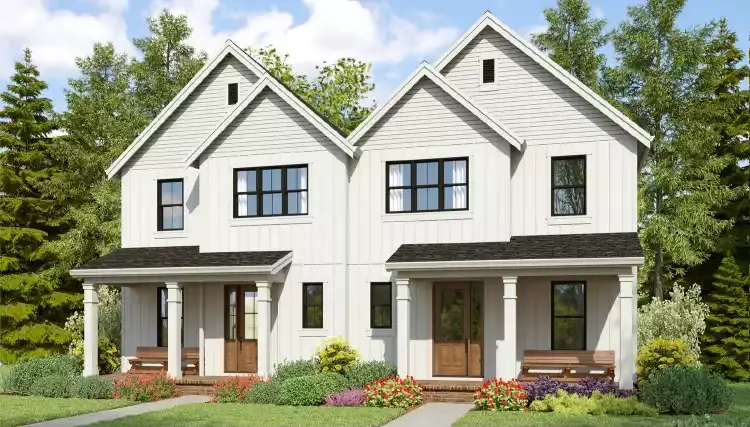
At Wexford Insurance, we’ve worked with many duplex owners who thought they had everything under control—until an unexpected accident turned into a liability claim. A tenant slips on the steps, a guest trips in the shared driveway, or a contractor damages a neighboring property. These situations happen more often than most owners expect, which is why understanding general liability insurance for a duplex is critical.
If you’re evaluating coverage or requesting an insurance quote for a duplex, this guide will walk you through exactly what liability insurance covers, what it doesn’t, and how to protect your investment the right way.
Average Cost of Duplex Insurance Coverage
Before diving into coverage details, it helps to understand typical cost ranges. Duplex insurance is usually structured as a package policy, with general liability being one key component.
Below are estimated annual ranges based on what we commonly see at Wexford Insurance. Your exact premium will depend on your property, tenant profile, and coverage limits.
Estimated range: $250–$900 per year
Typical limits: $1M per occurrence / $2M aggregate
This portion covers third-party injuries and property damage claims involving your duplex.
Estimated range: $800–$3,500+ per year
Covers the building structure, roofing, systems, and fixtures
Costs vary widely depending on construction type, age, condition, and replacement cost.
Business Owner’s Policy (BOP)
Estimated range: $1,200–$4,000+ per year
Bundles property + liability coverage into one policy
For many duplex owners, a BOP is the most efficient way to structure coverage.
Typically included or added for a moderate additional cost
Protects your income if the property becomes uninhabitable after a covered loss
Umbrella / Excess Liability
Estimated range: $150–$600+ per year for $1M in additional coverage
Provides extra protection above your base liability limits

As Nate Jones, CPCU, ARM, CLCS, AU, explains:
“In my experience as a former underwriting manager, duplex owners often underestimate how quickly liability claims can exceed $1 million. That’s why we frequently recommend considering umbrella coverage—it’s one of the most cost-effective ways to protect your equity.”
What Does General Liability Insurance for a Duplex Cover?
General liability insurance protects you when someone outside your household or ownership structure claims your property caused injury or damage.
1. Bodily Injury Claims
This is the most common type of claim we see for duplex owners.
Coverage includes:
Medical expenses
Legal defense costs
Settlements or judgments
Real-world examples:
A tenant slips on icy front steps
A visitor trips over uneven pavement
A delivery driver falls on a poorly lit walkway
At Wexford Insurance, one of the most common claims we see involves slip-and-fall incidents in shared spaces—especially in entryways, staircases, and parking areas.
2. Property Damage to Others
If your property—or something connected to it—causes damage to someone else’s property, liability coverage helps pay for repairs or replacement.
Examples include:
A tree from your property falls onto a neighbor’s vehicle
Water intrusion from your duplex causes damage next door
A contractor working on your property damages a nearby structure
These claims can escalate quickly, especially when multiple parties are involved.
3. Legal Defense Costs
Even if a claim is unfounded, defending yourself in court is expensive. Liability insurance covers:
Attorney fees
Court costs
Investigation expenses
This applies whether the claim is legitimate or not.
Nate Jones CPCU, ARM, CLCS, AU often explains it this way:
“One of the biggest misconceptions I see is that you only need insurance if you’re at fault. The reality is, legal defense costs alone can be financially draining—even when the claim doesn’t hold up.”
4. Medical Payments (MedPay)
This is a smaller, no-fault coverage designed to handle minor injuries quickly.
For example:
A guest trips and requires urgent care
A tenant’s visitor needs stitches after an accident
MedPay can often resolve smaller incidents before they turn into lawsuits.
What Factors Affect Duplex Liability Insurance Costs
Even without focusing on a specific location, several key factors influence how much you’ll pay for liability coverage.
Property condition
Older properties or those with deferred maintenance typically carry higher premiums due to increased risk.
Occupancy type
Owner-occupied duplexes often cost less to insure
Fully tenant-occupied properties may carry higher risk
Number of tenants and turnover
Frequent turnover increases exposure to unfamiliar occupants and guests.
Maintenance practices
Well-maintained properties tend to generate fewer claims—and lower premiums over time.
Coverage limits
Higher limits naturally increase cost, but they also provide significantly better protection.
Claims history
A history of liability claims can raise premiums or limit carrier options.
At Wexford Insurance, we’ve found that proactive property owners—those who document maintenance and address hazards quickly—tend to qualify for better insurance options.
Key Insurance Requirements and Legal Considerations for Duplex Owners
While insurance requirements vary depending on financing and local regulations, several general expectations apply to most duplex owners.
Workers’ Compensation Requirements (If Applicable)
If you hire:
Maintenance staff
Property managers (in certain arrangements)
Cleaning crews or contractors
You may be required to carry workers’ compensation insurance depending on how those workers are classified.
Learn more about https://www.wexfordins.com/workers-compensation.
Mortgage Lender Requirements
If your duplex is financed, your lender will almost certainly require:
Property insurance
Liability coverage
Proof of coverage at closing and renewal
Failure to maintain coverage can result in force-placed insurance, which is typically much more expensive.
Habitability and Premises Liability Standards
Property owners have a legal duty to maintain safe living conditions. This includes:
Proper lighting
Safe staircases and railings
Addressing known hazards
Failing to meet these standards increases your liability exposure.
You can review general landlord responsibilities through resources like the U.S. Department of Housing and Urban Development:https://www.hud.gov
Insurance Disclosure and Lease Considerations
Many duplex owners also:
Require tenants to carry renters insurance
Include liability disclaimers in lease agreements
While this doesn’t replace your coverage, it can reduce risk exposure.
What General Liability Does NOT Cover
Understanding the gaps in coverage is just as important.
General liability insurance does not cover:
Damage to your own duplex (covered under property insurance)
Tenant belongings (covered by renters insurance)
Intentional acts or negligence
Wear and tear or maintenance issues
How to Lower Your Duplex Insurance Costs
Here are practical ways to reduce premiums without sacrificing protection:
Install safety features (lighting, handrails, security cameras)
Maintain clear walkways and parking areas year-round
Require tenants to carry renters insurance
Increase your deductible to lower premiums
Document regular maintenance and inspections
Consider adding an umbrella policy instead of overloading your base policy
At Wexford Insurance, we regularly help duplex owners restructure policies to improve both coverage and cost efficiency.
Real-World Example: Why Liability Coverage Matters
At Wexford Insurance, we recently worked with a duplex owner who had a seemingly minor issue—a loose handrail on an exterior staircase.
A tenant’s guest used the stairs, lost balance, and suffered an injury. What started as a simple repair turned into:
A medical claim
A liability investigation
Legal involvement
Because the owner had proper general liability insurance, the policy covered legal costs and settlement expenses. Without it, the financial impact could have been severe.
FAQ About General Liability Insurance for Duplex Properties
1. Do I really need liability insurance for a duplex?
Yes. Even well-maintained properties carry risk. Liability insurance protects you from potentially costly lawsuits and medical claims.
2. Does liability insurance cover tenants?
Yes, it typically covers tenant injuries, as well as injuries to guests, delivery drivers, and other third parties.
3. Is liability included in duplex insurance policies?
In most cases, yes. It’s usually bundled as part of a broader property or landlord insurance policy.
Explore more about https://www.wexfordins.com/commercial-property-insurance.
4. How much liability coverage should I carry?
Most duplex owners carry at least $1M/$2M in coverage, but higher limits or umbrella policies are often recommended.
5. Does liability insurance cover lawsuits?
Yes. It covers defense costs, settlements, and judgments related to covered claims.
Why Duplex Owners Choose Wexford Insurance
At Wexford Insurance, duplex coverage is not something we treat as a commodity. We understand that rental properties are long-term investments, and protecting them requires more than a basic policy.
Nate Jones, CPCU—our founder and Director of Insurance—brings a unique perspective. With a background as an underwriting manager and a degree in Insurance and Risk Management from Indiana State University, he approaches every policy with a deep understanding of risk.
As a Trusted Choice independent agency, we represent multiple top-rated carriers. That means we don’t push one solution—we compare options across the market to find the best fit for your property.
Our team, including professionals like Kyle Starnes and Crystal Reeves (with over 20 years of experience), works directly with property owners to:
Identify hidden risks
Customize liability limits
Structure policies for long-term protection
Get the Right Protection for Your Duplex
Your duplex isn’t just a building—it’s a financial asset that deserves the right protection.
At Wexford Insurance, we make the process simple. We’ll review your property, explain your options clearly, and help you choose coverage that actually protects you when it matters most.
Our office address is107 N State Road 135, STE 304,Greenwood, IN 46142
Call 317-942-0549 or visit www.wexfordins.com. We will compare multiple carriers and help you secure the right protection at the best possible price.