
Forklift Accidents at a Warehouse: Which Insurance Policies Respond to Damage and Operator Injury
Forklifts help warehouses move inventory, load trucks, and manage daily operations. However, an accident can result in injured employees, damaged equipment, destroyed merchandise, or claims from customers and delivery drivers. Understanding which insurance policies respond can help warehouse owners avoid unexpected financial responsibilities.
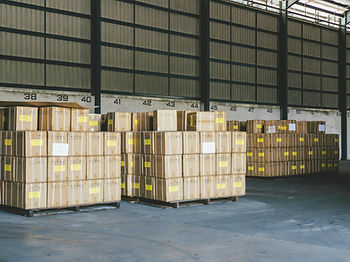
Warehouse forklift accident insurance is not one standalone policy. Different types of coverage may respond depending on who was injured, who owns the damaged property, and how the accident happened. Warehouse businesses can also review warehouse insurance options to understand specialized coverage for their operations.
In general, workers' compensation may address eligible employee injuries, general liability may respond to certain third-party injury and property damage claims, and commercial property or equipment insurance may cover eligible damage to business-owned assets. When customer inventory is involved, warehouse legal liability may also become relevant.
Which Insurance Policies Respond to Warehouse Forklift Accidents?
A forklift accident can involve several insurance policies. The important distinction is that each policy serves a different purpose. Having one type of business insurance does not mean every loss involving a forklift is covered.
Workers' Compensation for Injured Forklift Operators
When an employee gets injured while operating a forklift during work, workers' compensation is generally the first policy to review.
Depending on state law and the policy, workers' compensation may provide:
Medical expenses for eligible workplace injuries.
Partial wage replacement during an approved recovery period.
Disability benefits when an injury affects the employee's ability to work.
Benefits for eligible dependents following a covered workplace death.
For example, an employee may suffer a leg injury when a forklift tips over while carrying a heavy pallet. Workers' compensation may help pay eligible medical expenses and provide applicable wage benefits.
However, coverage depends on the circumstances, applicable state requirements, and policy terms.
Workers' compensation does not generally pay to replace a damaged forklift, repair warehouse shelving, or reimburse the business for destroyed inventory.
Warehouse employers should also understand their state-specific obligations for employee coverage. Requirements, exemptions, and benefits vary by state.
General Liability for Third-Party Injuries and Property Damage
Commercial general liability insurance may respond when a forklift accident causes bodily injury or property damage to someone outside the business.
Potential situations include:
A delivery driver gets struck by a forklift.
A visiting customer is injured inside the warehouse.
A contractor's equipment is damaged during warehouse operations.
A forklift strikes property belonging to another business.
The policy may cover eligible legal liability claims, including certain defense costs, subject to its terms and limits.
General liability does not replace workers' compensation for employee injuries. It also does not automatically cover damage to property owned by the warehouse or every item stored on behalf of a customer.
Warehouse operators should understand these distinctions when reviewing their liability protection.
Explore more in our guide: Warehouse General Liability Insurance: Coverage for Visitors, Delivery Drivers, and Loading Dock Injuries
Commercial Property Insurance for Warehouse Damage
A forklift can cause physical damage to warehouse buildings and business property.
Examples include damaged walls, loading dock doors, electrical installations, storage racks, and other insured building components.
Commercial property insurance may respond when covered business property suffers damage from an insured cause of loss.
Important considerations include:
Whether the building is insured under the policy.
Whether the damaged property belongs to the business.
Whether the cause of damage is covered.
Applicable deductibles and exclusions.
Whether the business owns or leases the facility.
For example, a warehouse tenant may damage a loading dock door with a forklift. The landlord's property policy and the tenant's liability policy may both need to be reviewed, depending on ownership, responsibility, and policy wording.
Businesses should not assume that a landlord's insurance automatically protects their equipment, inventory, or other business property.
Equipment Insurance for Damaged Forklifts
The forklift itself can be one of the largest financial exposures following an accident.
If a forklift is damaged in a collision, rollover, or another incident, the business may need equipment physical damage coverage.
Depending on the policy, inland marine or specialized equipment insurance may protect eligible mobile equipment against covered physical damage.
Warehouse owners should review coverage for:
Owned forklifts.
Leased and rented equipment.
Electric and propane-powered forklifts.
Specialized lifting attachments.
Equipment used at multiple locations.
Some policies require equipment to be specifically scheduled or identified. Others contain limitations involving rented equipment, equipment breakdown, or certain types of damage.
A warehouse should confirm how its forklifts are insured rather than assuming standard commercial property insurance provides complete protection.

Warehouse Legal Liability for Damaged Customer Goods
Not all inventory inside a warehouse belongs to the warehouse operator.
Third-party logistics providers, public warehouses, and contract storage facilities regularly handle merchandise owned by customers. If a forklift damages those goods, the warehouse may face a demand for compensation.
This is where warehouse legal liability becomes important.
Warehouse legal liability insurance is designed to address certain legal liability claims involving customers' goods in the warehouse operator's care, custody, or control.
For example, an employee may accidentally strike a pallet containing a customer's electronics while moving inventory between storage locations. Whether the warehouse is legally responsible and whether the policy responds depend on the circumstances, contractual obligations, and coverage terms.
Warehouse operators should review warehouse legal liability coverage when evaluating protection for merchandise belonging to other businesses.
Important policy details include covered causes of loss, exclusions, valuation methods, deductibles, and limits per occurrence or customer.
Who Needs Forklift Accident Insurance?
Businesses that regularly use forklifts should evaluate their insurance arrangements, regardless of warehouse size.
Warehouse Owners and Operators
Public warehouses, distribution centers, fulfillment facilities, and third-party logistics providers face different exposures depending on the goods they handle and the services they provide.
A business storing customer merchandise may need to address legal liability for those goods in addition to its own building, equipment, and employee exposures.
Warehouse Tenants and Landlords
Warehouse landlords and tenants usually have different insurance responsibilities.
The landlord may insure the building, while the tenant may be responsible for business equipment, inventory, operations, and certain liability exposures.
Lease agreements may require tenants to maintain general liability and property insurance, along with specific limits or additional insured provisions.
Before signing a lease, businesses should review Leasing Warehouse Space: Which Insurance Clauses Tenants Should Review Before Signing to understand how insurance responsibilities can affect their operations.
Customers and General Contractors
Customers may require warehouses to provide evidence of insurance before agreeing to storage or distribution arrangements.
General contractors and project owners may also request certificates of insurance when warehouse services support construction or commercial projects.
These requirements depend on the agreement. A certificate provides evidence of insurance but does not create coverage or change the policy wording.
What Does Warehouse Forklift Insurance Not Automatically Cover?
Having multiple insurance policies does not guarantee that every forklift-related loss is covered.
Damage to Customer Property
General liability policies commonly contain exclusions or limitations for certain property in the insured's care, custody, or control.
Warehouse legal liability may address specific customer goods exposures, but it is not automatic protection for every damaged shipment.
Mechanical Breakdown
A forklift that stops working because of ordinary wear, poor maintenance, or mechanical failure may not qualify for coverage under standard equipment physical damage insurance.
Equipment breakdown coverage may address certain sudden and accidental mechanical or electrical failures, subject to its terms.
Intentional Acts and Unsafe Operations
Policies contain exclusions and conditions that may affect claims involving intentional conduct or prohibited activities.
An accident involving an improperly trained operator does not automatically determine whether insurance will respond. The circumstances and applicable policy provisions must be reviewed.
Business Interruption
If forklift damage causes warehouse operations to stop, the business may lose income while repairs are completed.
Business interruption coverage may address certain income losses when the interruption results from covered physical damage to insured property and the policy requirements are satisfied.
It does not cover every operational delay or loss of revenue.
What Factors Affect the Cost of Warehouse Forklift Insurance?
There is no standard premium for warehouse forklift insurance. Pricing depends on the business's operations, equipment, property values, claims history, and selected coverage.
Number and Value of Forklifts
Insurers may consider how many forklifts the business operates, their replacement values, lifting capacities, and whether the equipment is owned, rented, or leased.
Warehouse Operations and Inventory
The size of the facility, storage arrangements, loading dock activity, and types of goods handled may affect underwriting.
Warehouses storing high-value or specialized merchandise may have different exposures from facilities handling ordinary commercial inventory.
Employee Training and Safety Procedures
Insurers may review operator training, equipment maintenance, inspection procedures, pedestrian controls, and workplace safety programs.
OSHA requires employers to establish forklift operator training programs that include formal instruction, practical training, and workplace evaluation.
Businesses can review OSHA's Powered Industrial Truck Operator Training Requirements for official guidance.
Claims History and Coverage Limits
Previous losses, requested coverage limits, deductibles, and the business's risk management practices may influence underwriting decisions.
Maintaining inspection records and documenting operator training can help demonstrate how the business manages forklift-related hazards.
How Can a Warehouse Get the Right Insurance Coverage?
Getting appropriate insurance starts with understanding the business's equipment, property, employees, and contractual responsibilities.
Before requesting a quote, prepare the following information:
Business operations: Explain whether the facility handles storage, distribution, fulfillment, or third-party logistics.
Forklift information: Provide the number, type, ownership status, and estimated value of the equipment.
Employee details: Share employee counts, operator responsibilities, and training procedures.
Property values: Identify building values, business equipment, and inventory exposures.
Customer agreements: Explain responsibilities involving stored goods, loading, unloading, and property damage.
Existing insurance: Provide current coverage limits, deductibles, and available claims history.
Also review OSHA's Warehousing Hazards and Solutions for information about forklift safety, pedestrian protection, equipment maintenance, and material handling.
An experienced insurance professional can use these details to evaluate the business's exposures and identify appropriate coverage options.
The objective is to understand which policy may respond to each type of loss and whether any important gaps exist between insurance coverage and contractual obligations.
Frequently Asked Questions About Warehouse Forklift Insurance
Does general liability cover forklift accidents?
General liability may cover certain third-party bodily injury and property damage claims arising from covered operations. Employee injuries and damage to the warehouse's own equipment generally involve other policies.
Does workers' compensation cover forklift operator injuries?
Workers' compensation generally provides benefits for eligible work-related employee injuries. Applicable state laws and policy provisions determine the available benefits.
Who pays when a forklift damages customer inventory?
Responsibility depends on the circumstances, the warehouse agreement, and applicable law. Warehouse legal liability insurance may address certain covered claims involving customer merchandise.
Does commercial property insurance cover forklift damage?
It may cover physical damage to insured property caused by a covered event. Ownership, exclusions, deductibles, and policy conditions affect the outcome.
Do leased forklifts need separate insurance?
The warehouse should review its lease agreement and existing equipment policies. The contract may establish insurance responsibilities, and additional coverage may be necessary.
Review Your Warehouse Insurance Before an Accident Happens
Forklift accidents can create several financial exposures, including employee injuries, third-party liability claims, damaged equipment, and customer inventory losses.
Warehouse owners should review workers' compensation, general liability, commercial property, equipment insurance, and warehouse legal liability together. Each policy serves a different purpose, and coverage should reflect the actual operations of the facility.
Wexford Insurance helps businesses evaluate their commercial insurance needs and available warehouse coverage options. Warehouse operators can visit Warehouse Guard to explore insurance solutions for storage, distribution, and warehousing operations.
A careful review of equipment, inventory, employee exposures, and customer agreements can help businesses make more informed insurance decisions.

