
Church Insurance Providers: How to Choose Coverage for Your Congregation
Churches are more than buildings. They are gathering places, community centers, and sometimes even emergency shelters. But when something goes wrong—fire, theft, injury, or storm damage—the financial impact can be overwhelming.
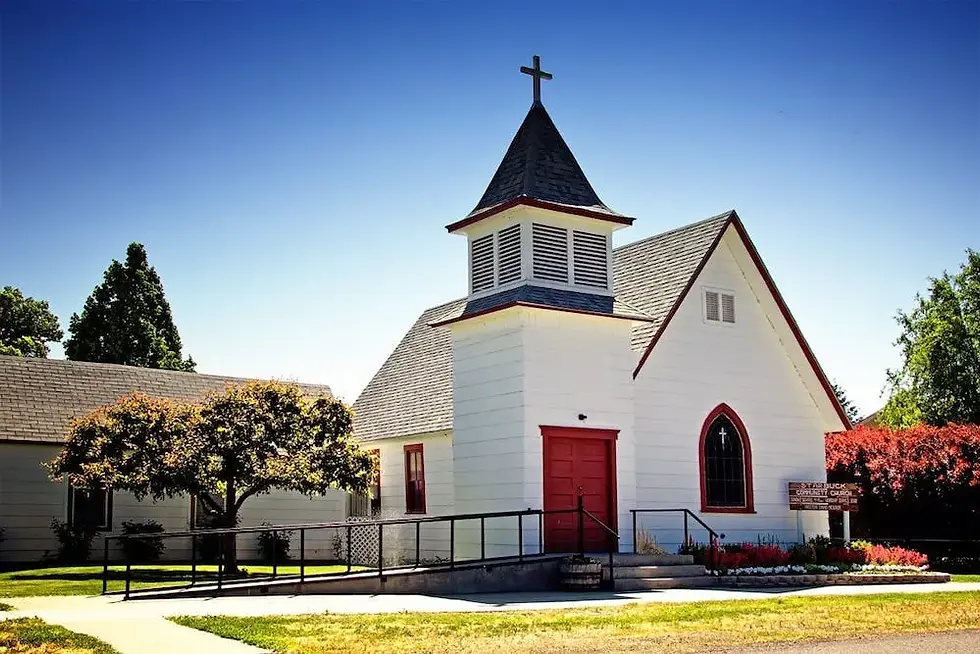
That’s why choosing the right church insurance providers matters more than most people realize. The right coverage helps protect your property, volunteers, staff, and the people who walk through your doors every week.
In this guide, we’ll break down how church insurance providers work, what coverage churches typically need, and how to choose protection that actually fits your congregation—not just a generic policy that leaves gaps.
What Church Insurance Covers
Church insurance is not one single policy. It’s usually a package of coverages designed for religious organizations.
Most insurance for churches typically includes protection for buildings, liability risks, and church operations. While every policy is different, here are the core areas many churches consider.
This may help repair or replace church buildings and contents after covered events like fire, wind, or vandalism. It can include:
Sanctuaries and fellowship halls
Offices and classrooms
Musical instruments, sound systems, and furniture
This helps protect against claims if someone is injured on church property or during church events. For example, a slip-and-fall in a hallway or parking lot.
Some policies may include coverage for pastors, staff, or board members in case of certain legal claims related to their duties.
Additional Coverages (Optional)
Depending on the provider, churches may also consider:
Abuse and molestation coverage (often required in modern policies)
Cyber liability protection for church websites and donation systems
Business interruption coverage if services are temporarily halted
Every congregation is different, so coverage is usually customized.

Why Churches Need Specialized Insurance Providers
You might wonder why a church can’t just use a standard business policy. The short answer: churches don’t operate like typical businesses.
Religious organizations face unique risks, including:
Volunteer-led activities and youth programs
Large public gatherings
Counseling and pastoral care situations
Community events outside the church building
Because of this, church insurance coverage needs to account for risks that regular commercial policies may not fully address.
Specialized church insurance providers understand these situations better and can structure policies that reflect real-world church operations.
Key Types of Coverage Churches Should Understand
When reviewing options, it helps to break coverage into clear categories. This makes it easier to compare providers and policies.
Property Insurance for Churches
This protects physical assets like buildings, equipment, and furnishings. It is often one of the largest parts of a church policy.
General Liability Insurance
This is essential for protecting against third-party injury claims. Many churches see this as the foundation of their insurance plan.
Directors and Officers Coverage
This may help protect church leadership from claims related to governance decisions, financial management, or administrative actions.
Crime and Theft Coverage
Churches handle donations, offering collections, and sometimes even cash handling. This coverage may help protect against theft or fraud.
Commercial Auto Coverage
If your church owns a bus, van, or transport vehicle, this coverage may apply when transporting members or staff.
How to Choose Church Insurance Providers for Your Congregation
Choosing the right church insurance providers is about more than price. It’s about making sure your policy matches how your church actually operates.
Here’s a simple process churches can follow:
Start by understanding your risks. Walk through your property and activities. Do you run youth programs? Food drives? Community events? Each activity adds potential exposure.
Next, compare coverage—not just cost. Two policies may look similar, but one may include key protections like abuse liability or cyber coverage while the other does not.
Then, review limits and exclusions carefully. Limits determine how much protection you actually have. Exclusions show what is not covered, which is just as important.
Finally, work with a licensed insurance agent who understands religious organizations. They can help match your church’s size, location, and activities with the right coverage structure.
In short, the best church insurance providers are the ones that tailor coverage to your ministry—not the other way around.
Common Mistakes Churches Make When Choosing Insurance
Even well-run churches can make simple mistakes when selecting coverage.
Choosing Based on Price Alone
Cheaper is not always better. Lower-cost policies may reduce coverage in key areas.
Ignoring Volunteer Activities
Many churches rely heavily on volunteers, but not all policies automatically account for volunteer-related risks.
Not Reviewing Coverage Annually
Church activities change over time. A policy that worked five years ago may not fit today’s programs.
Overlooking Cyber Risks
Online giving and digital communication are now standard. Without cyber coverage, churches may be exposed to data breach risks.
Assuming “Basic Liability” Is Enough
Basic liability may not cover leadership decisions, abuse claims, or property loss.
What Affects Church Insurance Costs
While we won’t focus on exact pricing, several factors typically influence how church insurance providers structure premiums:
Size of the congregation
Location and local risk factors
Property value and building age
Types of programs and events offered
Security and safety measures in place
Costs vary widely, but most churches should expect coverage to reflect their unique operations rather than a flat standard rate.
Helpful External Resources for Churches
Churches often benefit from understanding broader safety and compliance guidelines. These non-commercial resources can help:
IRS information for nonprofit organizations: https://www.irs.gov/charities-non-profits
SBA disaster assistance programs: https://www.sba.gov/
These resources help churches prepare for emergencies, understand tax responsibilities, and access support during disasters.
FAQs – Church Insurance Providers
What do church insurance providers typically cover?
They typically cover property damage, liability claims, leadership protection, and optional add-ons like cyber or abuse coverage, depending on the policy.
Do small churches really need insurance?
Yes. Even small congregations face risks like injuries, property damage, or theft. Insurance helps reduce financial exposure.
Is church insurance required by law?
It is not usually required by law, but it may be required by lenders, landlords, or event agreements.
Can a church customize its insurance policy?
Yes. Most church insurance providers offer customizable policies based on size, activities, and property value.
What is the most important coverage for churches?
General liability and property coverage are often considered foundational, but every church’s needs may differ.
Final Thoughts
Choosing the right church insurance providers is about protecting more than just buildings. It’s about safeguarding people, programs, and the mission of the congregation.
A strong policy is not one-size-fits-all. It reflects how your church operates today and adapts as your ministry grows.
Working with an experienced insurance professional can help ensure nothing important is overlooked.
If your congregation is reviewing coverage or planning, Wexford Insurance can help you explore options and build a policy that fits your needs. Request a free, no-obligation quote today at 317-942-0549 or visit www.wexfordins.com and get clarity on your church’s protection.


