
Workers’ Comp Requirements for Saltwater Hauling Companies - Oilfield Zones
Saltwater (produced water) hauling is one of the highest‑risk operations in oilfield logistics. Drivers regularly transport loads containing hydrocarbons, chemicals, and highly contaminated formation water, often across long distances, rugged lease roads, and congested operator sites. Because of the elevated risks, Workers’ Compensation Insurance (WC) is mandatory for nearly all saltwater hauling companies operating in U.S. oilfield zones.
Regulators and operators have tightened compliance, and hauling companies must meet strict workers’ comp requirements before stepping onto a job site.
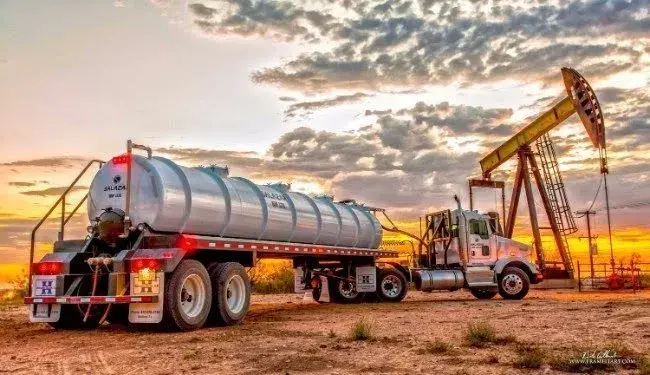
Why Workers Compensation Is Essential for Saltwater Haulers
Produced water is chemically complex, containing salts, hydrocarbons, metals, and other hazardous components that pose environmental and health exposure risks during spills or handling incidents.
In the Permian Basin, for every barrel of oil produced, operators generate four to six barrels of produced water, causing high hauling volumes and increased driver exposure.
Oilfield hauling is classified as a high‑hazard occupation due to:
Hose pressure failures
Load‑related injuries
Highway incidents involving hazardous liquids
Site hazards governed under OSHA’s oil & gas extraction rules (29 CFR 1910)
These risks make workers’ comp coverage indispensable.
Basic Workers’ Comp Requirements
Most oilfield operators and states require saltwater hauling companies to provide:
1. Workers’ Compensation for All Employees
Workers’ Compensation must cover:
Medical costs
Lost wages
Rehabilitation
Disability benefits
Saltwater hauling involves high‑risk manual tasks, loading operations, and produced‑water exposure, making WC mandatory to protect drivers and field techs.
2. Operator‑Specific Limits
Many E&P companies require WC limits that match their Master Service Agreements (MSAs). For example, operators commonly require:
Statutory workers’ comp
Employer’s liability limits (often $1M+)
Proof of coverage before issuing a gate pass
Failure to meet MSA requirements results in automatic contractor disqualification.
3. OSHA & Safety Compliance
Operators require proof of:
OSHA‑aligned safety programs (oil & gas extraction standards)
Driver training and certifications
Incident reporting logs
Drug & alcohol compliance
Strong safety compliance helps reduce experience mods (EMR), which directly impact workers’ comp premiums.

Protect Your Saltwater Hauling Business With Wexford Insurance
Saltwater haulers face unique workers’ comp challenges, from exposure risks to operator insurance requirements. Wexford Insurance specialise in oil & gas businesses nationwide and helps hauling companies secure WC, Auto, GL, Pollution Liability, and Umbrella coverage that meets operator standards.
👉 Request your oilfield workers’ comp quote from Wexford Insurance today and keep your hauling operation compliant and protected.


