
What Insurance Coverages Does a Multifamily Rental Property Need?
Owning a multifamily rental property can be a strong long-term investment—but it also comes with concentrated risk. When you have multiple tenants sharing hallways, staircases, parking lots, and building systems, a single incident can quickly escalate into a costly claim.
A tenant slipping on wet stairs, a kitchen fire spreading between units, or a burst pipe flooding multiple apartments can disrupt operations and income overnight. That’s why understanding what insurance coverages a multifamily rental property needs is critical to protecting both your building and your cash flow.
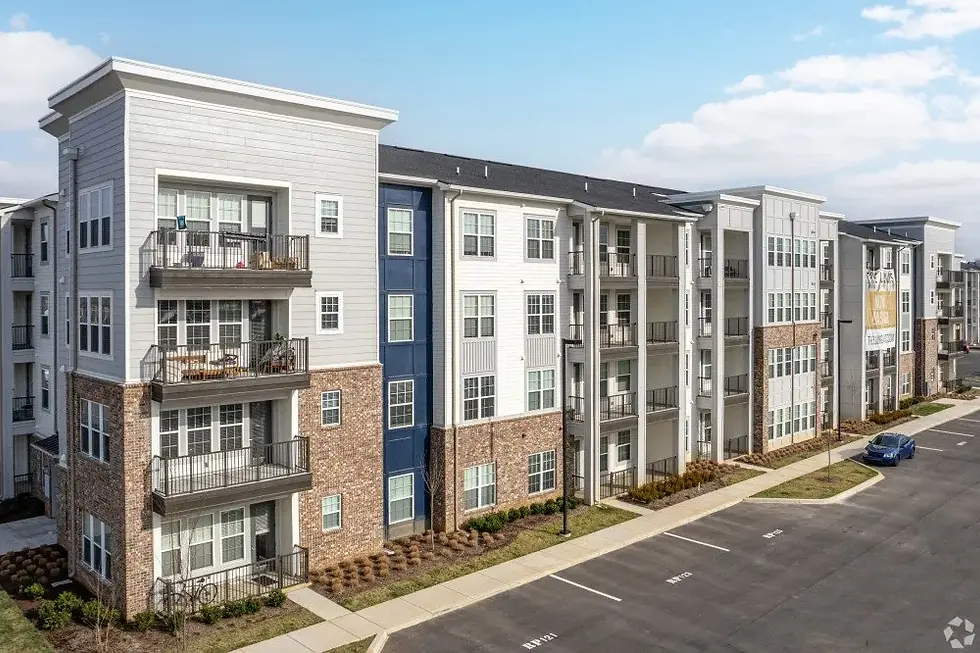
At Wexford Insurance, we work with multifamily property owners regularly, helping them build coverage programs that reflect real-world exposure—not just generic policy templates.
“In my experience as a former underwriting manager, multifamily properties don’t just have more risk—they have compounded risk,” says Nate Jones, CPCU, ARM, CLCS, AU. “One event can impact multiple tenants at once, which is why proper coverage structure is so important.”
Average Cost of Multifamily Property Insurance
Insurance costs for multifamily properties vary significantly based on size, condition, and operations. Below are estimated ranges based on what we commonly see across the market.
Small multifamily (2–4 units): $1,500 – $4,000/year
Mid-size (5–20 units): $4,000 – $15,000/year
Larger complexes (20+ units): $15,000+/year
This policy protects the structure itself—including the roof, walls, plumbing, HVAC systems, and shared spaces.
Typical range: $500 – $3,000/year
General liability insurance covers injuries that occur on your property, such as slip-and-fall incidents in hallways, sidewalks, or parking areas.
At Wexford Insurance, we usually recommend minimum limits of $1M/$2M for multifamily properties due to the higher exposure.
Bundled cost: $2,000 – $10,000/year
A Business Owner’s Policy (BOP) combines property and liability coverage into one package, often reducing premiums compared to standalone policies.
Often included in property or BOP policies
This coverage reimburses lost rent if units become uninhabitable due to a covered loss.
Starts around $500/year (varies based on payroll)
Required if you have employees performing maintenance or management duties.
Umbrella Insurance
$500 – $2,000/year for $1M in additional coverage
Umbrella insurance provides extra liability protection above your base policy limits.
What Factors Affect Multifamily Insurance Costs?
Insurance pricing is based on risk. Understanding these drivers can help you better control your premiums.
1. Building Age and Maintenance
Older buildings often have outdated:
Electrical systems
Plumbing
Roofing
These increase the likelihood of claims, especially water and fire losses.
2. Number of Units
More units mean more tenants—and more potential for liability claims, property damage, and operational risk.
3. Claims History
A history of prior losses—especially water damage or liability claims—can significantly increase premiums or limit available carriers.
4. Safety Features
Buildings with updated safety features tend to cost less to insure:
Fire alarms and sprinkler systems
Security cameras
Handrails and proper lighting
5. Occupancy and Tenant Profile
Higher turnover, short-term tenants, or poorly screened residents can increase risk.
At Wexford Insurance, one of the most common trends we see is that properties with inconsistent tenant screening often have more frequent liability issues.
6. Deductibles and Policy Structure
Higher deductibles can reduce premiums, but they also increase your out-of-pocket responsibility in the event of a claim.
Essential Insurance Coverages for Multifamily Properties
A strong multifamily insurance program isn’t just one policy—it’s a combination of coverages designed to work together.
This is the foundation of your protection. Unlike a standard homeowners policy, landlord insurance is built specifically for income-producing properties.
It typically includes:
Property coverage
Liability protection
Loss of rental income
One of the most common mistakes Nate Jones, CPCU, ARM, CLCS, AU sees is landlords trying to use homeowners insurance for rental properties—which often leads to denied claims.
Property Insurance
Property insurance protects the building itself, including:
Structural components
Mechanical systems
Common areas
Example: A fire in one unit spreads through the building. Property insurance helps cover repair or rebuilding costs.
General liability insurance protects you if a tenant or visitor is injured on your property.
Common claims include:
Slip-and-falls
Trip hazards
Parking lot accidents
At Wexford Insurance, we have seen firsthand that shared spaces are where the majority of claims originate.
If tenants are forced to vacate due to a covered loss, this coverage replaces lost income while repairs are being made.
For multifamily owners, this is critical because multiple units may be impacted at once.
Umbrella Insurance
Umbrella coverage adds an extra layer of liability protection above your existing limits.
Nate Jones CPCU, ARM, CLCS, AU often recommends it for:
Owners with multiple properties
Larger apartment buildings
Investors with significant personal assets
Additional Coverages That May Apply
Depending on your operations:
Workers’ Compensation Insurance – if you have employees
Commercial Auto Insurance – if vehicles are used for property management
Equipment Coverage – for tools used in maintenance

How to Lower Your Multifamily Insurance Costs
Lowering your insurance costs doesn’t mean cutting coverage—it means reducing risk. Here are practical steps you can take:
Upgrade outdated systems (roof, plumbing, electrical)
Install safety features like cameras, lighting, and handrails
Develop a proactive maintenance and inspection schedule
Implement strict tenant screening procedures
Bundle policies into a Business Owner’s Policy (BOP)
Increase deductibles where financially appropriate
Work with an independent agent who can shop multiple carriers
At Wexford Insurance, we recently worked with a multifamily owner who reduced their premiums by improving maintenance documentation and adding safety features—two changes underwriters look for immediately.
Frequently Asked Questions
Is homeowners insurance enough for a multifamily rental property?
No. Homeowners insurance is designed for owner-occupied homes and typically excludes rental-related claims.
Is liability insurance required?
It may not always be legally required, but it is strongly recommended due to the high risk of tenant and visitor injuries.
Does multifamily insurance cover tenant belongings?
No. Tenants need their own renters insurance for personal property. Your policy covers the building and your liability.
Can I insure multiple properties under one policy?
Yes. Many insurance carriers offer portfolio policies, which simplify management and may provide cost savings.
What is the most common claim for multifamily properties?
At Wexford, the most common claims we see are water damage (especially from plumbing issues) and slip-and-fall injuries in shared areas.
Why Multifamily Owners Choose Wexford Insurance
Wexford Insurance is an independent agency built specifically to serve business owners. We’re not tied to one carrier—we represent multiple top-rated insurance companies, allowing us to shop the market and find the best fit for your property.
Our founder, Nate Jones, CPCU, ARM, CLCS, AU, holds advanced industry designations and earned his degree in Insurance and Risk Management from Indiana State University.
Before starting Wexford Insurance, he worked as both an underwriting manager and a risk consultant—giving him a deep understanding of how policies are structured and priced.
As a Trusted Choice independent agency, we put transparency and client advocacy first.
“Multifamily insurance isn’t one-size-fits-all,” Nate Jones, CPCU, ARM, CLCS, AU explains. “You need a program that reflects how your property actually operates—and that’s where an independent agent makes a big difference.”
From small duplexes to larger apartment complexes, we help property owners build insurance strategies that protect long-term profitability.
Get a Multifamily Insurance Quote Today
If you own or are purchasing a multifamily property, the right insurance coverage is essential to protecting your investment and income.
At Wexford Insurance, we take the time to understand your property, your tenants, and your goals—then we compare multiple carriers to build a customized solution.
Our office address is :107 N State Road 135, STE 304, Greenwood, IN 46142
Call 317-942-0549 or visit www.wexfordins.com. We will compare multiple carriers and help you secure the right protection at the best possible price.


