
Warehouse Property Insurance: Coverage for Buildings, Racking, and Stored Inventory
Owning or operating a warehouse means protecting more than just the building itself. A single fire, severe storm, equipment accident, or theft incident can affect your structure, storage systems, inventory, and ability to continue operating.
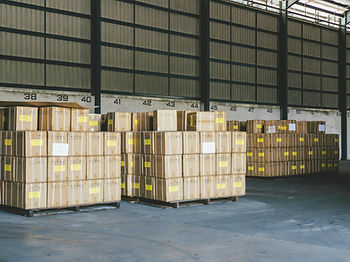
Warehouse property insurance is designed to help protect the physical assets that keep a warehouse business running. Whether you own the building, lease warehouse space, or store inventory for customers, understanding what is and is not covered can help you make better insurance decisions.
Businesses looking for broader risk protection should also explore specialized warehouse insurance solutions that address the unique exposures warehouse owners and operators face.
What Is Warehouse Property Insurance?
Warehouse property insurance is a form of commercial property coverage that typically helps protect physical assets such as warehouse buildings, office areas, storage racking systems, equipment, and inventory against covered causes of loss.
Coverage depends on the policy selected, property values reported, underwriting requirements, and policy wording.
For warehouse owners and operators, property insurance is often one of the most important policies because a significant portion of the business's value may be tied to:
Buildings
Racking systems
Inventory
Equipment
Computers and technology systems
Forklift charging stations
Office contents
Tenant improvements and betterments
A properly structured property insurance program can help address risks that lenders, investors, landlords, and customers frequently ask about before doing business with a warehouse operation.
Buildings, Racking, and Stored Inventory: What Is Typically Covered?
Not every warehouse has the same property exposures. Understanding how insurers view different types of property is important during the quoting process.
Warehouse Buildings
If you own your warehouse building, commercial property insurance may help protect:
Exterior walls
Roofing systems
Foundations (subject to policy terms)
Office areas
Loading docks
Electrical systems
HVAC systems
Permanent fixtures
Coverage generally applies when covered causes of loss damage the insured structure.
Lenders commonly require proof of property insurance before financing warehouse purchases or refinances.
Storage Racking Systems
Warehouse racking systems represent a substantial investment for many operations.
Modern warehouses may contain:
Selective pallet racking
Push-back racking
Drive-in racking
Cantilever racking
Automated storage systems
Some business owners assume racking is automatically covered without limitation. In reality, coverage treatment can vary depending on how the system is classified by the policy and insurer.
When applying for coverage, underwriters frequently ask about:
Racking height
Construction materials
Inspection procedures
Seismic protection measures
Inventory storage methods
Stored Inventory
Inventory is often the largest insured property exposure within a warehouse.
Inventories may include:
Raw materials
Finished products
Wholesale goods
Retail products
Seasonal merchandise
Customer-owned goods
Proper valuation is essential because underreporting inventory values can create problems after a covered loss.
Businesses storing property owned by others should pay particular attention to the distinction between property coverage and legal liability coverage.
Who Needs Warehouse Property Insurance?
Warehouse property insurance can benefit many different types of businesses.
These often include:
Public warehouse operators
Distribution centers
Third-party logistics companies
Manufacturers with warehouse facilities
E-commerce fulfillment centers
Cold storage facilities
Wholesale distributors
Warehouse investors
Who May Require It?
Many stakeholders may require evidence of property insurance, including:
Commercial mortgage lenders
Property investors
Landlords
Leasing companies
Customers
Government entities
Contracting partners
Some customer contracts specifically require proof of insurance before inventory is stored or handled.
Warehouse businesses with employees should also review Warehouse Workers' Compensation Insurance: Forklift and Material Handling Class Codes because property insurance does not cover employee injuries.
What Warehouse Property Insurance Usually Does Not Cover
One of the most common misunderstandings is assuming warehouse property insurance covers every type of loss.
It does not.
Coverage depends entirely on policy wording, endorsements, limits, exclusions, and underwriting.
Customer Property May Require Additional Consideration
Warehouse operators who store customer-owned products often discover that standard property insurance may not automatically protect all third-party goods.
In these situations, businesses frequently evaluate specialized warehouse operator insurance programs that address custody and storage exposures.
Flood and Earthquake Risks
Flood and earthquake losses are commonly handled differently than standard property risks.
Depending on location, separate coverage options may be necessary.
Warehouse owners operating in coastal, river-adjacent, or seismic regions should discuss these exposures with their insurance advisor.
Equipment Breakdown
Property policies frequently do not function the same as equipment breakdown coverage.
Specialized protection may be needed for:
Electrical systems
Refrigeration units
Automated warehouse systems
Mechanical equipment
Conveyor systems
Wear and Tear
Insurance generally is not a maintenance program.
Normal wear and tear, deterioration, corrosion, and gradual damage are commonly excluded.

What Factors Affect Warehouse Property Insurance Costs?
Warehouse property insurance pricing depends on many variables.
There is no universal rate.
Building Characteristics
Underwriters commonly review:
Building age
Construction type
Roof condition
Square footage
Fire protection systems
Security features
Updated buildings with modern protection systems are often viewed differently than older facilities.
Inventory Exposure
The type and value of products stored significantly influence underwriting.
Insurers may evaluate:
Product combustibility
Inventory concentration
Storage methods
Seasonal fluctuations
Maximum inventory values
Fire Protection
Fire remains one of the largest warehouse property exposures.
Insurers often ask about:
Automatic sprinkler systems
Fire alarms
Monitoring services
Fire department proximity
Hydrant access
Businesses can review fire prevention resources from OSHA and property protection guidance from the National Association of Insurance Commissioners (NAIC).
Location
Property location matters.
Underwriters commonly evaluate regional exposures such as:
Windstorms
Hurricanes
Tornadoes
Wildfires
Flood potential
Crime rates
Claims History
Previous losses may influence underwriting reviews.
Insurers typically consider:
Property claims frequency
Loss severity
Corrective actions taken
Ongoing risk management efforts
How to Get a Warehouse Property Insurance Quote
Obtaining accurate warehouse property insurance pricing starts with accurate information.
The more complete the information provided, the easier it is for underwriters to evaluate the risk.
Information Commonly Requested
Be prepared to provide:
Building address
Construction type
Year built
Square footage
Occupancy details
Inventory values
Equipment values
Security information
Fire protection details
Prior loss history
Documentation That Helps
Having the following available can speed up the process:
Property schedules
Building appraisals
Inventory reports
Lease agreements
Photographs
Prior insurance information
Warehouse landlords should also review Insurance for Warehouse Landlords Who Lease Space to Tenants to better understand risks associated with tenant occupancy and leased facilities.
A Practical Example
Consider a warehouse operator that owns a 100,000-square-foot facility with pallet racking, forklifts, office space, and stored inventory. Property insurance may help protect the building and covered business property, while additional policies may be needed for customer goods, liability exposures, employee injuries, or specialized operational risks.
The appropriate coverage structure depends on the warehouse operation, contract obligations, and policy wording.
Frequently Asked Questions
Does warehouse property insurance cover stored inventory?
Typically, inventory owned by the insured business may be eligible for coverage, subject to policy limits, valuation methods, exclusions, and policy terms.
Does warehouse property insurance cover customer inventory?
Not always. Customer-owned property often requires careful review because coverage treatment depends on policy language and operational exposures.
Is warehouse racking considered business personal property?
In many cases, warehouse racking is insured property, but how it is classified and valued can vary depending on the policy and installation.
Do warehouse tenants need property insurance?
Often yes. Many lease agreements require tenants to insure their own equipment, inventory, improvements, and business personal property.
What is the difference between warehouse property insurance and general liability insurance?
Property insurance typically addresses covered damage to insured property. General liability insurance generally addresses covered third-party bodily injury and property damage claims.
Protecting Your Warehouse Investment
Warehouses represent significant investments in real estate, equipment, storage infrastructure, and inventory. A well-designed warehouse property insurance program can help protect those assets while satisfying lender, landlord, customer, and contractual requirements.
If you're reviewing coverage for warehouse buildings, racking systems, stored inventory, and operational exposures, consider exploring specialized warehouse legal liability solutions designed for warehouse-related risks.
Coverage depends on policy terms, conditions, exclusions, limits, and underwriting review. Insurance requirements and regulations vary by state. This article is provided for general educational purposes and should not be considered legal advice or a substitute for reviewing your policy.


