
Trucking Rates per Mile in 2026: What Owner-Operators Are Earning
If you're running your own rig, you already know that the rate you charge per mile is the number everything else gets measured against. But in 2026, a lot of owner-operators are finding that the market has shifted — and what worked two years ago may not be cutting it today.
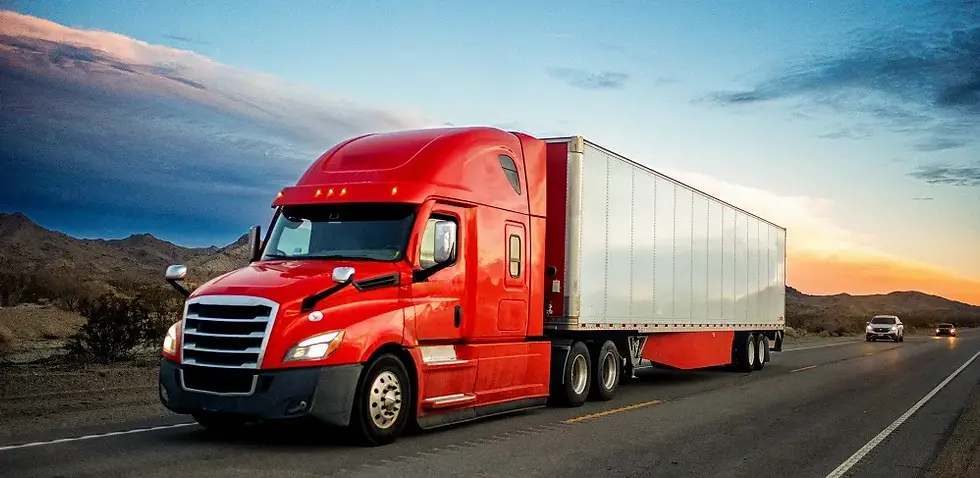
This guide breaks down where trucking rates per mile currently stand, what's driving the numbers, and what you need to account for to actually stay profitable.
Why Per-Mile Rates Matter More Than Gross Revenue
It's easy to get excited about a high-paying load. But gross revenue doesn't tell the whole story. What matters is what you keep after fuel, maintenance, insurance, tolls, permits, and your own time are factored in.
A load paying $3.00 per mile sounds strong — until you realize your cost per mile is $2.60. That $0.40 margin has to cover your salary, your savings, and any unexpected expense that comes up on the road. Understanding the full picture is what separates operators who build real businesses from those who stay stuck in a cycle of chasing loads.
What Are Trucking Rates per Mile in 2026?
This is the core question, and the honest answer is that rates vary significantly by freight type, lane, region, and market conditions. That said, here's a general illustration of where the market sits for owner-operators in 2026.
Dry Van
Dry van remains the most common freight type. Spot market rates for dry van have been in a recovery cycle after a prolonged freight recession. Many owner-operators running dry van on the spot market are seeing rates roughly in the $2.00–$2.80 per mile range on a loaded basis, with some lanes running higher and others lower depending on demand and seasonality.
Reefer (Refrigerated)
Reefer loads typically command a premium over dry van due to the specialized equipment and stricter delivery requirements. Many reefer operators are seeing loaded rates in the $2.40–$3.20 per mile range, though produce seasons and regional demand can push numbers higher.
Flatbed
Flatbed freight tends to pay well because of the loading and securing skills required. Rates commonly fall in the $2.50–$3.50 per mile range for loaded miles, with oversized or specialized loads paying more.
Tanker and Hazmat
These specialized operations carry higher risk, require additional endorsements, and typically command some of the stronger per-mile rates in the industry — often $3.00–$4.50 per mile or higher depending on the commodity and lane.
Important caveat: These are general market illustrations based on publicly available industry data and should not be taken as guarantees of what you'll earn. Actual rates depend on your lanes, broker relationships, whether you're running spot or contract freight, and current market conditions. Always verify current rates through load boards and industry sources before making business decisions.

The Difference Between Spot Rates and Contract Rates
One of the most important distinctions in trucking is whether you're running spot market loads or contracted freight — and the difference affects both your rate and your stability.
Spot market rates are what the market will pay right now for a single load. They fluctuate daily based on supply and demand. When capacity is tight, spot rates climb. When there are more trucks than loads — as the market has seen in recent years — spot rates fall and competition gets fierce.
Contract rates are negotiated directly with shippers for a set period, usually six to twelve months. They tend to be more stable but may run slightly below peak spot rates during hot markets. For owner-operators trying to build predictable cash flow, a base of contract freight is generally more sustainable than chasing spot loads full time.
The DAT Freight & Analytics platform publishes real-time and historical rate data by lane and freight type — one of the most widely used tools for benchmarking what the market is actually paying.
What Does It Actually Cost to Run a Truck?
Knowing your gross rate per mile is only useful when you know your cost per mile. Here's a breakdown of the major expense categories owner-operators typically track.
Fuel
Fuel is usually the single largest variable cost. Depending on your truck's fuel efficiency and current diesel prices, fuel alone can run $0.60–$0.80+ per mile or more. Fuel costs fluctuate with the market, so what you calculated last quarter may already be outdated.
Truck Payment and Depreciation
Whether you're financing a new truck or managing depreciation on an older one, equipment cost is a fixed reality. Many operators budget $0.20–$0.35 per mile for this category depending on their financing terms and equipment age.
Insurance
Trucking insurance is one of the most significant — and least negotiable — costs in your operation. Primary liability, physical damage, cargo coverage, and bobtail insurance all add up. Many owner-operators see total insurance costs somewhere in the $0.15–$0.30+ per mile range depending on their coverage, driving record, and the type of freight they haul. We'll cover this more in the next section.
Maintenance and Repairs
Tires, oil changes, DOT inspections, and unexpected breakdowns are part of the job. A reasonable budget for maintenance commonly runs $0.10–$0.20 per mile, though a major repair can spike that significantly in any given month.
Tolls, Permits, and Fees
These vary widely by region and route but can add up quickly for operators running the Northeast corridor or oversize loads. Budget at least $0.05–$0.15 per mile depending on your lanes.
Your Estimated Cost per Mile
Add those categories up and many owner-operators find their true cost per mile falls somewhere in the $1.60–$2.20 range before paying themselves. That's why a $2.00/mile load on a tough lane may barely break even — and why rate negotiation and lane selection matter so much.
How Insurance Fits Into Your Per-Mile Cost Structure
Trucking insurance isn't optional — it's federally mandated for commercial carriers operating in interstate commerce. The Federal Motor Carrier Safety Administration requires minimum liability limits for carriers depending on what they haul, and those requirements directly affect your insurance cost.
For owner-operators, the main coverage types include:
Primary auto liability — covers bodily injury and property damage you cause to others; federally required
Physical damage — covers your truck and trailer for collision, theft, or weather damage
Motor truck cargo insurance — may cover the freight you're hauling if it's lost or damaged in transit
Bobtail insurance — may cover your truck when you're driving without a trailer, such as after a delivery
Non-trucking liability — may cover personal use of your truck when you're not under dispatch
What you pay for this coverage depends on your driving record, years of experience, the type of freight, your operating radius, and your claims history. Working with an independent agent who specializes in commercial trucking gives you access to multiple markets and a better shot at competitive pricing.
Tips for Improving Your Net Rate per Mile
You can't always control what the market pays, but you can control how efficiently you operate.
Reduce empty miles. Every deadhead mile costs you money with zero revenue. Better load planning and backhaul optimization directly improve your net rate.
Negotiate contract freight. If you're running the same lanes consistently, approach shippers directly about contract rates. Cutting out broker fees improves your net even when the gross rate is similar.
Track your cost per mile monthly. Fuel prices, repair costs, and insurance premiums all change. Operators who update their numbers regularly make better decisions about which loads to accept.
Maintain a clean safety record. A clean CSA score and driving record not only keeps you compliant — it keeps your insurance costs lower, which directly improves your margin per mile.
Review your insurance annually. As your operation changes, so does your risk profile. An annual insurance review with a licensed agent can identify savings opportunities or coverage gaps you may not have noticed.
FAQ: Trucking Rates and Owner-Operator Earnings
What is a good rate per mile for owner-operators in 2026?
A "good" rate depends entirely on your cost per mile. As a general rule, most owner-operators need at least $0.40–$0.60 of margin above their total cost per mile to run a viable business after paying themselves. Know your costs first, then evaluate rates against that baseline.
Are spot market rates improving in 2026?
The freight market has shown signs of gradual recovery after a multi-year rate correction, but conditions remain competitive in many lanes. Staying current with rate data through platforms like load boards and industry publications is the best way to track where the market is heading.
How do owner-operators find consistent freight?
Most successful owner-operators use a mix of load boards for spot freight, direct shipper relationships for contract lanes, and carrier agreements for consistent volume. Diversifying your freight sources reduces dependence on any single market condition.
Does the type of freight I haul affect my insurance cost?
Yes, significantly. Hazmat, refrigerated, and high-value cargo typically cost more to insure than standard dry van freight. Your insurance premium reflects the risk profile of what you're hauling, not just the truck itself.
What insurance does an owner-operator legally need?
At minimum, federal law requires primary auto liability coverage for interstate carriers. Most operations also need cargo insurance, physical damage coverage, and bobtail or non-trucking liability depending on how you're structured. A licensed commercial trucking insurance agent can walk you through the exact requirements for your operation.
Protect Your Operation With the Right Coverage
Rates and revenue matter — but none of it holds up if an accident, cargo claim, or liability lawsuit wipes out your margins. At Wexford Insurance, we work with owner-operators and small trucking fleets to find commercial coverage that fits your operation and your budget.
Our independent agents shop multiple markets to get you competitive quotes on primary liability, cargo, physical damage, bobtail coverage, and more.
Request your free, no-obligation quote from Wexford Insurance today and talk to a licensed agent who understands the trucking business from the ground up.


