
Tree Trimming Insurance: Why General Liability Isn't Enough
If you run a tree service business, you already know the work comes with serious risks. One wrong cut, a falling branch, or damage to a customer's property can quickly turn into an expensive problem.
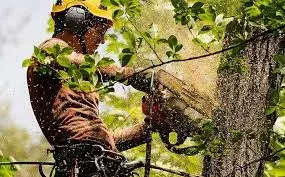
Many business owners assume a general liability policy is enough protection. In reality, tree trimming insurance often requires a combination of coverages because the risks involved go far beyond basic property damage and third-party injuries.
Whether you're an independent arborist or manage a growing crew, understanding the limits of general liability insurance can help you protect your business, employees, equipment, and reputation.
What Is Tree Trimming Insurance?
Tree trimming insurance is not a single policy. Instead, it usually refers to a package of insurance coverages designed to protect tree service professionals from common business risks.
A tree trimming business may face exposures such as:
Falling limbs damaging homes, vehicles, or structures
Employee injuries while climbing or operating equipment
Chainsaw accidents
Damage caused by wood chippers and stump grinders
Vehicle accidents involving work trucks
Equipment theft or vandalism
Lawsuits alleging property damage or bodily injury
Because these risks can come from many different sources, most tree service companies need more than one type of coverage.
Is General Liability Insurance Enough for Tree Trimming Businesses?
The short answer is no.
General liability insurance is an important foundation for tree trimming insurance, but it is only one piece of the protection most businesses need.
General liability insurance typically helps with claims involving:
Third-party bodily injury
Third-party property damage
Legal defense costs for covered claims
Certain advertising injuries
For example, if a falling branch damages a customer's fence during a routine trimming job, general liability insurance may respond depending on the circumstances and policy terms.
However, many of the biggest risks faced by tree service companies fall outside the scope of a general liability policy.
This is why many contractors discover after a loss that their insurance program has significant gaps.
Why General Liability Alone May Leave Coverage Gaps
Tree work combines construction-type hazards, specialized equipment, transportation risks, and employee safety exposures.
General liability does not typically address all of these concerns.
Employee Injuries
Tree trimming is physically demanding and often performed at heights using chainsaws, ropes, lifts, and climbing equipment.
If an employee suffers an injury while working, general liability insurance generally does not cover the worker's medical expenses or lost wages.
Workers' compensation insurance is usually needed for employee injury claims and may be required by state law, depending on your business structure and workforce.
Business Vehicle Accidents
Many tree service companies rely on trucks, trailers, bucket trucks, and other commercial vehicles.
If one of your vehicles is involved in an accident, general liability insurance generally will not cover vehicle-related claims.
Commercial auto insurance is typically needed to help address accidents involving business-owned vehicles.
Equipment Damage or Theft
Chainsaws, wood chippers, stump grinders, climbing gear, and specialized tools represent a significant investment.
If equipment is stolen from a job site or damaged in a covered event, general liability insurance generally does not pay to repair or replace your business property.
Contractor equipment insurance or inland marine coverage may help protect valuable tools and equipment.
Damage to Your Own Property
General liability insurance is designed to protect against claims from others.
It generally does not cover damage to your own office, storage building, equipment yard, or business property.
Commercial property insurance is often needed for these exposures.
Large Lawsuits and Severe Claims
Tree service accidents can sometimes result in significant property damage or serious injuries.
A standard liability limit may not always be sufficient for larger claims.
Many businesses consider a commercial umbrella policy to provide additional liability protection above underlying policy limits.
Essential Insurance Coverages for Tree Trimming Businesses
A well-rounded tree trimming insurance program often includes several policies working together.
General liability insurance serves as the foundation of many contractor insurance programs.
It may help cover:
Property damage claims
Bodily injury claims
Legal defense expenses
Certain completed operations claims
Workers' compensation insurance may help with:
Medical expenses
Lost wages
Rehabilitation costs
Employer liability exposures
Requirements vary by state, so business owners should review local regulations carefully.
Commercial auto insurance is designed for vehicles used in business operations.
Coverage may include:
Liability protection
Physical damage coverage
Collision coverage
Comprehensive coverage
Many tree service businesses depend on expensive mobile equipment.
Contractor equipment coverage may help protect:
Chainsaws
Chippers
Stump grinders
Climbing gear
Aerial lifts
Specialized tools
Coverage details vary by policy and insurer.
Businesses with offices, warehouses, or storage facilities may benefit from commercial property insurance.
This coverage may help protect buildings, inventory, and business property from covered causes of loss.
Umbrella insurance provides additional liability limits above certain underlying policies.
For businesses facing high-risk operations, it may provide an extra layer of financial protection.

Tree Trimming Risks That Insurance Carriers Evaluate
When underwriting tree service insurance, insurers often evaluate several factors to understand the level of risk.
Common considerations include:
Years in business
Employee experience and training
Types of services offered
Maximum working heights
Safety programs
Claims history
Equipment used
Annual revenue
Geographic service area
Businesses that maintain strong safety procedures and documented training programs may be viewed more favorably by insurers.
How Tree Service Businesses Can Reduce Insurance Risks
Insurance is only one part of risk management.
Many successful tree service companies actively work to prevent losses before they happen.
Best practices often include:
Conducting pre-job site inspections
Maintaining equipment regularly
Using proper personal protective equipment (PPE)
Providing ongoing employee training
Following industry safety standards
Establishing traffic control procedures when needed
Documenting completed work and customer communications
Reducing claims can help protect both your employees and your long-term business stability.
How Much Does Tree Trimming Insurance Cost?
The cost of tree trimming insurance varies widely based on the size and nature of your business.
Factors that commonly affect premiums include:
Number of employees
Payroll size
Services performed
Equipment values
Vehicle fleet size
Claims history
Location
Coverage limits selected
Costs vary significantly by business, state, and insurance carrier. Many small operators pay substantially different premiums than larger companies with multiple crews and specialized equipment.
Because every operation is unique, it's important to work with a licensed insurance professional who understands tree service risks and can compare coverage options.
Choosing the Right Tree Service Insurance Program
Not all tree service businesses face the same exposures.
An owner-operator handling residential trimming jobs may have different insurance needs than a company performing large-scale removals, storm cleanup, or municipal contracts.
When reviewing coverage, consider questions such as:
Do you have employees?
Do you own commercial vehicles?
How valuable is your equipment?
Do you work at significant heights?
Do contract requirements specify certain insurance limits?
Could a major claim threaten your business financially?
A comprehensive review with a licensed agent can help identify gaps and determine which coverages fit your operation.
For additional safety guidance, tree service professionals can review resources from the Occupational Safety and Health Administration (OSHA) at https://www.osha.gov and industry best practices published by the Tree Care Industry Association (TCIA) at https://www.tcia.org.
Frequently Asked Questions
Do I need tree-trimming insurance if I work alone?
Even solo operators face risks such as property damage, customer injury claims, equipment theft, and vehicle accidents. Insurance needs vary based on your business activities and state requirements.
Does general liability insurance cover falling trees?
It may cover certain third-party property damage or injury claims depending on the circumstances and policy terms. Coverage details vary, so review your policy carefully.
Is workers' compensation required for tree service businesses?
Requirements differ by state. Many businesses with employees are required to carry workers' compensation coverage. Check your state's regulations and consult a licensed agent.
Does commercial auto insurance cover personal vehicles?
Not necessarily. Coverage depends on vehicle ownership, business use, and policy terms. A personal auto policy may not cover business-related activities.
What insurance do arborists typically need?
Many arborists carry a combination of general liability insurance, workers' compensation, commercial auto insurance, equipment coverage, and other policies based on their operations.
Protect Your Tree Service Business with the Right Coverage
General liability insurance is an important starting point, but it is rarely the only protection a tree service business needs. Tree trimming operations involve unique risks that often require multiple types of insurance working together.
If you're evaluating tree trimming insurance or want a second opinion on your current coverage, contact Wexford Insurance at 317-942-0549 or visit www.wexfordins.com for a free quote. Our team can help you review your risks, identify potential coverage gaps, and explore insurance options tailored to your business.


