
Tools vs. Revenue: What to Buy at Each Stage of Growth in 2026
One of the hardest decisions new contractors face is knowing when to invest in tools and equipment. Buy too little, and productivity suffers. Buy too much, and cash flow disappears. Many contractors learn this lesson the hard way after spending thousands on equipment that sits unused for months.
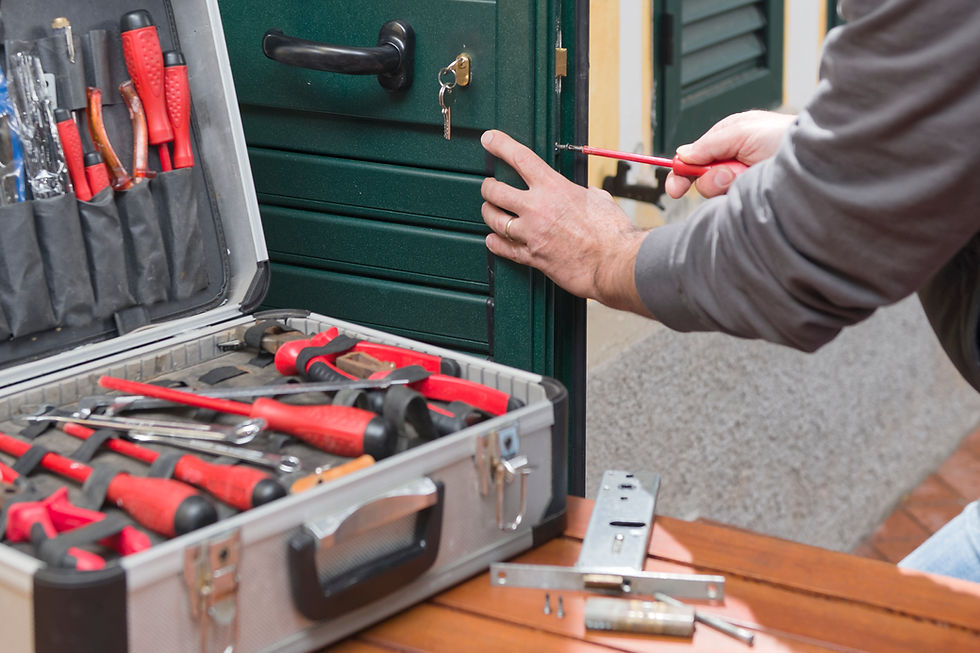
The reality is that successful contractors rarely buy every tool they want. They buy the tools their business can justify. Understanding what equipment makes sense at each stage of growth can help preserve cash flow while still allowing your business to expand efficiently.
When Should Contractors Buy More Tools?
The best time to purchase tools is when equipment will improve productivity, increase revenue opportunities, reduce labor costs, or solve a proven operational problem.
The wrong time to buy tools is when you're making purchases based on future assumptions rather than current business needs. Growth should usually fund equipment purchases, not the other way around.
Why Tool Purchases Can Make or Break Cash Flow
Many contractors think of tools as productivity investments.
That's true.
However, tools also create:
Upfront costs
Maintenance expenses
Replacement expenses
Storage requirements
Theft risks
A profitable contractor isn't necessarily the one with the most equipment.
Often, it's the contractor generating the most revenue with the fewest unnecessary purchases.
Stage 1: Startup and Early Revenue
This stage typically includes:
New businesses
Solo contractors
Limited customer base
Smaller project sizes
The goal is survival and consistency.
What You Should Buy
Focus on tools required to perform core services:
Essential hand tools
Basic power tools
Safety equipment
Diagnostic equipment
Reliable transportation
Only purchase equipment directly tied to revenue generation.
What You Should Avoid
Many new contractors overspend on:
Brand-new specialty equipment
Premium tool packages
Large trailers
Equipment they rarely use
The first objective is generating revenue, not building the perfect equipment lineup.
Stage 2: Consistent Revenue and Repeat Customers
At this stage, demand becomes more predictable.
You may have:
Recurring customers
Improved cash flow
Growing referral activity
Better understanding of your market
This is often where strategic tool purchases begin.
What You Should Buy
Invest in tools that improve efficiency.
Examples may include:
Job-specific equipment
Better organization systems
Time-saving specialty tools
Technology that improves workflow
The focus shifts from simply completing jobs to completing them faster and more consistently.
Why Efficiency Matters
A tool that saves time on every project may ultimately produce far more value than a tool used only occasionally.
Many profitable contractors evaluate purchases based on productivity rather than price alone.
Stage 3: Preparing for the First Employee
Hiring often changes equipment needs significantly.
Once another person joins the business, tool shortages become easier to notice.
What You Should Buy
Common investments include:
Additional hand tools
Secondary power tools
Safety equipment for employees
Training-related equipment
Vehicle organization systems
The goal is supporting labor productivity.
Equipment downtime becomes much more expensive once employees are being paid.
What Most People Get Wrong
Many contractors hire employees before acquiring the equipment needed for those employees to work efficiently.
As a result:
Productivity drops
Labor costs rise
Frustration increases
Supporting labor capacity often delivers a better return than buying larger equipment prematurely.
Stage 4: Growing Into a Multi-Person Operation
At this stage, business owners are often managing:
Multiple employees
Larger projects
Higher customer volume
Increased workload
Equipment investments become more strategic.
What You Should Buy
Consider tools that help scale operations:
Additional service equipment
Inventory systems
Advanced diagnostic tools
Fleet organization solutions
Technology platforms
The goal is consistency across the operation.
Well-equipped teams frequently complete more work with fewer delays.
HVAC Contractors: Tool Growth Priorities
HVAC contractors often grow equipment investments in phases.
Early Stage
Focus on:
Testing equipment
Core hand tools
Refrigerant tools
Safety gear
Growth Stage
Many businesses eventually add:
Advanced diagnostic equipment
Additional installation tools
Inventory systems
Technician tool sets
The key is ensuring new equipment directly supports growing service demand.
Plumbing Contractors: Tool Growth Priorities
Plumbers frequently start with essential service equipment.
Early Stage
Focus on:
Basic plumbing tools
Leak detection equipment
Core service tools
Growth Stage
Businesses may later invest in:
Drain cleaning equipment
Camera systems
Specialty diagnostic tools
Additional vehicle inventory
Many purchases are justified by increased service opportunities.
Electrical Contractors: Tool Growth Priorities
Electrical businesses often emphasize efficiency and testing capabilities.
Early Stage
Focus on:
Core electrical tools
Testing equipment
Safety equipment
Growth Stage
Additional purchases may include:
Specialty testing devices
Additional crew equipment
Material management systems
The objective is supporting higher job volume without sacrificing quality.
Landscaping Contractors: Equipment Expansion Decisions
Landscapers face larger equipment decisions than many contractors.
Early Stage
Focus on:
Essential mowing equipment
Trimmers
Blowers
Hand tools
Growth Stage
Many contractors consider:
Additional mowers
Utility vehicles
Trailers
Specialized equipment
These purchases are often justified by route density and customer growth rather than desire alone.
Roofing Contractors: Equipment Expansion Decisions
Roofing growth usually requires improved jobsite efficiency.
Early Stage
Focus on:
Safety equipment
Core roofing tools
Material handling solutions
Growth Stage
Consider:
Additional crew equipment
Enhanced safety systems
Productivity improvements
Equipment should support project completion rather than merely increasing jobsite appearance.
When Renting Makes More Sense
Many contractors overlook rentals.
Renting can make sense when equipment is:
Infrequently used
Highly specialized
Expensive to own
Difficult to store
Many successful businesses rent specialty equipment for years before purchasing it.
This approach often improves cash flow.
The ROI Question Every Contractor Should Ask
Before buying equipment, ask:
Will this increase revenue?
Will this reduce labor costs?
Will this improve efficiency?
Will this help win more projects?
Will this pay for itself?
If you can't clearly explain how the purchase benefits the business, it may be worth waiting.

What Most People Get Wrong
The biggest misconception is that successful contractors own more equipment.
That's not always true.
We've seen businesses with modest equipment produce strong profits because they controlled costs and purchased strategically. We've also seen contractors burdened by equipment payments that reduced profitability and limited growth.
Successful owners often buy tools based on proven demand rather than future dreams.
Signs You're Ready to Upgrade Equipment
You may be ready for additional tools when:
Current equipment creates bottlenecks
Jobs are taking longer than necessary
Employees are waiting on tools
Equipment downtime increases
New work opportunities require additional capabilities
The best upgrades usually solve existing problems rather than anticipated ones.
Insurance and Equipment Protection Reality Check
As businesses invest in more tools, risk increases.
Potential exposures include:
Theft
Damage
Vehicle accidents
Equipment loss
Jobsite incidents
Many contractors commonly consider:
Tools and equipment coverage
Commercial auto insurance
Workers compensation insurance where required
Umbrella liability coverage
Coverage needs vary depending on equipment value, operations, payroll, and business size. Contractors should discuss their specific situation with a licensed insurance professional.
Signs Your Equipment Strategy Is Working
Healthy equipment decisions often result in:
Better cash flow
Higher productivity
Reduced downtime
Improved job profitability
Smoother operations
The goal isn't accumulating tools.
The goal is creating a business that operates efficiently and profitably.
Final Verdict
Tools are important, but timing matters just as much as the purchase itself.
The most successful contractors in 2026 typically buy equipment in stages, matching purchases to revenue growth and proven business needs. By focusing on productivity, profitability, and efficiency rather than appearances, contractors often place themselves in a stronger position for long-term success.
Remember: the right tool purchased at the right time can accelerate growth. The wrong tool purchased too early can strain cash flow and slow it down.
FAQ
Should contractors buy tools before they need them?
Generally, contractors benefit from purchasing tools when existing demand justifies the investment rather than buying based on future assumptions.
When is the best time to upgrade equipment?
Many contractors upgrade when equipment limits productivity, creates bottlenecks, or supports profitable growth opportunities.
Should I rent or buy specialty equipment?
For infrequent needs, renting may provide better financial flexibility than ownership.
What is the biggest equipment mistake new contractors make?
Many overspend on equipment too early, creating cash-flow challenges before consistent revenue is established.
Do tools help businesses grow faster?
The right tools can improve efficiency and productivity, but growth still depends on demand, pricing, operations, and customer acquisition.
Ready to Protect Your Contracting Business?
Whether you're investing in your first essential tools, upgrading equipment to improve productivity, or outfitting a growing crew, every investment plays a role in your company's success. The right insurance can help protect your tools, equipment, vehicles, and business from unexpected losses that could slow your growth.
Get a free quote from Wexford Insurance today at https://www.wexfordins.com/business-quote. Our team understands the challenges contractors face as they expand operations and invest in new equipment. We'll help you explore coverage options tailored to your business so you can focus on improving efficiency, serving customers, and growing with confidence.


