
Solar Contractor Installation Floater: Covering Panels and Inverters in Transit and Storage
Solar equipment often reaches the job site long before the installation is complete. Panels may sit in temporary storage, inverters may be staged for future phases, and expensive materials may be transported between warehouses, suppliers, and project locations. If you're a solar contractor, understanding how those materials are insured before final installation is critical.
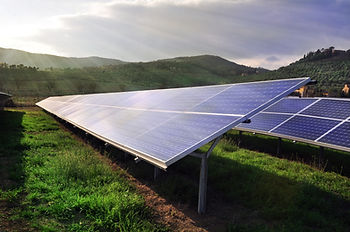
A solar contractor installation floater is designed to help protect panels, inverters, mounting systems, and other materials while they are in transit, temporarily stored, or being installed. Many contractors rely on specialized solar business insurance programs to address these unique exposures because standard property insurance typically does not cover materials in every location where solar projects occur.
The short answer is that an installation floater is a type of inland marine coverage that may insure solar materials before they become part of a completed project. Coverage typically applies while materials are transported, temporarily stored, or awaiting installation, subject to policy terms, exclusions, limits, and underwriting requirements.
Why Solar Contractors Need Installation Floater Coverage
Solar projects often involve significant material values before any revenue is generated from the completed system.
Consider how many locations a solar panel or inverter may pass through before installation:
Manufacturer facilities
Distribution centers
Contractor warehouses
Temporary jobsite storage areas
Staging yards
Final installation locations
At several points during this process, the equipment may not be covered by a building owner's property policy or by a contractor's standard general liability policy.
Installation floater coverage is designed specifically for these situations.
For many commercial contractors, protecting materials before installation is just as important as maintaining liability coverage after installation.
What a Solar Contractor Installation Floater Typically Covers
Coverage depends on policy language, but installation floaters are generally intended to protect materials that will become part of a completed solar project.
Materials in Transit
Solar contractors routinely transport:
Solar panels
Inverters
Racking systems
Mounting hardware
Electrical components
Monitoring equipment
An installation floater may provide coverage while materials are moving between suppliers, storage locations, and jobsites.
Transportation exposures become especially important for contractors managing multiple installations simultaneously across several states.
Temporary Storage Locations
Many solar projects encounter scheduling delays.
Equipment may remain in:
Warehouses
Leased storage facilities
Shipping containers
Temporary project staging areas
An installation floater may provide protection while materials are stored before installation, subject to applicable limits and policy provisions.
Materials Awaiting Installation
Once equipment reaches a worksite, materials may remain on-site for days or weeks.
Installation floater policies are commonly designed to address this exposure period before the materials become a permanent part of the project.
Materials During Installation
Coverage may continue while the equipment is actively being installed and until project completion based on policy conditions.
Contractors should verify how coverage ends and when responsibility transfers to another party.
Who Usually Requires This Coverage?
In some cases, installation floater insurance is purchased voluntarily. In other situations, project stakeholders may require it.
Project Owners
Commercial property owners often expect contractors to carry insurance covering their own materials until installation is complete.
This helps avoid disputes regarding responsibility for equipment stored on-site.
General Contractors
Many general contractors require evidence of installation floater coverage before allowing subcontractors to begin work.
Insurance requirements are commonly outlined in subcontract agreements and bid specifications.
Lenders and Investors
Large commercial and utility-scale solar developments often involve financing partners.
Lenders want confidence that valuable project components have protection during transportation and installation phases.
Contractors working on larger developments may also encounter liability requirements discussed in Solar Contractor Umbrella Insurance for Commercial and Utility-Scale Projects, where higher liability limits are frequently required alongside property-related coverages.
Utility-Scale Developers
Utility-scale solar projects can involve substantial quantities of materials spread across large geographic areas.
Risk management requirements often include detailed insurance specifications covering equipment before project completion.

What Is Commonly Excluded or Limited?
Many contractors assume installation floaters cover every possible loss involving project materials.
That is not always the case.
Coverage varies significantly between policies.
Common exclusions, limitations, or areas requiring special attention may include:
Employee dishonesty
Improper packaging
Wear and tear
Mechanical breakdown
Delay costs
Faulty workmanship
Manufacturer defects
Certain weather-related exposures
Unexplained disappearance
Cyber-related losses
Coverage for theft at unsecured locations may also be subject to specific requirements.
Contractors should carefully review storage security requirements, reporting obligations, and project value limits.
This is one reason many firms work with specialists offering solar installer insurance programs tailored to renewable energy operations. The unique logistics involved with transporting and staging solar equipment often require underwriting considerations that differ from traditional construction projects.
Factors That Influence Installation Floater Pricing
There is no universal cost for solar contractor installation floater insurance.
Underwriters typically evaluate several factors.
Value of Materials
Higher project values generally create greater exposure.
Underwriters frequently review:
Average material values
Maximum project values
Peak inventory concentrations
Storage Conditions
How and where equipment is stored matters.
Questions commonly include:
Indoor versus outdoor storage
Security measures
Fencing
Surveillance systems
Access controls
Transportation Practices
Underwriters may review:
Transportation distances
Vehicle types
Driver controls
Third-party shipping arrangements
Geographic Exposure
Projects located in regions prone to severe weather events may be evaluated differently.
Location-specific risks can affect underwriting decisions.
Project Type
Insurers often distinguish among:
Residential installations
Commercial rooftop systems
Ground-mounted arrays
Utility-scale solar farms
Larger and more complex projects generally create different risk profiles.
Risk Management Tips for Solar Contractors
Insurance is only one part of protecting project materials.
Solar contractors can often strengthen their risk profile through practical operational controls.
Common strategies include:
Detailed inventory tracking
Photographic documentation of deliveries
Secure fencing around storage areas
Controlled access procedures
Serialized equipment records
Written transportation protocols
Vendor verification procedures
For workplace safety practices involving installation crews, contractors can review guidance from OSHA.
Contractors seeking general insurance education can also review resources from the NAIC.
Laws, requirements, and project specifications vary by state and contract. Always review applicable requirements with the relevant project owner and your state's official insurance department.
How to Get a Solar Contractor Installation Floater Quote
Obtaining a quote is generally straightforward when accurate project information is available.
Be prepared to provide:
Business information
Annual revenue
Description of operations
Project types
Geographic operating territory
Average project value
Maximum project value
Storage locations
Transportation methods
Claims history
Underwriters typically want a clear understanding of where materials are located throughout the installation process and how they are protected.
The more complete the information provided, the easier it is to determine appropriate coverage options.
Frequently Asked Questions
Does an installation floater cover solar panels in storage?
Many installation floater policies may provide coverage while solar panels are stored temporarily before installation, subject to policy terms and conditions.
Do I need installation floater insurance if I already have general liability insurance?
Generally, yes. General liability insurance and installation floater insurance address different types of risk. General liability typically covers third-party claims, while installation floaters focus on project materials.
Are inverters covered during transportation?
Coverage often extends to inverters being transported to a jobsite, but protection depends on the policy's terms, limits, and exclusions.
Is installation floater insurance required on commercial solar projects?
Some commercial project owners, developers, lenders, and general contractors may require it as part of contractual insurance requirements.
Does installation floater insurance cover completed solar systems?
Typically, coverage is intended for materials before project completion. Once installation is complete, other insurance policies may apply depending on contract terms and ownership.
Protecting Solar Materials Before They Become Part of the Finished Project
Solar panels, inverters, and related equipment often represent a significant investment long before installation is complete. An installation floater can help address exposures that arise while materials are in transit, temporarily stored, staged at jobsites, or actively being installed.
Because every project has unique logistics, contract requirements, and equipment values, contractors should review their insurance program carefully. If you're looking for specialized solar contractor insurance, obtaining a customized quote can help you evaluate coverage options designed around the realities of commercial and utility-scale solar operations.

