
Seasonal Planning for Livestock Farms: Tips for Year-Round Success
Livestock farms operate year-round, and each season brings unique challenges and opportunities. From feeding schedules to breeding cycles and pasture management, seasonal planning is essential for maintaining animal health, maximizing productivity, and ensuring farm profitability.
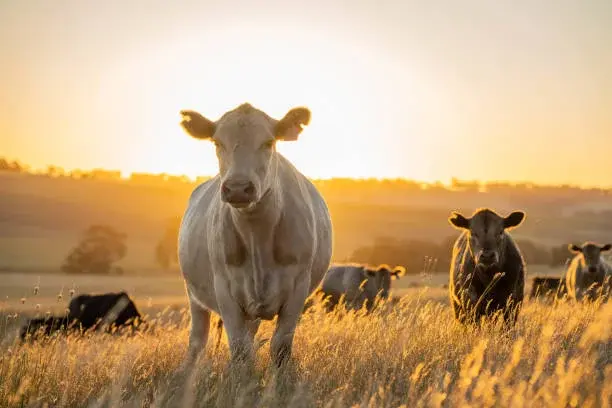
This guide offers practical tips for managing your livestock farm through each season while mitigating risks with proper insurance coverage.
1. Winter Planning
Winter brings cold temperatures, snow, and shorter days, which can impact livestock health and feed availability.
Key Tips:
Ensure adequate shelter, bedding, and insulation.
Provide supplemental feed to maintain weight and energy.
Check water sources to prevent freezing.
Schedule vaccinations and health checks before winter stress peaks.
Explore Now: Winter Livestock Care Tips
2. Spring Planning
Spring is often the busiest season with births, pasture growth, and herd expansion.
Key Tips:
Prepare birthing areas and monitor breeding cycles.
Rotate pastures to prevent overgrazing and parasite buildup.
Fertilize fields and manage weed control.
Begin planning marketing for upcoming summer sales.
3. Summer Planning
Hot weather poses risks like heat stress, dehydration, and disease outbreaks.
Key Tips:
Ensure access to shade and clean water at all times.
Monitor for insects and parasites; implement control measures.
Adjust feed to maintain nutrient balance during high activity.
Schedule maintenance for equipment and facilities.
Check Out: Summer Livestock Care
4. Fall Planning
Fall is crucial for preparing for winter and planning for breeding and sales.
Key Tips:
Evaluate herd health and body condition.
Prepare winter feed reserves and storage.
Implement breeding programs for spring births.
Review marketing strategies for holiday and seasonal sales.
Explore Now: Fall Livestock Planning Guide
5. Record Keeping and Seasonal Monitoring
Tracking farm operations is key to long-term success:
Maintain health and vaccination records.
Track breeding cycles, births, and growth rates.
Monitor pasture rotation and feed usage.
Analyze sales and revenue trends by season.
6. Risk Management and Insurance
Seasonal challenges bring financial and operational risks. Protect your farm with essential insurance:
Livestock Farm General Liability Insurance: covers injuries to third parties or property damage
Property and Farm Equipment Insurance: protects barns, tools, and equipment
Farm Workers Compensation Insurance: covers employee injuries
Commercial Auto Insurance: covers farm vehicles used for operations
Livestock Mortality Insurance: protects against loss of animals due to accidents or disease

Final Thoughts
Seasonal planning is essential for maintaining animal health, improving productivity, and maximizing profits on a livestock farm. By preparing for each season, keeping detailed records, and protecting your farm with comprehensive insurance coverage, you can ensure year-round success.
Contact us today.


