
Pothole Patching and Driveway Paving Business Insurance
Small paving jobs can create big insurance exposures. Whether your company specializes in pothole repairs, asphalt patching, driveway paving, sealcoating, or parking lot maintenance, you're operating equipment, transporting materials, and working on property that belongs to someone else.
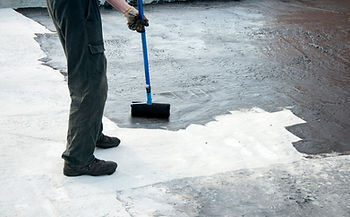
That is why insurance is often one of the first things customers, property managers, and general contractors ask about. Before taking on residential or commercial paving work, it helps to understand what coverage your business may need and why. Contractors looking for industry-specific guidance often start by reviewing asphalt paving insurance options designed for paving and asphalt operations.
What Insurance Does a Pothole Patching or Driveway Paving Business Need?
Most pothole patching and driveway paving contractors typically carry general liability insurance, commercial auto insurance, workers' compensation insurance when required, and coverage for equipment and tools.
Depending on the size of the business and the type of projects performed, contractors may also consider umbrella liability, pollution-related coverage, and contractor's equipment insurance. The exact insurance program depends on your operations, employees, contracts, and state-specific requirements.
Why Insurance Is Important for Small Paving Contractors
Many contractors start by performing driveway repairs, asphalt patching, or sealcoating work. These jobs may seem relatively simple compared to highway paving, but they still involve significant risk.
Even for a small operation, insurance can be important because:
Customers may request proof of coverage
Property managers often require certificates of insurance
General contractors frequently impose insurance requirements
Equipment lenders may require insurance on financed equipment
State laws may require workers' compensation coverage
For business owners just entering the industry, it can also be helpful to read Starting a Paving Company: Insurance Policies to Buy Before Your First Driveway or Lot, which discusses the foundational insurance policies many new contractors purchase before taking on their first project.
The Main Insurance Policies Paving Contractors Purchase
General Liability Insurance
General liability insurance is usually the first policy a paving contractor purchases.
This coverage typically addresses third-party bodily injury claims, property damage claims, and certain personal or advertising injury exposures, subject to policy terms, limitations, and exclusions.
Commercial Auto Insurance
Most asphalt businesses rely on vehicles every day.
These may include:
Pickup trucks
Dump trucks
Flatbed trucks
Equipment trailers
Service vehicles
Commercial auto insurance is generally designed for business vehicle use and may provide liability and physical damage coverage depending on policy design.
Personal auto policies are typically not intended for commercial paving operations.
Workers' Compensation Insurance
Workers' compensation insurance is often required when a company has employees, although rules vary by state.
Paving operations involve physical labor, hot materials, machinery, and construction site hazards. Because requirements differ from state to state, contractors should consult the appropriate state agency for guidance.
Contractor's Equipment Coverage
Many paving businesses own equipment such as:
Rollers
Plate compactors
Asphalt cutters
Sealcoating units
Crack-filling machines
Skid steers
Trailers
Contractor's equipment coverage is commonly used to help protect covered equipment while traveling between job sites or stored temporarily away from the business location.
Who Typically Asks for Proof of Insurance?
Insurance requirements usually come from more places than many contractors expect.
Homeowners
Residential customers may want reassurance that the contractor performing work on their property carries insurance.
Commercial Property Owners
Property managers, shopping center owners, apartment complexes, and commercial landlords frequently request certificates of insurance before authorizing work.
General Contractors
General contractors commonly include insurance requirements within subcontract agreements.
These requirements may involve:
Additional insured endorsements
Waivers of subrogation
Minimum liability limits
Ongoing completed operations requirements
Equipment Financing Companies
A lender that finances a paving machine, roller, or trailer may require evidence of insurance protecting its interest.

Coverage Gaps That Frequently Surprise Paving Contractors
Insurance policies are not all-inclusive. Understanding common exclusions is just as important as understanding what may be covered.
Employee Injuries
Many business owners are surprised to learn that general liability insurance generally does not replace workers' compensation insurance for employee injuries.
Equipment Wear and Tear
Insurance is generally not intended to serve as a maintenance contract.
Normal wear, deterioration, and certain mechanical breakdowns may not be covered.
Pollution-Related Exposures
Paving work often involves asphalt products, fuel, oils, and related materials.
Some pollution-related incidents may be excluded or limited under standard liability policies. Contractors should discuss environmental exposures with their insurance advisor, especially when performing larger commercial or municipal projects.
Contract Requirements
A customer contract may require coverage enhancements that are not automatically included in every policy.
Reviewing contracts before signing can help identify these obligations early and workplace safety resources can be found through OSHA.
What Affects the Cost of Paving Business Insurance?
Insurance pricing depends on several factors.
Type of Work Performed
Residential driveway paving generally presents different exposures than municipal roadway work or large commercial parking lot projects.
Annual Revenue
Higher revenue typically means more projects and greater overall exposure.
Payroll and Crew Size
The number of employees and payroll levels can affect several coverage lines, including workers' compensation.
Vehicle Fleet
The type, number, and use of vehicles matter significantly in underwriting.
Equipment Values
Contractors with larger equipment schedules may require broader equipment protection.
Project Size and Contract Requirements
Larger commercial projects often involve more extensive insurance requirements than small residential repairs.
Businesses that begin moving into government paving projects should also understand bonding requirements. A helpful next step is reviewing Asphalt Contractor Surety Bonds for Public Paving Projects: What Bonds Are Required, especially if bidding on municipal, county, or state-funded contracts.
It is important to remember that surety bonds are not insurance. A surety bond is a three-party guarantee involving the contractor, project owner, and surety company. Approval depends on underwriting review and financial qualifications.
How to Get a Quote for Pothole Patching and Driveway Paving Insurance
The process typically moves faster when you have accurate information ready.
Most insurance advisors will request:
Business entity details
Years of experience
Estimated annual revenue
Payroll information
Vehicle schedules
Driver information
Equipment lists
Types of paving operations performed
They may also ask about:
Driveway paving
Pothole patching
Sealcoating
Asphalt repair
Parking lot maintenance
Crack sealing
Municipal work
Providing detailed information gives underwriters a clearer picture of your business and may help avoid delays during the quoting process.
Contractors seeking specialized paving contractor insurance solutions often benefit from working with insurance professionals who understand asphalt, pavement maintenance, and roadway construction operations.
Because licensing, insurance, and contractor requirements vary by state, business owners should consult their state's official licensing authority and insurance department. Additional insurance education resources are available through the National Association of Insurance Commissioners.
Frequently Asked Questions
Do driveway paving contractors need insurance?
Most customers, property managers, and general contractors expect paving contractors to carry insurance before work begins. Specific requirements vary by project and location.
What insurance is most important for a pothole patching business?
General liability, commercial auto, workers' compensation when required, and contractor's equipment coverage are among the most common policies purchased.
Do I need workers' compensation if I hire paving laborers?
Possibly. Workers' compensation laws vary by state, so contractors should verify requirements with their state's official agency.
Are paving tools and equipment covered under general liability insurance?
Not usually. Equipment is commonly insured through separate contractor's equipment or inland marine coverage, subject to policy terms.
Do municipal paving projects require bonds?
Many public projects require surety bonds. Requirements vary by agency, project size, and state regulations.
Protect Your Paving Business Before the Next Job Starts
Whether your company focuses on driveway paving, asphalt repairs, sealcoating, or pothole patching, insurance is an important part of running a professional operation.
The right policies may help satisfy customer requirements, protect valuable equipment, address contractual obligations, and support future growth opportunities.
Coverage needs vary by state, project type, and business structure, so it is important to review your specific operation carefully.
If you're looking for coverage designed for asphalt and paving businesses, explore asphalt contractor insurance solutions and request guidance tailored to your paving operation.


