
Pole Sanders vs Power Sanders for Drywall Jobs
A Drywall contractor must choose sanding tools based on job size, surface condition, and finish expectations. Pole sanders and power sanders each serve a purpose in drywall work, from initial knockdown to final surface prep. Understanding when to use each type can save time, reduce fatigue, and improve finish quality on both small repairs and large installations.
Below is a practical comparison using commonly used pole sanders and power sanders relied on by professionals.

This pole sander is designed for controlled manual sanding on walls and ceilings. The swivel head helps maintain even pressure along joints and high areas, making it useful for feathering edges and light surface prep without aggressive material removal.
Best for: Small jobs, touch‑ups, final smoothing, low dust output
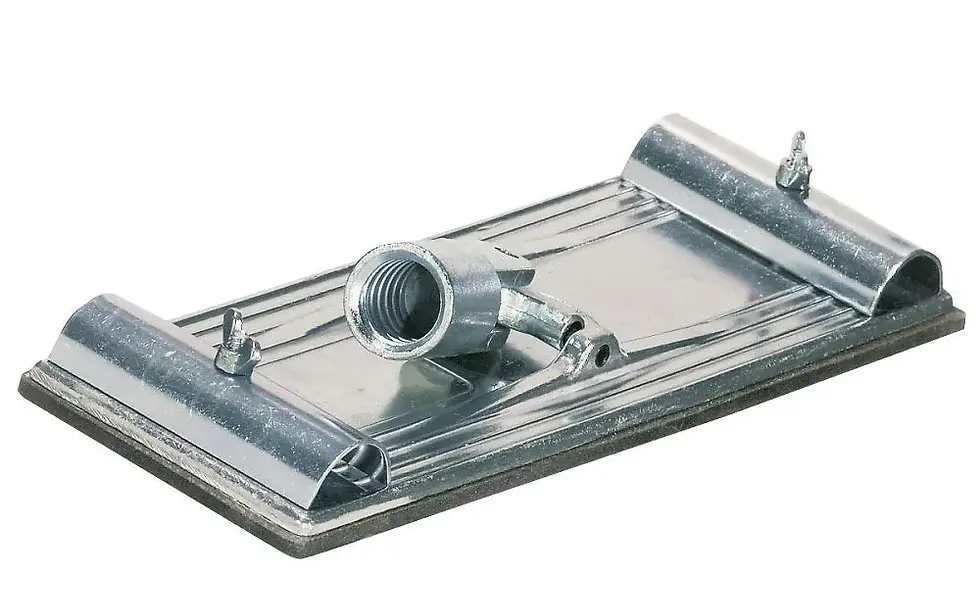
This pole sander includes dust‑control compatibility to reduce airborne debris during sanding. Contractors often use this type of tool for interior work where cleanliness matters and power sanding would be excessive.
Best for: Occupied spaces, detail sanding, cleanup‑sensitive environments

This power sander provides high material removal speed for large wall and ceiling areas. The built‑in dust collection, extendable handle, and LED lighting help contractors sand faster while maintaining visibility and cleaner jobsites.
Best for: Large installs, skim coats, time‑sensitive projects

This high‑powered drywall sander is designed for aggressive sanding and ceiling texture removal. Variable speed control allows contractors to adjust performance based on compound thickness and surface condition, helping reduce labor time on heavy sanding jobs.
Best for: Popcorn ceilings, heavy compound removal, renovation work

This professional‑grade power sander is commonly used for high‑end finishing work. Its balanced design supports extended ceiling sanding while delivering consistent, smooth results when surface quality is a top priority.
Best for: Premium finishes, commercial projects, large smooth surfaces

Pole Sanders vs Power Sanders: Which Should You Use?
Pole sanders offer greater control, lower cost, and minimal dust, making them ideal for repairs, touch‑ups, and final sanding stages. Power sanders dramatically increase speed and efficiency on large projects but require proper dust control and handling technique.
Most professional drywall contractors use both, relying on power sanders for bulk work and pole sanders for refinement and detail finishing. Choosing the right tool at the right stage helps prevent oversanding, reduces fatigue, and improves overall finish quality.
Protecting Your Drywall Business
Sanding work involves electrical equipment, overhead operation, and airborne dust exposure. While the right tools improve efficiency, protecting your drywall business helps reduce risk when equipment issues or job-site incidents occur.

Drywall Contractor Insurance may include:
Commercial auto
General liability
Property and contractors equipment insurance
Workers compensation insurance
Having the right coverage helps safeguard your tools, crew, and business growth.
👉 Click here to get a fast no‑obligation quote from Wexford Insurance.

