
Pest Control PPE Required for Commercial Jobs
Commercial pest control technicians face a wide range of workplace hazards, from pesticide exposure and contaminated environments to confined spaces and physical injury risks.

Whether treating restaurants, warehouses, healthcare facilities, apartment complexes, or industrial properties, proper personal protective equipment (PPE) is essential for technician safety and regulatory compliance.
Selecting the right pest control PPE helps reduce workplace injuries, minimize chemical exposure, improve operational efficiency, and support OSHA compliance efforts. It can also help protect pest control businesses from costly workers' compensation claims and liability issues.
In this guide, we'll cover the essential PPE required for commercial pest control jobs, explain why each piece of equipment matters, and highlight recommended products that pest control professionals commonly use in the field.
Why PPE Matters in Commercial Pest Control
Commercial pest control work often involves exposure to hazards that residential technicians may encounter less frequently.
Potential risks include:
Exposure to pesticides and insecticides
Rodent droppings and biological contaminants
Airborne particles and dust
Chemical mixing and application
Confined spaces and crawl spaces
Sharp objects and structural hazards
Insect stings and animal bites
Proper PPE acts as the first line of defense against these workplace dangers.
Additionally, many pesticide labels legally require specific PPE during application. Failing to follow these requirements can create compliance issues and increase liability exposure.
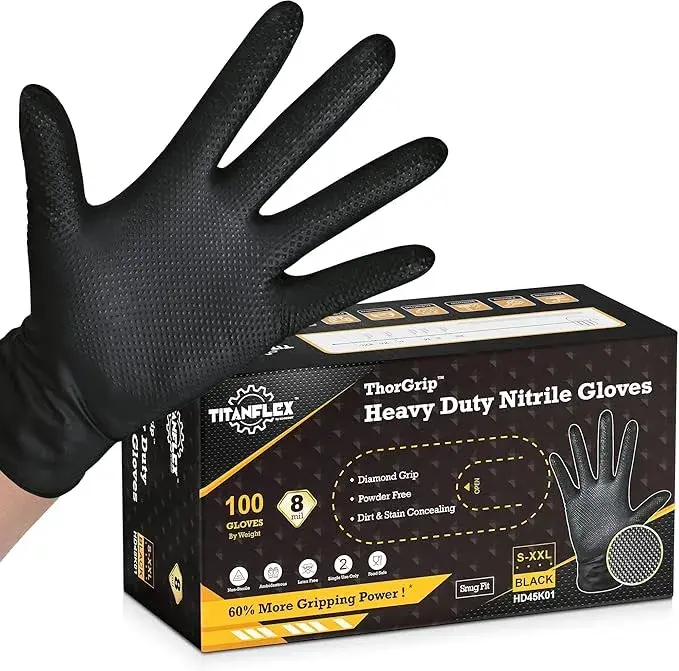
Chemical-Resistant Gloves
Hand protection is one of the most important forms of PPE for pest control technicians.
Commercial applicators frequently handle chemicals, spray equipment, bait stations, traps, and contaminated materials. Disposable nitrile gloves are widely considered the industry standard because of their excellent chemical resistance and durability.
Key features to look for include:
Nitrile construction
Chemical resistance
Puncture resistance
Textured grip
Powder-free design
Recommended Product
Benefits include:
6-mil nitrile thickness
Excellent chemical resistance
Strong puncture protection
Comfortable fit for extended wear
Respiratory Protection
Many commercial pest control jobs involve airborne hazards that require respiratory protection.
Situations where respirators may be necessary include:
Aerosol pesticide applications
Dust formulations
Attic treatments
Rodent cleanups
Crawl space inspections
Mold-related pest inspections
Respirator selection should always align with product label requirements and workplace hazard assessments.
Recommended Product
Popular features include:
Comfortable silicone face seal
Replaceable filter cartridges
Quick-latch system
Durable commercial-grade construction

Recommended Filters
These filters provide excellent protection against many airborne particles encountered in pest control work.

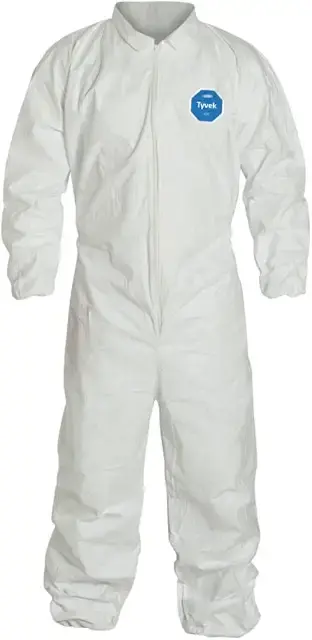
Protective Coveralls
Commercial pest control technicians often work in environments where clothing contamination is a concern.
Disposable coveralls help protect workers from:
Pesticide overspray
Dust exposure
Rodent contamination
Insulation particles
Dirty crawl spaces and attics
Recommended Product
Key benefits include:
Lightweight construction
Breathable material
Full-body coverage
Disposable convenience
Excellent contamination protection
Tyvek coveralls are frequently used throughout the pest control industry for inspections and treatment applications.
Safety Glasses and Eye Protection
Pesticide splashes can cause serious eye injuries. Eye protection is critical when mixing chemicals, filling sprayers, or performing treatments overhead.
Commercial technicians should select eyewear that provides:
Impact resistance
Chemical splash protection
Anti-fog coatings
Comfortable all-day wear
Recommended Product
Features include:
Anti-fog lens coating
Comfortable seal
Dust protection
Impact-resistant construction

Protective Footwear
Commercial pest control technicians spend much of their day walking through warehouses, industrial facilities, kitchens, landscaping areas, and construction environments.
Proper footwear helps protect against:
Slips and falls
Sharp objects
Chemical spills
Uneven terrain
Wet conditions
Recommended Product
Advantages include:
Slip-resistant outsole
Durable leather construction
Comfortable cushioning
Safety-focused design

Head Protection for Specialized Jobs
While not required for every service call, certain commercial environments may require hard hats.
Examples include:
Construction sites
Industrial facilities
Manufacturing plants
Warehouses with overhead hazards
Recommended Product
Benefits include:
Lightweight design
Durable shell construction
Comfortable suspension system
Widely recognized safety standard

High-Visibility Safety Apparel
Many commercial pest control technicians work around vehicle traffic, loading docks, parking lots, and industrial operations.
High-visibility apparel can improve worker visibility and reduce accident risks.
Recommended Product
Features include:
ANSI-compliant reflective materials
Lightweight design
Multiple storage pockets
Durable construction

PPE Requirements May Vary by Product Label
One of the most important aspects of pest control safety is understanding that pesticide labels often dictate PPE requirements.
Labels may specify:
Glove materials
Respirator requirements
Eye protection standards
Coverall requirements
Footwear requirements
Technicians should always review label instructions before handling or applying any pesticide product.
Following label requirements not only protects workers but also helps maintain compliance with federal and state regulations.
Creating a PPE Program for Your Pest Control Business
Successful pest control companies typically establish formal PPE programs that include:
Hazard assessments
PPE selection guidelines
Employee training
Equipment inspections
Replacement schedules
Documentation procedures
A structured approach helps ensure consistency across technicians and reduces the likelihood of workplace incidents.
PPE and Insurance Risk Management
Personal protective equipment is a critical component of any pest control company's overall risk management strategy.
Businesses that emphasize safety often experience:
Fewer workplace injuries
Reduced workers' compensation claims
Lower operational disruptions
Improved employee retention
Stronger compliance practices
Insurance carriers frequently view documented safety programs favorably because they help reduce claim frequency and severity.
Protect Your Business Beyond PPE
Even with proper PPE, accidents and unexpected events can occur.
Commercial pest control businesses face a variety of exposures, including:
General liability claims
Chemical drift allegations
Property damage claims
Employee injuries
Commercial vehicle accidents
Pollution-related incidents
That's why many pest control companies supplement their safety programs with comprehensive business insurance coverage.
Get a Pest Control Insurance Quote
If you own or operate a pest control business, Wexford Insurance can help you evaluate your risks and identify coverage options designed specifically for contractors and service-based businesses.

Coverage may include:
General liability insurance
Workers' compensation insurance
Commercial auto insurance
Pollution liability coverage
Inland marine coverage
Umbrella insurance
Wexford Insurance Call-to-Action: Call us at 317-942-0549 or visit www.wexfordins.com.
Final Thoughts
PPE is an essential investment for commercial pest control businesses. From chemical-resistant gloves and respirators to coveralls, eye protection, and safety footwear, the right equipment helps protect technicians from the many hazards they encounter in the field.
By combining proper PPE, employee training, and comprehensive insurance coverage, pest control companies can create safer workplaces, reduce liability risks, and improve long-term business performance.
For commercial pest control professionals, safety isn't just a compliance requirement. It's a critical part of running a successful and sustainable business.


