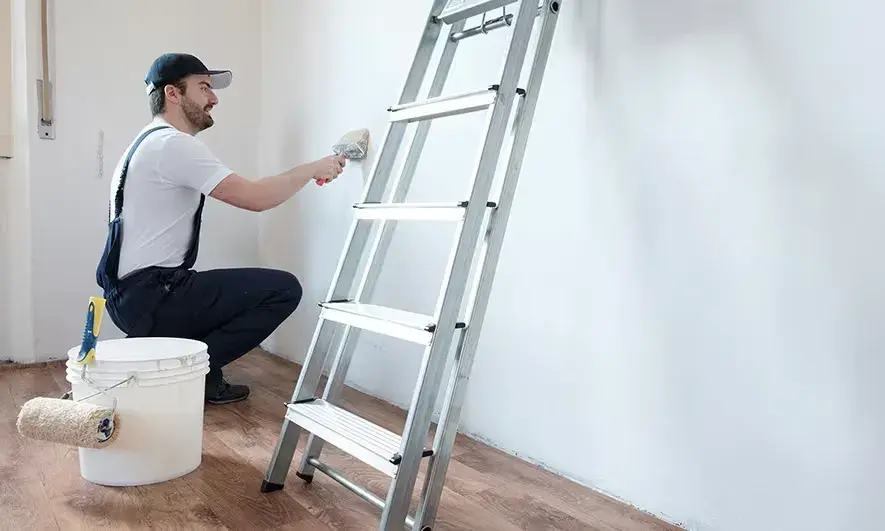
Painting Contractor Insurance in Florida: Requirements and Costs
Starting or growing a painting business in Florida comes with plenty of opportunities, but it also comes with risks. Whether you're painting residential homes, commercial buildings, or large industrial projects, accidents can happen. Many contractors ask the same questions: What insurance do I need, and how much will painting contractor insurance in Florida cost?

The answer depends on your business operations, the jobs you perform, your employees, and your contractual requirements. Understanding Painting Contractor Insurance in Florida: Requirements and Costs can help you make informed decisions and better protect your business from unexpected events.
What Is Painting Contractor Insurance in Florida?
Painting contractor insurance is a collection of insurance policies designed to help protect painting businesses from common risks such as property damage, customer injuries, employee accidents, equipment losses, and vehicle-related claims.
Most painting contractors carry several types of coverage rather than relying on a single policy. The exact insurance needs of your business will depend on the size of your operation, the types of projects you complete, and any contractual requirements from customers or general contractors.
Why Painting Contractors Need Insurance
Painting may seem like a lower-risk trade compared to some construction activities, but it still presents significant exposures.
Common risks include:
Overspray damage to nearby property
Customer slip-and-fall accidents
Ladder-related injuries
Vehicle accidents
Damage to customer belongings
Employee injuries
Theft of equipment and tools
Contractual insurance requirements
Even a small mistake can lead to expensive claims, legal costs, or project delays. Insurance may help provide financial protection when covered incidents occur.
Florida Licensing Considerations for Painting Contractors
Florida licensing requirements can vary depending on the scope of work, project type, and local regulations. In many situations, painting contractors may not need a state-certified contractor license for painting work alone, but local municipalities may have registration, permitting, or business licensing requirements.
Because regulations can change, painting contractors should verify current requirements with local authorities and the Florida Department of Business and Professional Regulation (DBPR).
Helpful resource:
Many commercial customers and general contractors may also require proof of insurance before allowing a contractor to begin work.
Common Types of Insurance for Painting Contractors
General Liability Insurance
General liability insurance is often the foundation of a painting contractor insurance program.
This coverage may help with claims involving:
Third-party bodily injury
Third-party property damage
Legal defense expenses, depending on the policy
Personal and advertising injury claims
For example, if paint accidentally damages a customer's flooring, cabinetry, or landscaping, general liability insurance may help respond if the claim falls within policy coverage.
Many job sites require proof of general liability insurance before work can begin.
Workers' Compensation Insurance
Painting work often involves ladders, scaffolding, repetitive movements, and physical labor.
Workers' compensation insurance may provide benefits for covered work-related injuries and illnesses, subject to Florida law and policy terms.
Common claims can involve:
Falls from ladders
Back injuries
Repetitive strain injuries
Equipment-related accidents
Exposure to paint fumes or chemicals
Requirements vary depending on business structure, employee count, and applicable state regulations. Contractors should confirm current requirements with state authorities and insurance professionals.
Commercial Auto Insurance
Most painting contractors rely on vans, trucks, or other company vehicles to transport employees, materials, and equipment.
Commercial auto insurance may help cover:
Vehicle accident liability
Property damage claims
Bodily injury claims
Physical damage to covered vehicles
Personal auto policies are generally not intended for business-related driving activities.
Tools and Equipment Coverage
Painting businesses often invest heavily in tools and equipment.
This may include:
Paint sprayers
Scaffolding
Ladders
Compressors
Pressure washers
Safety equipment
Tools and equipment coverage, often provided through inland marine insurance, may help protect covered items when they are stolen, damaged, or lost, depending on policy terms.
Commercial Property Insurance
If your business owns or leases an office, warehouse, or storage facility, commercial property insurance may be an important consideration.
Coverage may help protect:
Buildings
Inventory
Furniture
Computers
Supplies
Business equipment
Coverage depends on policy terms, limits, and exclusions.
Contractors Professional Liability Insurance
Some painting contractors provide consultations, specifications, or project recommendations.
Professional liability insurance may help address claims involving alleged professional errors, omissions, or advice-related issues.
Coverage varies based on the policy and the services performed.
Commercial Umbrella Insurance
Large projects can create larger liability exposures.
Commercial umbrella insurance provides additional liability protection above certain underlying policies when covered claims exceed their limits.
Growing businesses often evaluate umbrella coverage as part of a broader risk management strategy.

What Does Painting Contractor Insurance Typically Cover?
Coverage depends on your specific policies and endorsements.
Depending on the policy selected, insurance may help with:
Customer injury claims
Property damage claims
Employee injuries
Job site accidents
Vehicle accidents
Equipment losses
Legal defense expenses
Completed operations claims
Every policy contains conditions, exclusions, and limitations that should be carefully reviewed.
What May Not Be Covered?
Insurance policies do not cover every situation.
Common exclusions may include:
Intentional damage
Criminal acts
Contract disputes
Normal wear and tear
Certain pollution-related exposures
Unapproved business activities
The specific exclusions will vary by insurer and policy form.
Business owners should review coverage details with a licensed insurance agent to fully understand what is and is not covered.
How Much Does Painting Contractor Insurance Cost in Florida?
One of the most common searches online is related to the cost of painting contractor insurance in Florida.
The truth is that there is no one-size-fits-all answer.
Insurance costs typically vary based on factors such as:
Annual revenue
Number of employees
Claims history
Coverage limits
Project types
Vehicle fleet size
Equipment value
Geographic service area
Subcontractor usage
A small owner-operator painting residential homes may have significantly different insurance needs than a larger company handling commercial projects.
Because insurance pricing varies by business, state, carrier, and underwriting factors, obtaining customized quotes is the most reliable way to estimate costs.
Factors That Affect Insurance Requirements
Residential vs. Commercial Projects
Commercial projects often involve larger contract requirements and higher liability exposures than residential work.
Property managers, developers, and general contractors frequently require contractors to carry specific insurance limits.
Employee Count
As your workforce grows, your exposure to workplace injuries may increase.
More employees can influence workers' compensation requirements and overall insurance needs.
Use of Subcontractors
Many painting businesses hire subcontractors during busy periods.
When subcontractors are involved, it is important to review contracts and insurance requirements carefully with your legal and insurance advisors.
Project Size and Scope
Painting a single-family home presents different risks than working on a large commercial property, warehouse, or multi-story structure.
Insurance requirements often become more complex as project sizes increase.
Risk Management Tips for Painting Contractors
Insurance works best when paired with strong safety practices.
Consider implementing these strategies:
Conduct regular ladder safety training
Maintain written safety procedures
Use proper fall protection equipment
Inspect tools before use
Secure paint and chemicals properly
Document completed work
Maintain vehicle safety programs
Keep certificates of insurance organized
A strong safety culture may help reduce the likelihood of claims and operational disruptions.
For workplace safety guidance, visit:
How to Choose the Right Painting Contractor Insurance
Choosing insurance involves more than simply comparing prices.
Consider the following when evaluating coverage:
The types of projects you perform
Number of employees
Vehicle usage
Equipment value
Contract requirements
Growth plans
Claims history
An experienced insurance professional can help identify potential coverage gaps and explain policy options that fit your business.
Since every contractor operates differently, insurance recommendations should always be tailored to the individual business.
Why Annual Insurance Reviews Matter
Many contractors purchase insurance and rarely update their policies.
However, businesses often change over time.
A yearly review can help ensure:
New vehicles are properly listed
Additional equipment is covered
Payroll figures remain accurate
Coverage limits remain appropriate
Contract requirements are satisfied
Regular policy reviews help keep coverage aligned with your current operations.
Frequently Asked Questions
Do painting contractors need insurance in Florida?
Many painting contractors carry insurance to help protect against liability claims, vehicle accidents, employee injuries, and property damage. Requirements may vary based on contracts, business structure, and local regulations.
What insurance is most important for painting contractors?
General liability insurance is commonly considered essential, but many contractors also carry workers' compensation, commercial auto insurance, tools and equipment coverage, and umbrella insurance.
How much does painting contractor insurance cost in Florida?
Costs vary widely based on factors such as revenue, payroll, claims history, project types, coverage limits, and the size of your operation. A customized quote provides the most accurate estimate.
Does general liability insurance cover property damage caused by paint?
Some property damage claims may be covered depending on policy language, exclusions, endorsements, and the circumstances of the claim.
Do independent painting contractors need insurance?
Many owner-operators carry insurance even when not legally required because customers, project owners, or general contractors often request proof of coverage.
Protect Your Florida Painting Business with the Right Insurance
Whether you're painting homes, office buildings, retail spaces, or industrial properties, the right insurance coverage can help safeguard your business from common risks. Wexford Insurance helps painting contractors explore policies that may address liability, vehicles, employees, tools, and equipment.
\Request a free quote today and discover insurance options built for painting contractors.