
Mold Remediation Business Insurance: Coverage for Restoration Pros
Running a mold remediation company means you deal with high-risk environments every day. One mistake, missed spore, or customer complaint can quickly turn into a costly claim. That’s why understanding mold remediation business insurance is critical for protecting your work, your team, and your reputation.
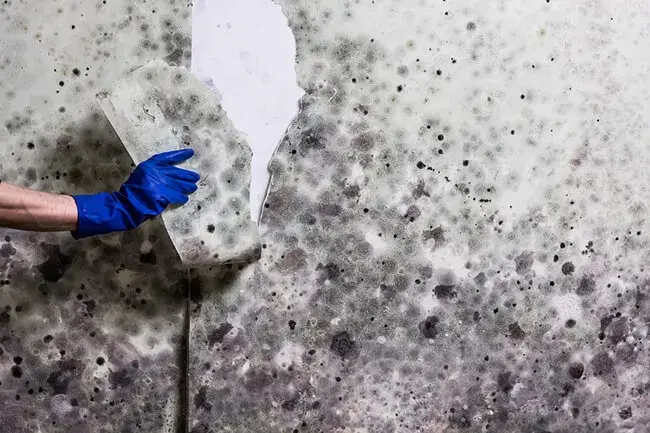
In this guide, we’ll break down what coverage restoration pros need, how it works, and how to choose the right policies for your business.
What Is Mold Remediation Business Insurance?
Mold remediation business insurance is a group of policies designed to protect companies that inspect, remove, and prevent mold growth. Because your work involves environmental hazards and property damage risks, standard contractor insurance may not be enough on its own.
Most restoration professionals carry a combination of policies that address:
Property damage during remediation work
Mold-related liability claims
Employee injuries on job sites
Equipment loss or damage
Business interruptions
Depending on your work and contracts, you may need specific coverages tailored to environmental or pollution risks.
Why Mold Remediation Contractors Need Specialized Coverage
Mold is not like typical construction dust or debris. It can spread quickly, affect indoor air quality, and lead to health concerns for property owners. That creates a higher level of liability for your business.
For example, if a homeowner claims your remediation work didn’t fully eliminate mold—or made it worse—you could face:
Property damage claims
Health-related lawsuits
Contract disputes
Costly rework demands
According to the https://www.epa.gov/moldEPA’s mold guidance, mold exposure can cause a range of health issues, which increases the legal stakes for remediation professionals.
Standard general liability policies often exclude pollution-related claims. That’s why many mold remediation contractors need additional environmental or pollution liability insurance.
What Does Mold Remediation Business Insurance Cover?
Mold remediation business insurance typically includes several key policies working together. Here’s a simple breakdown.
This is the foundation for most contractors.
It typically helps cover:
Third-party property damage
Bodily injury claims
Legal defense costs
Example: If a customer trips over your equipment during a job, this policy may help cover medical and legal expenses.
However, mold-related claims may be excluded unless you add endorsements or separate coverage.
Pollution Liability Insurance (Environmental Insurance)
This is one of the most important policies for mold remediation contractors.
Pollution liability insurance may cover:
Mold contamination claims
Improper removal or disposal issues
Air quality-related damages
Legal defense tied to environmental claims
Because mold is often classified as a pollutant, this coverage fills a major gap left by standard policies.
If you have employees, most states require this coverage.
It typically helps with:
Medical bills for work-related injuries
Lost wages during recovery
Rehabilitation costs
Mold remediation jobs often involve confined spaces, protective gear, and exposure risks, making this a must-have policy.
This coverage protects your business property and equipment.
It may cover:
Drying equipment
Containment tools
Office space and storage
Fire, theft, or vandalism
If your equipment is essential for daily operations, this coverage helps you recover after unexpected losses.
Inland Marine Insurance (Tools & Equipment)
Your tools don’t stay in one place—they travel from job site to job site.
Inland marine insurance may cover:
Equipment in transit
Tools on job sites
Portable machinery
This is especially important for restoration pros who rely on expensive, mobile equipment.
If your business uses vehicles, this coverage is required in most states.
It typically helps cover:
Vehicle accidents
Property damage
Injury claims involving business vehicles
Whether you have one van or a full fleet, this coverage protects your operations on the road.

How Much Does Mold Remediation Insurance Cost?
The cost of mold remediation insurance varies widely. There is no one-size-fits-all price.
Your premiums depend on factors like:
Business size and annual revenue
Number of employees
Types of services offered (inspection vs. full remediation)
Claims history
Coverage limits and deductibles
State regulations
As a general illustration, smaller operators may see annual premiums ranging from a few thousand dollars to higher amounts for more complex operations. However, this can vary significantly based on your risk profile and coverage needs.
For a broader look at how business insurance pricing works, the Small Business Administration provides a helpful overview.
The best way to get accurate pricing is to work with a licensed agent who understands restoration risks.
How to Choose the Right Insurance for Your Mold Remediation Business
Not all policies are created equal. Choosing the right coverage comes down to understanding your risks and contracts.
Here’s a simple approach:
1. Review Your Services
Are you doing:
Mold inspections only?
Full remediation and removal?
Reconstruction after remediation?
The more hands-on the work, the higher your exposure.
2. Check Contract Requirements
Many clients—especially commercial ones—will require:
Specific liability limits
Pollution liability coverage
Certificates of insurance
Failing to meet these requirements could cost you jobs.
3. Evaluate Coverage Limits
Lower limits may save money upfront but can leave your business exposed during a large claim.
A serious mold-related lawsuit can involve legal costs, remediation disputes, and reputational damage.
4. Look for Policy Exclusions
Always review what your policy does NOT cover.
Common exclusions may include:
Mold or pollution claims (unless added)
Faulty workmanship
Pre-existing contamination
Understanding these gaps helps you avoid surprises.
5. Work With a Specialist
Mold remediation is a niche industry. Working with an agent who understands environmental risks can make a big difference in getting the right protection.
What Insurance Do Restoration Professionals Usually Need? (Direct Answer)
Most mold remediation businesses carry a combination of the following policies:
General liability insurance for basic third-party claims
Pollution liability insurance for mold and environmental risks
Workers’ compensation for employee injuries
Commercial auto insurance for company vehicles
Inland marine insurance for tools and equipment
Commercial property insurance for office and storage protection
The exact mix depends on your services, contracts, and risk level. A licensed insurance agent can help tailor a policy package to your specific business.
Common Risks Faced by Mold Remediation Companies
To understand why insurance matters, it helps to look at real-world risks.
These include:
Incomplete remediation claims – A client says mold returned after your work
Cross-contamination – Mold spreads to other areas during removal
Health complaints – Customers claim illness due to exposure
Property damage – Structural damage occurs during the process
Employee exposure risks – Workers get injured or sick on the job
Equipment theft or breakdown – Expensive machines go missing or fail
Each of these scenarios can lead to financial losses if you’re not properly insured.
Tips to Reduce Insurance Costs
While you can’t eliminate risk entirely, you can take steps to manage it.
Here are a few practical tips:
Train employees on proper containment and safety procedures
Use high-quality protective equipment and tools
Keep detailed job documentation and photos
Follow industry standards for mold remediation
Maintain a clean claims history when possible
Insurance companies often look favorably on businesses that actively manage risk.
FAQ: Mold Remediation Business Insurance
Do I need pollution liability insurance for mold remediation?
In most cases, yes. Mold is often classified as a pollutant, and standard liability policies may exclude these claims. Pollution liability insurance helps fill that gap.
Is mold coverage included in general liability insurance?
It depends on the policy. Many general liability policies exclude mold-related claims unless you add specific endorsements or carry separate coverage.
Can I get insurance if I’m a small or new remediation business?
Yes. Many insurance providers offer policies for startups and small contractors. Your cost and coverage options will depend on your services and risk profile.
Does insurance cover faulty mold removal work?
Coverage depends on your policy details. Some policies may exclude faulty workmanship, while others may help with resulting damage. Always review your exclusions carefully.
How do I get proof of insurance for clients?
Your insurance provider can issue a certificate of insurance (COI). This document shows your coverage details and is often required before starting a job.
Protect Your Mold Remediation Business with the Right Coverage
Mold remediation comes with serious risks—but the right insurance can help you operate with confidence. From pollution liability to equipment protection, having the proper coverage in place can make the difference between a manageable setback and a major financial hit.
If you’re unsure where to start, the best next step is to speak with a licensed professional who understands your industry.
Wexford Insurance specializes in helping contractors and restoration professionals find coverage that fits their real-world risks.
Call 317-942-0549 or visit https://www.wexfordins.com/ to request your free quote today.


