
Millwright Insurance Requirements From Plants and Manufacturers: What Customers Ask For
Industrial plants and manufacturing facilities rarely hire millwright contractors without first reviewing their insurance program. Before a contractor installs machinery, performs maintenance, relocates equipment, or enters an active production facility, the customer typically wants proof that the contractor carries the required coverage.
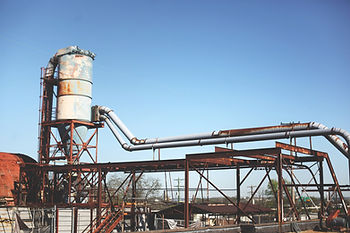
Millwright insurance requirements from plants and manufacturers commonly include general liability insurance, workers' compensation, commercial auto coverage, and certificates of insurance showing specific endorsements.
Depending on the project, customers may also require umbrella liability, equipment coverage, or specialized policies tied to installation and technical services.
Many contractors start by reviewing specialized millwright business insurance designed around the contractual requirements commonly found in industrial projects.
What Insurance Do Plants and Manufacturers Typically Require From Millwright Contractors?
The short answer is that most facilities want to verify a contractor can meet both operational and contractual risk management requirements before work begins.
Requirements commonly include:
Workers' compensation insurance
Commercial auto insurance
Umbrella liability insurance
Certificates of insurance
Additional insured endorsements
Waivers of subrogation
Primary and noncontributory wording
The exact requirements vary by facility, project size, state regulations, and customer risk tolerance.
A small maintenance project may have different requirements than a large machinery installation or production line relocation.
Why Manufacturers Closely Review Contractor Insurance
Manufacturing facilities often operate expensive equipment and maintain strict safety standards. Bringing outside contractors into those environments creates potential exposures that facility owners want to manage carefully.
Millwright contractors regularly work around:
Production lines
Packaging equipment
Conveyor systems
Power generation equipment
Food processing machinery
Industrial automation systems
Material handling equipment
Contractors providing technical services while working around industrial equipment should also follow applicable workplace safety standards Safety and Health Administration (OSHA).
Risk Management Is a Business Requirement
Most facilities are not trying to make the insurance process difficult. Their goal is to verify that contractors have appropriate coverage before allowing work to begin.
Risk managers and procurement departments often review:
Certificates of insurance
Endorsements
Coverage limits
Policy effective dates
Named insured information
Additional insured status
Incomplete insurance documentation can delay project scheduling and facility access.
General Liability Insurance Requirements
General liability insurance is typically the foundation of most contractor insurance programs.
What Customers Expect to See
Manufacturers commonly require evidence of general liability insurance because it is designed to address certain third-party claims involving bodily injury and property damage.
Facilities frequently review whether the contractor carries:
Active coverage
Required limits
Additional insured endorsements
Completed operations protection
Coverage depends on policy wording and underwriting.
Property Damage Concerns
Millwright contractors often work near expensive machinery and production systems.
If installation work, maintenance activities, or equipment relocation operations affect customer property, liability concerns may arise.
This is one reason plant owners often scrutinize contractor liability coverage before a project begins.
Workers' Compensation Requirements
Workers' compensation requirements are among the most consistently requested forms of insurance.
Why Facilities Require Workers' Compensation
Manufacturers generally want confirmation that contractor employees are protected if workplace injuries occur.
Workers' compensation is often required by state law when businesses employ workers, though requirements vary by state.
Customers commonly request proof of:
Active workers' compensation coverage
Employer's liability coverage
Current policy dates
Contractor Access Requirements
Many industrial facilities will not issue site credentials or grant work authorization until workers' compensation requirements have been verified.
This is especially common during:
Plant shutdowns
Equipment installations
Machinery relocation projects
Facility expansions
The process helps facilities manage contractor risk and comply with internal safety protocols.

Commercial Auto and Transportation Coverage
Millwright operations typically involve transporting tools, equipment, and personnel between project locations.
Many manufacturers expect contractors to maintain commercial auto coverage when company vehicles are used in business operations.
Why Auto Coverage Matters
Millwright crews often travel with:
Trailers
Rigging equipment
Alignment tools
Service vehicles
Portable machinery
Vehicle-related accidents create different exposures than those addressed by general liability insurance.
Commercial auto insurance is often required whenever contractor vehicles enter facility property.
Additional Insured and Contract Requirements
Some of the most misunderstood project requirements involve policy endorsements rather than the insurance policies themselves.
Additional Insured Status
Many manufacturers require the facility owner to be added as an additional insured.
This endorsement may help extend certain protections under the contractor's liability policy, subject to policy terms.
Waiver of Subrogation
Many contracts also request waivers of subrogation.
These provisions often appear in industrial maintenance, installation, and construction agreements.
Primary and Noncontributory Requirements
Larger facilities frequently request primary and noncontributory wording as part of contract insurance requirements.
Business owners who want a better understanding of how commercial insurance is regulated can review consumer resources published Association of Insurance Commissioners (NAIC). Insurance requirements, policy forms, and regulations can vary by state.
Specialized Coverage Requirements for Millwright Operations
Some projects involve exposures beyond standard liability and workers' compensation requirements.
Tools and Equipment Coverage
Millwright contractors often own expensive tools, diagnostic devices, rigging equipment, and installation equipment.
Facilities may want assurance that contractors properly insure their own equipment.
Businesses that transport specialized equipment between projects should also review Inland Marine Insurance for Millwrights: Tools, Rigging Gear, and Equipment in Transit.
Professional Services Exposure
Many modern millwright contractors provide technical expertise in addition to physical installation work.
Examples include:
Equipment alignment
Troubleshooting
Technical recommendations
Startup assistance
Installation consultation
When professional advice becomes part of the service, a separate discussion about professional liability exposure may become appropriate.
Contractors performing these services should also explore Millwright Professional Liability Insurance: Alignment Errors, Installation Mistakes, and Technical Advice, especially when customer decisions rely on technical recommendations and expertise.
What Manufacturers Usually Do Not Accept
Some contractors assume that having insurance automatically satisfies customer requirements.
In practice, facilities often reject documentation for reasons such as:
Expired Policies
Certificates showing expired coverage typically will not satisfy contract requirements.
Missing Endorsements
Many projects require specific endorsements in addition to basic insurance.
Mismatched Business Information
Differences between legal business names, certificates, and contracts can create delays.
Insufficient Documentation
Customers often request supporting documentation beyond a standard certificate of insurance.
Reviewing contracts early can help avoid last-minute compliance issues.
What Affects a Contractor's Ability to Meet Customer Requirements?
The insurance purchased is only part of the equation.
Several factors influence whether contractors can meet project requirements efficiently.
Type of Work Performed
Insurers typically evaluate:
Equipment installation
Machinery relocation
Plant maintenance
Shutdown services
Rigging operations
Technical consulting
Different activities may affect underwriting requirements.
Claims History
Past claims often receive attention during underwriting.
Years in Business
Experience and operational history may influence insurance placement options.
Project Scope
Larger projects often involve more stringent insurance requirements.
Contractors working with major manufacturers frequently discover that project-specific requirements become more complex as contract values increase.
How to Prepare Before a Customer Requests Insurance Documents
The best time to review insurance requirements is before the contract arrives.
Businesses should maintain updated records including:
Certificates of insurance
Policy information
Endorsement documentation
Vehicle schedules
Employee information
Maintaining organized records can reduce delays when opportunities arise.
If a project requires a surety bond, remember that bonds are not insurance.
A surety bond is a three-party guarantee involving the principal, obligee, and surety. Approval depends on underwriting review and financial qualifications and should never be assumed.
Frequently Asked Questions
What insurance do manufacturers usually require from millwright contractors?
Most facilities request general liability, workers' compensation, and commercial auto insurance. Some projects may also require umbrella liability and specific endorsements.
What is an additional insured requirement?
An additional insured endorsement may extend certain protections under a contractor's policy to another party, subject to the policy's terms and conditions.
Why do plants ask for certificates of insurance?
Certificates provide evidence that required insurance coverage is in place before work begins.
Do all manufacturers require the same insurance?
No. Requirements vary depending on the facility, industry, state, project scope, and risk management practices.
Can contract requirements be different from insurance policy requirements?
Yes. Contracts often contain insurance obligations that extend beyond the basic policy itself, making contract review important.
Meeting Insurance Requirements Before the Bid Is Won
Many millwright contractors focus on insurance only after a customer requests documents. In reality, successful contractors often prepare well in advance because manufacturers and industrial facilities frequently make insurance compliance part of the contractor selection process.
If your business installs, relocates, aligns, maintains, or services industrial equipment, consider reviewing specialized millwright insurance solutions designed around the insurance requirements commonly requested by plants, manufacturers, and industrial customers. Having the right coverage in place before the opportunity arises can help projects move forward with fewer delays and fewer surprises.


