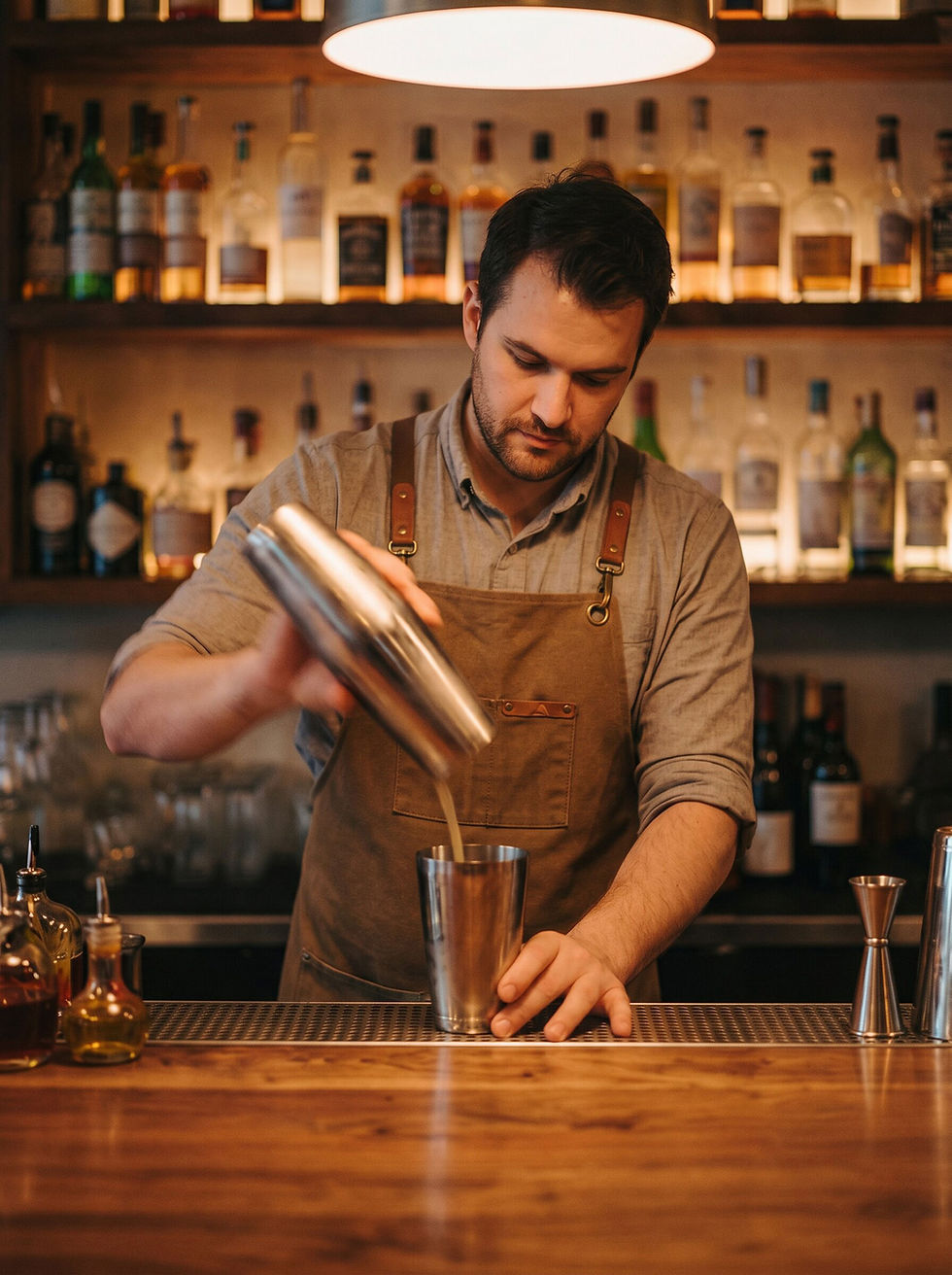
Liquor Liability Insurance in Tennessee: Requirements Explained
If you own a bar, restaurant, brewery, winery, liquor store, or event venue in Tennessee, you've probably wondered whether liquor liability insurance is required and what risks it actually protects against. Understanding the answer is important because alcohol-related claims can have serious financial consequences for a business.

Liquor liability insurance in Tennessee helps businesses address risks associated with selling or serving alcoholic beverages. Whether you're opening a new business in Nashville, operating a brewery in Knoxville, or managing a restaurant in Chattanooga, understanding Tennessee's requirements and insurance options can help you make informed decisions.
What Is Liquor Liability Insurance?
Liquor liability insurance is a specialized type of business insurance designed for businesses that manufacture, sell, distribute, or serve alcohol.
Depending on the policy and circumstances, liquor liability coverage may help address covered claims involving:
Bodily injury
Property damage
Legal defense expenses
Alcohol-related liability allegations
Coverage varies by policy and insurer. Not every claim will be covered, and policy terms, conditions, and exclusions apply.
Businesses commonly purchasing liquor liability insurance include:
Bars
Restaurants
Taverns
Breweries
Wineries
Distilleries
Event venues
Catering companies
Private clubs
Liquor stores
Is Liquor Liability Insurance Required in Tennessee?
Tennessee does not have a blanket statewide requirement that every alcohol-selling business carry liquor liability insurance. However, many business owners choose to purchase coverage because of the potential liability exposure associated with alcohol sales.
In some cases, liquor liability insurance may be required by:
Commercial landlords
Lenders
Event contracts
Vendor agreements
Franchise agreements
Property management companies
Business owners should consult legal counsel and a licensed insurance agent regarding requirements that apply to their specific operations.
The Tennessee Alcoholic Beverage Commission provides regulatory information for alcohol-related businesses:
What Tennessee Business Owners Need to Know About Liquor Liability Insurance
The simple answer is that Tennessee businesses involved in alcohol sales can face lawsuits arising from alcohol-related incidents.
Liquor liability insurance may help provide protection for covered claims involving allegations related to alcohol service. Because legal expenses and settlements can be significant, many bars, restaurants, breweries, and other alcohol-serving businesses carry this coverage as part of their overall insurance program.
Coverage depends entirely on the policy language and the specific facts of a claim.
Understanding Alcohol Liability Risks in Tennessee
Selling alcohol involves unique exposures that many other businesses don't face.
Potential risks can include:
Serving alcohol to an underage customer
Serving alcohol to an intoxicated individual
Third-party injury allegations
Property damage claims
Legal defense costs
Regulatory compliance concerns
Even businesses with excellent procedures and employee training can face allegations that require legal defense.
This is one reason liquor liability insurance is often considered an important part of a hospitality business's risk management strategy.
Which Tennessee Businesses Should Consider Liquor Liability Insurance?
Bars and Taverns
Bars typically face some of the highest alcohol-related exposures because alcohol sales are a primary source of revenue.
Insurance companies often review:
Alcohol sales volume
Operating hours
Entertainment offerings
Security practices
Claims history
A late-night bar with live entertainment may present different risks than a neighborhood tavern with limited operating hours.
Restaurants
Many Tennessee restaurants serve beer, wine, cocktails, or mixed drinks.
Restaurant owners are often surprised to learn that general liability insurance may not automatically cover certain alcohol-related exposures. Separate liquor liability coverage is frequently necessary.
Breweries and Distilleries
Tennessee has experienced growth in craft breweries and distilleries.
These businesses often face unique exposures involving:
Taprooms
Tastings
Tours
On-site events
Product sales
As operations expand, insurance needs often become more complex.
Wineries
Wineries frequently host events, tastings, and special gatherings that involve alcohol consumption on the premises.
Liquor liability insurance may be an important component of their broader insurance program.
Event Venues and Caterers
Wedding venues, banquet facilities, caterers, and event centers often serve alcohol at private functions.
Because alcohol service occurs during large gatherings, these businesses commonly evaluate liquor liability coverage carefully.
What Does Liquor Liability Insurance Typically Cover?
Coverage varies significantly by policy, but liquor liability insurance may help address several types of covered claims.
Bodily Injury Claims
Alcohol-related incidents can sometimes result in injury allegations.
Depending on the policy, coverage may help address covered claims involving:
Customer injuries
Third-party injuries
Certain accident-related allegations
Whether coverage applies depends on policy language and claim circumstances.
Property Damage Claims
Alcohol-related incidents may also involve property damage allegations.
Examples may include:
Damage to vehicles
Building damage
Other third-party property losses
Coverage depends on policy conditions and exclusions.
Legal Defense Expenses
Even when allegations are unfounded, defending a lawsuit can be expensive.
Depending on the policy, liquor liability insurance may help provide legal defense benefits for covered claims.
What Does Liquor Liability Insurance Typically Not Cover?
Business owners should understand that liquor liability insurance is not unlimited protection.
Policy exclusions vary, but coverage restrictions may apply to:
Intentional criminal acts
Fraudulent activities
Certain contractual obligations
Non-covered operations
Claims outside policy terms

Estimated Liquor Liability Insurance Costs in Tennessee
One of the most common questions business owners ask is, "How much does liquor liability insurance cost in Tennessee?"
The answer varies significantly depending on:
Business type
Alcohol sales volume
Annual revenue
Claims history
Operating hours
Coverage limits
Deductibles
Business location
The following examples are general illustrations only. Actual premiums vary by business, carrier, state regulations, and underwriting factors.
Small Restaurant
A restaurant where alcohol sales represent a smaller portion of revenue may see annual premiums ranging from approximately:
$500 to $2,500 per year
Brewery or Winery
Breweries and wineries may encounter annual liquor liability premiums ranging from approximately:
$1,000 to $7,500+ per year
depending on events, tastings, and overall operations.
Bar or Tavern
Many bars and taverns may see premiums ranging from approximately:
$2,500 to $15,000+ per year
depending on operating hours, alcohol sales, entertainment activities, and claim history.
Catering Businesses
Companies serving alcohol at weddings and private events may see premiums ranging from approximately:
$750 to $5,000+ per year
depending on the number and size of events.
Nightclubs and Entertainment Venues
Businesses with substantial alcohol sales, live entertainment, and late-night operations may see premiums ranging from approximately:
$5,000 to $30,000+ per year
depending on their risk profile.
These figures are estimates only and should not be relied upon as quotes. Actual costs vary significantly depending on individual circumstances.
Factors That Affect Tennessee Liquor Liability Insurance Rates
Insurance companies evaluate a variety of information when pricing policies.
Alcohol Sales Percentage
Businesses generating most of their revenue from alcohol often face different exposures than businesses where alcohol sales are limited.
Claims History
Past claims frequently influence underwriting decisions.
Insurers commonly review:
Liability claims
Alcohol-related incidents
Loss history
Risk management practices
Hours of Operation
Businesses operating late into the night often present different risk characteristics than establishments that close earlier.
Employee Training Programs
Responsible alcohol service training may demonstrate a commitment to risk management.
Training often includes:
ID verification
Recognizing intoxication
Service refusal procedures
Incident reporting
Security Measures
Businesses investing in security systems may improve their risk profile.
Examples include:
Surveillance cameras
Security personnel
Controlled access points
Exterior lighting
Alarm systems
How Tennessee Businesses Can Reduce Liquor Liability Risks
Insurance is important, but prevention is equally valuable.
Create Written Alcohol Service Policies
Every employee should understand expectations regarding alcohol sales and service.
Policies can include:
Age verification procedures
Acceptable forms of identification
Refusal-of-service guidelines
Incident reporting requirements
Train Employees Consistently
Regular training helps reinforce good practices and reduce avoidable errors.
Maintain Documentation
Good records may help demonstrate compliance efforts and operational consistency.
Consider maintaining:
Employee training records
Incident reports
Written procedures
Internal compliance reviews
Review Insurance Annually
Business operations change over time.
An annual review can help ensure coverage reflects:
Revenue growth
Expanded services
New locations
Increased alcohol sales
Additional small business resources are available from the U.S. Small Business Administration:
Common Mistakes Tennessee Business Owners Make
Many alcohol-serving businesses unintentionally create additional exposure.
Common mistakes include:
Assuming general liability covers liquor liability
Choosing insurance based solely on price
Failing to train employees
Ignoring policy exclusions
Not updating insurance after operational changes
Skipping annual policy reviews
Understanding these risks can help business owners make more informed decisions.
Frequently Asked Questions
Is liquor liability insurance required in Tennessee?
Not universally. However, contractual obligations, landlord requirements, licensing considerations, or lender requirements may make coverage necessary.
How much does liquor liability insurance cost in Tennessee?
Many businesses may pay between approximately $500 and $30,000+ annually, depending on their operations and risk factors. These are general estimates only.
Do restaurants in Tennessee need liquor liability insurance?
Restaurants serving alcohol should evaluate their exposure carefully because general liability insurance may not automatically cover certain alcohol-related claims.
Does liquor liability insurance cover every alcohol-related claim?
No. Coverage depends on policy language, exclusions, conditions, and the specific facts of the claim.
What affects liquor liability insurance premiums the most?
Common factors include alcohol sales volume, business type, operating hours, claims history, security measures, employee training, and coverage limits.
Get a Free Liquor Liability Insurance Quote
If your Tennessee business sells or serves alcohol, understanding your insurance options is an important step toward protecting your operation. Wexford Insurance helps business owners evaluate their risks and explore liquor liability insurance solutions tailored to their specific needs.
Call 317-942-0549 or visit https://www.wexfordins.com/ to request a free quote and speak with a licensed insurance professional about your liquor liability insurance needs.