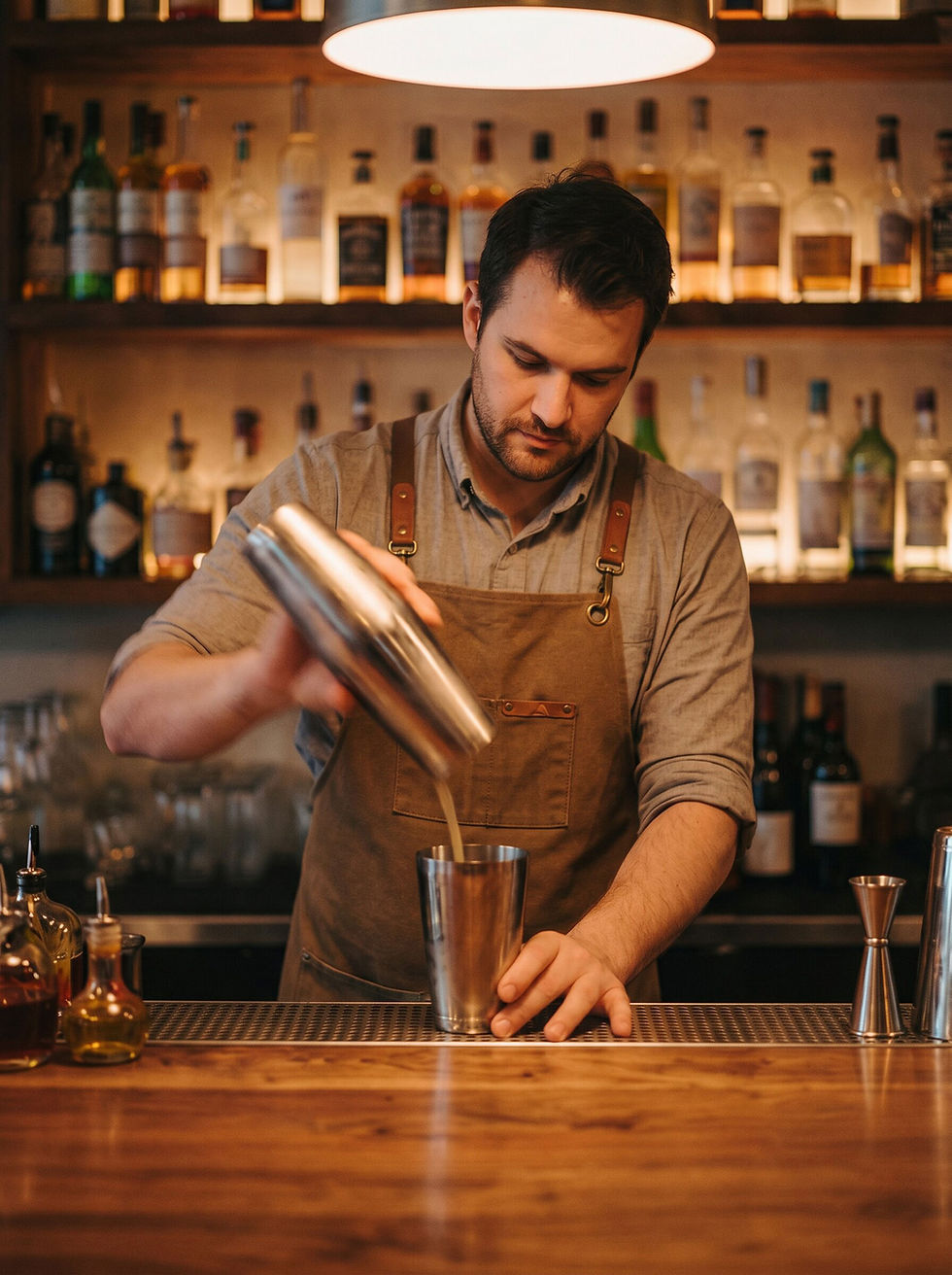
Liquor Liability Insurance in Arkansas: A Complete Guide
Owning a business that sells or serves alcohol can create opportunities for growth, but it also comes with unique risks. Whether you operate a bar in Little Rock, a restaurant in Fayetteville, a brewery in Bentonville, or an event venue in Hot Springs, alcohol-related claims can create significant financial and legal challenges.

That's why understanding liquor liability insurance in Arkansas is important. This guide explains what liquor liability insurance is, who may need it, what it typically covers, estimated Arkansas insurance costs, and how business owners can better manage alcohol-related risks.
What Is Liquor Liability Insurance?
Liquor liability insurance is a specialized form of commercial insurance designed for businesses that sell, serve, manufacture, or distribute alcoholic beverages.
Depending on the policy and specific circumstances, liquor liability insurance may help address covered claims involving:
Bodily injury
Property damage
Legal defense costs
Alcohol-related liability allegations
Coverage terms vary between policies and insurers. Not every claim will be covered, and policy exclusions and conditions always apply.
Businesses that commonly carry liquor liability insurance include:
Bars
Restaurants
Breweries
Wineries
Distilleries
Nightclubs
Event venues
Catering companies
Private clubs
Liquor stores
Why Liquor Liability Insurance Matters in Arkansas
Many Arkansas business owners assume that their general liability insurance automatically covers alcohol-related incidents. In many cases, that assumption can create costly coverage gaps.
Businesses involved in alcohol sales may face allegations related to:
Selling alcohol to underage individuals
Serving intoxicated customers
Alcohol-related accidents
Third-party injuries
Property damage claims
Legal expenses
Even when a business believes it acted responsibly, defending a lawsuit can be expensive.
For this reason, many Arkansas businesses view liquor liability insurance as an important part of their overall risk management strategy.
The Arkansas Alcoholic Beverage Control Division provides information regarding alcohol licensing and regulations:
What Arkansas Business Owners Need to Know
The simple answer is that liquor liability insurance helps businesses manage risks that arise from selling or serving alcohol.
Depending on the policy, liquor liability insurance may help address covered claims involving bodily injury, property damage, and legal defense expenses related to alcohol-related allegations.
Because alcohol-related incidents can lead to significant financial exposure, many Arkansas bars, restaurants, breweries, caterers, and event venues choose to carry this coverage.
A licensed insurance professional can help determine what coverage may be appropriate for your business.
Which Arkansas Businesses Should Consider Liquor Liability Insurance?
Arkansas has a diverse hospitality industry, and many different businesses may benefit from evaluating liquor liability coverage.
Restaurants
Restaurants that serve beer, wine, cocktails, or mixed drinks often face alcohol-related exposure.
Even if alcohol sales represent only a small portion of total revenue, a restaurant may still face liability allegations involving alcohol service.
Bars and Taverns
Bars often have higher exposure because alcohol sales are the primary focus of the business.
Insurance companies frequently evaluate:
Alcohol sales volume
Operating hours
Entertainment activities
Security procedures
Prior claims history
A sports bar serving alcohol late into the night may present different risks than a small neighborhood pub.
Breweries and Taprooms
Arkansas has seen growth in craft beer production, creating specialized insurance needs.
Breweries often host:
Tastings
Tours
Live entertainment
Community events
On-site alcohol consumption
These operations may require specialized insurance planning.
Wedding Venues and Event Centers
Wedding venues often host events where alcohol is served to large groups.
Because these events can involve significant guest counts, venue operators frequently consider liquor liability insurance an important coverage.
Catering Companies
Caterers serving alcohol at weddings, corporate functions, and special events face unique exposures because alcohol service occurs away from a permanent location.
What Does Liquor Liability Insurance Typically Cover?
Coverage varies by policy, but several areas are commonly addressed.
Bodily Injury Claims
Alcohol-related incidents may result in allegations involving injuries.
Depending on policy terms, liquor liability insurance may help address covered claims involving:
Customer injuries
Third-party injuries
Certain accident-related allegations
Coverage depends on policy provisions and claim circumstances.
Property Damage Claims
Some incidents may result in damage to another person's property.
Examples could include:
Vehicle damage
Building damage
Other third-party property losses
Whether coverage applies depends on policy language and the facts of the claim.
Legal Defense Costs
Legal defense expenses can become substantial, even if allegations are ultimately disputed.
Depending on the policy, liquor liability insurance may help provide defense-related benefits for covered claims.

What Liquor Liability Insurance May Not Cover
Business owners should understand that liquor liability insurance is not designed to cover every situation.
Depending on the policy, exclusions may apply to:
Intentional misconduct
Criminal acts
Fraudulent activities
Certain contractual obligations
Non-covered business operations
Every policy is different, so it is important to review exclusions and conditions carefully.
Estimated Liquor Liability Insurance Costs in Arkansas
One of the first questions Arkansas business owners ask is, "How much does liquor liability insurance cost?"
There is no single answer because pricing depends on many factors, including:
Business type
Alcohol sales volume
Claims history
Location
Operating hours
Coverage limits
Deductibles
Risk management practices
The following figures are general illustrations only and should not be considered quotes. Actual premiums vary significantly by business, carrier, and underwriting requirements.
Small Restaurant
Many Arkansas restaurants with moderate alcohol sales may see annual liquor liability premiums ranging from approximately:
$400 to $2,000 per year
Brewery or Taproom
Breweries and taprooms often see premiums ranging from approximately:
$1,000 to $6,500+ per year
depending on events, tours, and alcohol sales volume.
Bar or Tavern
Many Arkansas bars may see annual liquor liability insurance premiums ranging from approximately:
$2,000 to $12,000+ per year
depending on alcohol sales, entertainment, operating hours, and location.
Event Venue
Wedding venues and banquet facilities may encounter premiums ranging from approximately:
$1,000 to $8,000+ per year
depending on the number and size of events.
Catering Business
Catering companies that serve alcohol may see premiums ranging from approximately:
$750 to $5,000+ per year
depending on event frequency and operations.
Nightclubs
Nightclubs and large entertainment venues generally represent a higher-risk category and may encounter premiums ranging from approximately:
$5,000 to $30,000+ per year
depending on capacity, alcohol sales, and risk characteristics.
These ranges are estimates only. Actual premiums vary widely based on business-specific factors and insurance company underwriting guidelines.
What Factors Affect Liquor Liability Insurance Rates in Arkansas?
Several factors influence insurance pricing.
Alcohol Sales Revenue
Businesses generating a larger percentage of revenue from alcohol often face higher exposure levels than businesses with limited alcohol sales.
Operating Hours
Late-night operations are frequently viewed as higher risk than businesses that close earlier in the evening.
Claims History
Insurance carriers often review:
Prior liability claims
Alcohol-related incidents
Litigation history
Loss records
A favorable claims history can help support better underwriting outcomes.
Business Location
Location may impact pricing due to:
Local legal environments
Crime trends
Population density
Claim frequency
Security Procedures
Insurers often consider whether a business has:
Security cameras
Alarm systems
Trained staff
Written alcohol service procedures
Security personnel when appropriate
How Arkansas Businesses Can Reduce Liquor Liability Risks
Insurance is only part of a strong risk management strategy.
Train Employees
Effective alcohol service training may help employees:
Verify customer age
Recognize intoxication
Follow company policies
Respond appropriately to incidents
Develop Written Procedures
Written guidelines help create consistency throughout the business.
Examples include:
ID verification requirements
Refusal-of-service policies
Incident reporting procedures
Manager notification requirements
Maintain Good Documentation
Keeping organized records can be valuable.
Examples include:
Training documentation
Incident reports
Employee acknowledgments
Compliance reviews
Conduct Annual Insurance Reviews
Business operations change over time.
Annual reviews can help ensure coverage reflects:
Business growth
Additional locations
New services
Changes in alcohol sales
The U.S. Small Business Administration provides additional business management resources at:
Common Mistakes Arkansas Business Owners Make
Several errors can leave alcohol-serving businesses exposed.
Common mistakes include:
Assuming general liability includes liquor liability coverage
Buying insurance based only on price
Failing to train employees
Ignoring policy exclusions
Not updating insurance after business changes
Skipping annual policy reviews
Taking a proactive approach can help reduce these risks.
Frequently Asked Questions
Is liquor liability insurance required in Arkansas?
Requirements vary depending on contracts, landlords, lenders, and business operations. Many businesses carry coverage because of potential alcohol-related liability exposure.
How much does liquor liability insurance cost in Arkansas?
Many Arkansas businesses may pay between approximately $400 and $30,000+ annually, depending on business type, alcohol sales, claims history, and operations. These are general estimates only.
Do restaurants need liquor liability insurance in Arkansas?
Restaurants that serve alcohol should evaluate their risk carefully because general liability policies may not automatically cover certain alcohol-related exposures.
Does liquor liability insurance cover every claim involving alcohol?
No. Coverage depends on policy language, exclusions, limitations, conditions, and the facts of the claim.
What businesses should consider liquor liability insurance?
Bars, restaurants, breweries, wineries, catering companies, event venues, private clubs, and liquor stores should discuss their exposure with a licensed insurance professional.
Get a Free Liquor Liability Insurance Quote
If your Arkansas business sells or serves alcohol, having the right coverage can be an important part of protecting your operation. Wexford Insurance helps business owners understand their risks and compare liquor liability insurance options tailored to their specific needs.
Call 317-942-0549 or visit https://www.wexfordins.com/ to request a free quote and speak with a licensed insurance professional about your liquor liability insurance needs.