
Laundromat General Liability Insurance: What It Covers for Customers on Your Premises
Laundromats welcome customers into the business every day, often without appointments, employee supervision, or scheduled visits. With people walking between washers, dryers, folding stations, vending areas, and entrances, customer-related liability risks are part of normal operations.
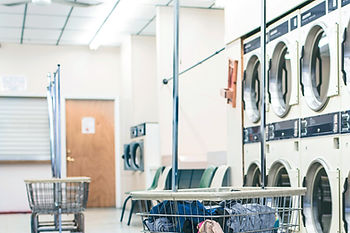
That's why understanding laundromat general liability insurance is important for owners, investors, and operators. General liability coverage is often one of the first policies landlords, lenders, and business partners expect a laundromat to carry. Many owners start by exploring specialized laundromat insurance programs built around the unique needs of coin laundry businesses.
What Does Laundromat General Liability Insurance Cover?
Laundromat general liability insurance typically helps protect a business against covered claims involving third-party bodily injury, property damage, and certain personal or advertising injuries. Coverage generally applies when customers, visitors, vendors, or other non-employees allege they suffered damages connected to the business's operations or premises.
Coverage depends on policy wording, exclusions, endorsements, limits, and the facts of the claim. Not every incident is covered, which makes understanding the policy's scope important.
Why General Liability Insurance Matters for Laundromats
Even self-service laundromats have regular customer traffic throughout the day.
Unlike many businesses that operate by appointment, laundromats may have customers entering and exiting continuously.
Customer Foot Traffic Creates Liability Exposure
Customers interact with:
Entrances and exits
Laundry carts
Folding stations
Vending machines
Seating areas
Washers and dryers
Parking lots
Any location open to the public carries the possibility of accidents and liability allegations.
Many Landlords Require It
Property owners frequently require tenants to maintain liability insurance as part of a commercial lease.
Landlords may also request:
Additional insured status
Certificates of insurance
Minimum liability limits
Coverage requirements vary by lease agreement.
Vendors and Business Partners May Request Coverage
Equipment vendors, service contractors, and property managers sometimes request proof of liability insurance before beginning work or entering into agreements.
What General Liability Insurance Typically Covers
Although policies differ, general liability insurance generally focuses on third-party claims arising from business operations.
Bodily Injury Claims
Bodily injury coverage may apply when a customer alleges they were injured on the premises and the business is legally responsible.
Examples may include allegations involving:
Slips and falls
Trip hazards
Falling objects
Unsafe conditions
Whether coverage applies depends on policy terms and the facts surrounding the incident.
Property Damage Claims
General liability insurance may help address covered claims involving damage to another person's property.
For example, if business operations accidentally damage a third party's property, liability coverage may respond, subject to policy conditions.
The Occupational Safety and Health Administration (OSHA) also provides workplace safety guidance.
Personal and Advertising Injury
Many general liability policies include coverage for certain claims involving:
Libel
Slander
Copyright-related advertising issues
Certain reputational injury allegations
Coverage varies according to policy language.
Legal Defense Costs
General liability policies typically include defense provisions for covered claims.
How defense costs are handled depends on the specific policy structure.
Common Customer Risks at Laundromats
Understanding common exposures can help owners evaluate their insurance needs.
Slip-and-Fall Incidents
Water is a normal part of laundry operations.
Wet floors near entrances, washers, or utility areas can create slip hazards if not properly managed.
Laundry Cart Accidents
Customers often move carts carrying heavy loads of clothing and personal items throughout the facility.
Improperly maintained carts or crowded walkways can contribute to accidents.
Parking Lot Hazards
The business's responsibility may extend beyond the building itself depending on ownership or maintenance obligations.
Parking lots, sidewalks, and exterior walkways can create liability concerns.
Customer Interaction With Equipment
Although customers routinely use washers and dryers safely, equipment issues or unsafe conditions may generate allegations against the business.

What General Liability Insurance Usually Does Not Cover
One of the most important parts of evaluating insurance is understanding what falls outside the policy.
Employee Injuries
Employee injuries are generally handled through workers' compensation insurance rather than general liability insurance.
Workers' compensation requirements vary by state.
Damage to Business Property
General liability insurance protects against certain third-party claims.
It does not typically insure your own washers, dryers, coin machines, or other business property.
Explore more in our blog: Laundromat Property Insurance: Covering Washers, Dryers, and Coin Equipment.
Professional Services Exposures
Certain service-related activities may create risks not fully addressed under a standard general liability policy.
Intentional Acts
Insurance generally does not cover intentional wrongdoing, fraudulent conduct, or criminal actions.
How Service-Based Laundry Operations Affect Liability Risks
Not every laundromat operates solely as a self-service facility.
Many owners expand into service offerings that create additional insurance considerations.
Wash-and-Fold Services
When customers leave garments in your possession, additional exposures may arise regarding customer property and service operations.
Pickup and Delivery Operations
Businesses offering pickup and delivery services may need to evaluate additional auto and liability considerations.
Commercial Laundry Accounts
Handling laundry for business clients can create operational risks that differ from traditional self-service operations.
Learn more in our blog: Insurance for Wash-and-Fold, Drop-Off, and Pickup Laundry Services.
Many operators offering expanded services evaluate broader coin laundry insurance programs that address multiple aspects of the business.
Who Typically Requires General Liability Insurance?
General liability coverage often becomes necessary even before a business opens its doors.
Commercial Landlords
Landlords commonly require liability insurance before signing or renewing leases.
Lease provisions often specify minimum coverage requirements.
Lenders
Business lenders and property lenders may require evidence of insurance as part of financing agreements.
Franchise or Brand Requirements
Some business organizations and franchise systems impose minimum insurance requirements.
Business Owners Protecting Assets
Many owners purchase general liability coverage simply because they want protection against customer-related liability exposures.
What Factors Affect General Liability Insurance Costs?
Insurance pricing depends on multiple underwriting factors.
There is no standard premium that applies to every laundromat.
Business Operations
Self-service laundromats, attended laundromats, and full-service laundry businesses often have different exposure profiles.
Property Characteristics
Insurers commonly evaluate:
Building condition
Premises maintenance
Customer traffic
Safety measures
Location characteristics
Revenue
Business revenue may be part of the underwriting review process.
Claims History
Prior liability claims can affect pricing and eligibility considerations.
Coverage Limits
The limits selected for liability protection often influence policy costs.
How to Get a General Liability Insurance Quote
Preparing accurate information helps insurers evaluate your business appropriately.
You may be asked to provide:
Business name
Business location
Description of operations
Annual revenue
Employee count
Claims history
Existing insurance details
Providing complete and accurate information can help avoid underwriting delays.
For insurance education resources and state insurance department information, owners can visit the National Association of Insurance Commissioners (NAIC).
Frequently Asked Questions
Does laundromat general liability insurance cover customer injuries?
General liability insurance may respond to covered bodily injury claims involving customers, depending on policy terms and circumstances.
Is general liability insurance required for a laundromat?
State laws may not always require it, but landlords, lenders, and contracts frequently do.
Does general liability cover damage to laundry equipment?
No. Damage to your own business property is generally addressed through property insurance rather than liability coverage.
Does liability insurance cover wash-and-fold services?
Some exposures may be covered, while others may require additional coverage depending on business operations and policy wording.
Do self-service laundromats need liability insurance?
Yes, many owners choose liability insurance because customer traffic creates potential bodily injury and property damage exposures.
Protect Your Business and Your Customers
Customer traffic is essential to a successful laundromat, but every visitor also creates potential liability exposure. Whether your business operates as a traditional coin laundry, an attended facility, or a full-service operation, general liability insurance is often a core part of protecting the business.
A well-designed insurance program should consider liability coverage alongside property protection, service-related exposures, and contractual requirements. If you're evaluating coverage options for your operation, explore specialized laundromat business insurance solutions through Laundromat Guard and discuss your coverage needs with an insurance professional who understands the laundry industry.


