
Landscaping Equipment Cost Breakdown for New Businesses
A Landscaping contractor starting a new business must balance performance, durability, and cost when building their initial equipment setup. Investing in dependable tools from the beginning helps reduce downtime, improve service consistency, and control replacement expenses over time. Understanding typical equipment costs can also make budgeting easier and help new businesses scale more smoothly as workloads grow.
Below is a practical breakdown of essential landscaping equipment categories, example tools commonly used by professionals, and realistic cost ranges to expect when getting started.

1. Walk Behind String Trimmer
Example Product: Echo SRM 225 Gas Trimmer
Estimated cost range: Moderate
A commercial grade string trimmer is one of the most frequently used tools in daily landscaping work. It handles edging, trimming around obstacles, and detail work that mowers cannot reach. Spending a bit more on durability and engine reliability helps avoid frequent downtime early on.

2. Backpack Leaf Blower
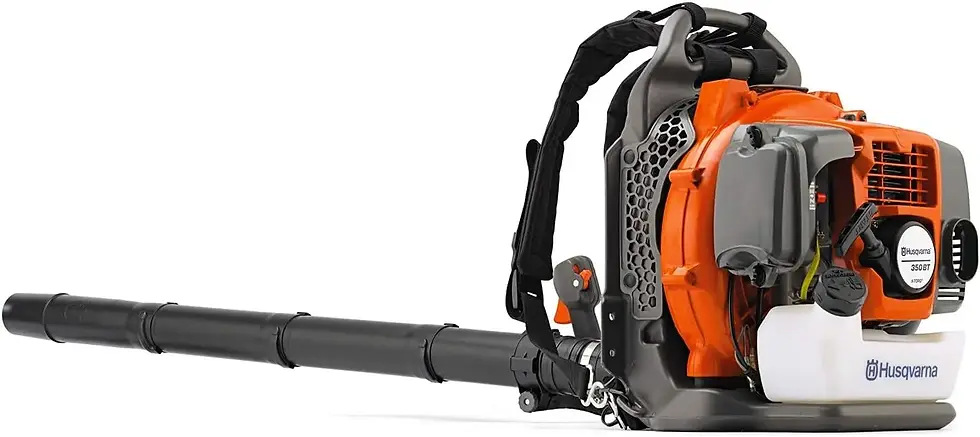
Example Product: Husqvarna 350BT Backpack Blower
Estimated cost range: Mid to high
Backpack blowers are essential for cleaning hardscapes, driveways, and lawn surfaces after mowing or trimming. Higher powered models improve productivity and reduce cleanup time, which can directly affect daily job capacity for new businesses.
3. Pressure or Pump Sprayer
Example Product: Chapin 20006 Pump Sprayer 3‑Gallon, Lawn & Garden
Estimated cost range: Low
Sprayers are necessary for weed control, fertilizer application, and spot treatments. A mid size pump sprayer offers flexibility without high upfront cost. This is one of the most cost effective tools to add early while still delivering professional results.

4. Push Lawn Mower
Example Product: Honda HRX217VKA Lawn Mower
Estimated cost range: Mid
A reliable push mower is often the backbone of residential lawn services. Models with durable decks and strong engines hold up better under frequent use. While entry level options exist, investing in long term reliability can reduce maintenance interruptions.

5. Hand Tools and Accessories
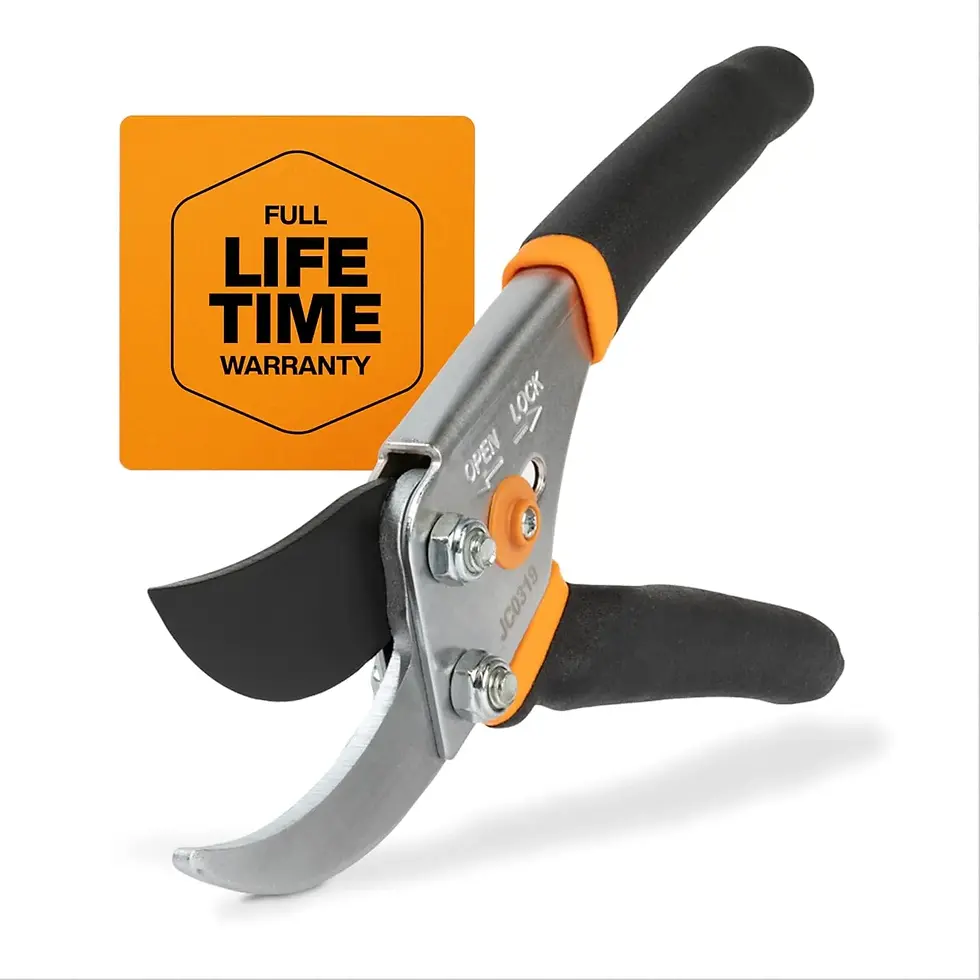
Example Products: Fiskars Steel Pruning Shears
Estimated cost range: Low
Hand tools support daily detail work like edging, pruning, and bed maintenance. While individually inexpensive, these tools add up and should be included in startup budgeting. Choosing durable materials helps extend service life under routine use.
Why Planning Equipment Costs Matters for New Landscaping Businesses
Early equipment decisions affect everything from daily efficiency to long term expansion potential. Under‑investing can lead to frequent breakdowns and lost jobs, while over‑investing may strain cash flow unnecessarily. A balanced approach focused on reliability, frequency of use, and replacement cycles helps new landscaping businesses establish a strong operational foundation.
Protecting Your Landscaping Business
Building your equipment lineup is only part of starting a landscaping operation. Protecting your tools, vehicles, and workers plays a critical role in long term stability. Accidents, theft, or equipment damage can create costly setbacks if proper coverage is not in place.

Landscaping Contractor Insurance may include:
Commercial auto
General liability
Property and Contractors Equipment Insurance
Workers Compensation Insurance
👉 Click here to get a fast no‑obligation quote from Wexford Insurance.


