
Junk Removal Insurance in Texas: Requirements and Costs
Running a junk removal business may seem straightforward, but the work comes with real risks. From hauling heavy items and driving loaded trucks to working on customer property, a single accident can lead to costly claims or unexpected expenses.
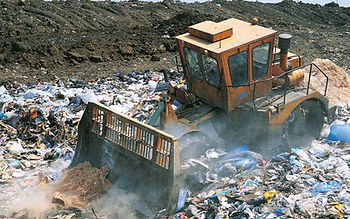
That is why understanding Junk Removal Insurance in Texas is important for business owners. Whether you're offering residential cleanouts, construction debris hauling, appliance removal, or commercial junk removal services, the right insurance coverage may help protect your company from common business risks.
Why Junk Removal Businesses Need Insurance
Junk removal companies perform physically demanding work in constantly changing environments.
Employees may enter homes, office buildings, construction sites, warehouses, and industrial properties. Every location presents unique hazards that can lead to injuries, property damage, or liability claims.
Common risks include:
Damage to customer property
Employee injuries while lifting heavy items
Vehicle accidents
Equipment theft
Claims involving disposal practices
Slip-and-fall accidents
Damage during loading and unloading
Insurance cannot prevent accidents, but it may help reduce the financial impact of covered losses.
Common Insurance Requirements for Junk Removal Companies
Texas does not have one universal insurance policy that every junk removal business must carry.
Requirements often depend on:
Business structure
Employee count
Vehicle ownership
Client contracts
Municipal requirements
Types of materials hauled
Commercial clients, property managers, and government entities frequently require proof of insurance before awarding contracts.
Because requirements can vary and change over time, business owners should verify obligations with applicable authorities and consult a licensed insurance professional.
General Liability Insurance
General liability insurance is often considered one of the most important coverages for junk removal businesses.
This coverage may help protect your company if a third party claims bodily injury, property damage, or certain personal and advertising injuries arising from your operations, depending on policy terms.
Examples may include:
A worker accidentally damages a customer's flooring
A piece of furniture damages a wall during removal
A visitor trips over equipment at a job site
Property damage occurs while removing debris
Many clients require general liability insurance before work begins.
Why General Liability Matters for Junk Removal Contractors
Unlike many businesses that operate from a fixed location, junk removal companies work directly on customer property every day.
Every pickup creates potential exposure to claims involving:
Homes
Apartments
Offices
Retail locations
Construction sites
General liability insurance may help address these common exposures.
Commercial Auto Insurance
Vehicles are the backbone of nearly every junk removal operation.
Many businesses rely on:
Pickup trucks
Dump trucks
Box trucks
Trailers
Roll-off vehicles
Commercial auto insurance may help address covered claims involving business-owned vehicles.
Potential coverage areas may include:
Bodily injury liability
Property damage liability
Collision-related losses
Certain legal expenses
Coverage depends on the policy, vehicle type, and selected limits.
Why Personal Auto Insurance May Not Be Enough
Personal auto policies are generally not intended for commercial hauling operations.
Businesses using vehicles for:
Customer pickups
Debris transport
Equipment movement
Commercial hauling
should discuss commercial auto coverage with a licensed insurance professional.
Workers' Compensation Insurance
Junk removal often requires lifting, carrying, loading, and transporting heavy objects.
Workers may encounter injuries involving:
Back strains
Falls
Cuts and punctures
Repetitive motion injuries
Equipment accidents
Heat-related illness
Workers' compensation insurance may help cover medical expenses and lost wages for employees injured while performing job-related duties, depending on state requirements and policy terms.
Business owners should verify current Texas requirements and consult a licensed insurance advisor regarding their specific obligations.
For workplace safety resources, visit https://www.osha.gov
Commercial Property Insurance
Many junk removal companies own and store valuable business property.
Commercial property insurance may help protect covered property from certain covered causes of loss.
Examples may include:
Office equipment
Storage facilities
Maintenance shops
Inventory
Computers
Business records
Coverage varies based on policy terms, exclusions, and limits.
Inland Marine Insurance
Despite its name, inland marine insurance is commonly used to help protect equipment that moves from one location to another.
Junk removal companies often transport:
Hand tools
Dollies
Hydraulic equipment
Trailers
Compact loaders
Specialized hauling equipment
Depending on policy terms, inland marine coverage may help protect equipment while it is being transported or temporarily stored at job sites.
Pollution and Environmental Liability Considerations
Some junk removal companies occasionally encounter materials that require special disposal procedures.
Examples may include:
Chemicals
Paint products
Batteries
Automotive fluids
Certain electronic waste
Improper handling can create liability concerns.
Businesses that routinely work with potentially hazardous materials should discuss environmental liability exposures with a licensed insurance professional to determine whether additional coverage may be appropriate.
Umbrella Liability Insurance
Junk removal businesses can face significant liability claims, especially when vehicles or property damage are involved.
Umbrella liability insurance may provide an additional layer of coverage above certain underlying liability policies, subject to policy terms and conditions.
This coverage is often considered by businesses that:
Handle large commercial projects
Operate multiple vehicles
Work for municipalities
Serve large corporate clients
Coverage provisions vary by policy.

Equipment Breakdown Coverage
Some junk removal operations rely on specialized machinery.
Examples include:
Compact loaders
Lift equipment
Hydraulic systems
Material handling equipment
Equipment breakdown coverage may help address certain repair or replacement expenses related to covered mechanical failures, depending on policy terms.
Business owners should review coverage details carefully to understand what is and is not included.
How Much Does Junk Removal Insurance Cost in Texas?
One of the most common questions business owners ask is how much insurance will cost.
The answer depends on several factors.
Insurance companies commonly evaluate:
Number of employees
Revenue
Claims history
Types of services performed
Vehicle fleet size
Equipment values
Geographic service area
Coverage limits selected
A small owner-operated junk hauling business may have different insurance needs than a larger company handling construction debris removal or commercial cleanouts.
Because costs vary by business, carrier, and coverage selections, the best way to understand pricing is to obtain quotes tailored to your operations.
What Impacts Insurance Costs?
Several factors can influence insurance pricing.
These may include:
Type of Materials Removed
Removing household furniture may present different risks than hauling construction debris or handling specialty disposal projects.
Number of Vehicles
More vehicles generally create additional exposure and may affect insurance costs.
Claims History
Businesses with prior claims may face different pricing considerations than companies with clean loss histories.
Employee Count
Larger crews often create additional workers' compensation and liability exposures.
Coverage Limits
Higher coverage limits may increase premiums but can provide additional protection.
Common Insurance Mistakes Junk Removal Business Owners Make
Many business owners focus only on the lowest available premium.
However, insurance should be evaluated based on coverage, not just cost.
Common mistakes include:
Using personal auto insurance for business vehicles
Underinsuring equipment
Ignoring contract requirements
Failing to update coverage after growth
Overlooking umbrella liability options
Not reviewing policies regularly
A proactive approach may help reduce potential coverage gaps.
Risk Management Tips for Junk Removal Businesses
Insurance works best when combined with strong operational practices.
Consider implementing:
Driver safety programs
Employee lifting training
Vehicle maintenance schedules
Equipment inspection procedures
Written safety policies
Job site documentation practices
The U.S. Small Business Administration provides additional small business resources at https://www.sba.gov
These practices may help support safer operations and reduce the likelihood of claims.
Choosing the Right Insurance Program
Every junk removal business is unique.
When evaluating insurance needs, consider:
Services offered
Vehicles operated
Size of workforce
Equipment values
Client requirements
Types of waste handled
Geographic service area
A licensed insurance professional can help review these exposures and identify coverage options that align with your operations.
Because requirements and risks vary by business, insurance decisions should always be based on your specific circumstances.
Frequently Asked Questions
What insurance do junk removal companies need in Texas?
Many junk removal businesses carry general liability insurance, commercial auto insurance, workers' compensation insurance, equipment coverage, and commercial property insurance. Coverage needs vary by business.
Is junk removal insurance required in Texas?
Requirements depend on business operations, contracts, employees, and vehicles. Many clients require proof of insurance before work begins.
Does general liability insurance cover property damage?
General liability policies may help address certain third-party property damage claims, depending on policy terms, exclusions, and the circumstances involved.
Do junk removal companies need commercial auto insurance?
Businesses that use trucks, trailers, or other vehicles for commercial hauling typically consider commercial auto insurance an important part of their coverage strategy.
How often should a junk removal company review its insurance?
Most businesses benefit from reviewing coverage annually and whenever major changes occur, such as adding vehicles, hiring employees, purchasing equipment, or expanding services.
Protect Your Texas Junk Removal Business
Junk removal companies face unique risks every day, from vehicle accidents and employee injuries to customer property damage and equipment losses. Having the right insurance strategy may help protect your operations, support client requirements, and provide confidence as your business grows.
Ready to review your contractor insurance coverage? Request a free, no-obligation quote from Wexford Insurance today:
The Wexford Insurance team can help contractors and service businesses evaluate risks, understand coverage options, and build an insurance program designed to support long-term success.


