
How To Get a Business Insurance Quote for a Roofing Contractor
- May 22
- 6 min read
Running a roofing business means working in one of the most high-risk trades in construction. Every day, your crew is climbing ladders, removing old materials, installing new systems, and working in unpredictable weather. It only takes one misstep, one piece of falling debris, or one missed flashing detail to create a costly claim.
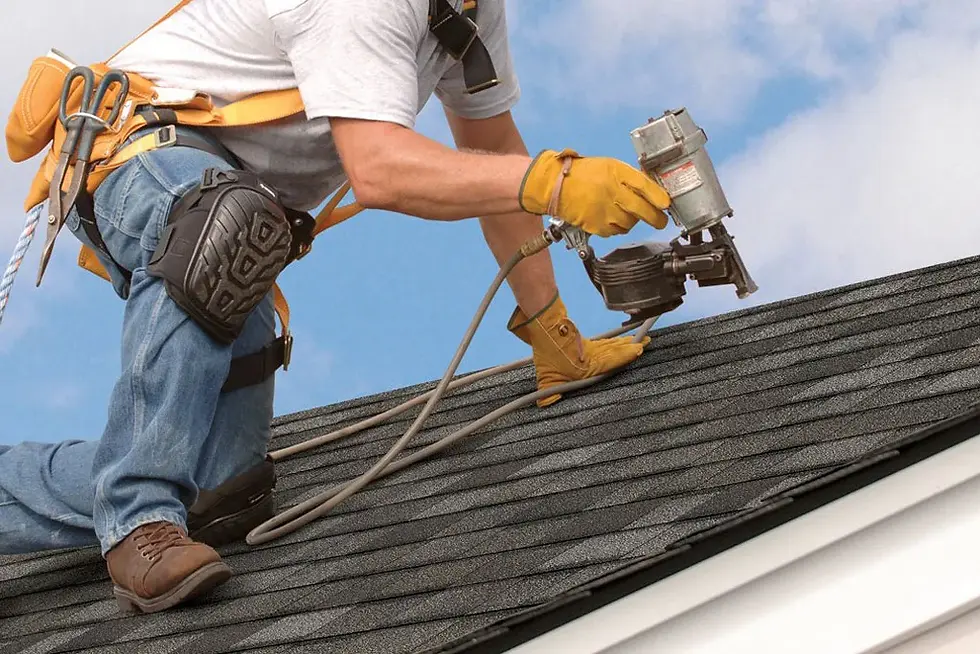
That’s why roofing contractor business insurance isn’t optional—it’s foundational. At Wexford Insurance, we’ve worked with roofing contractors at every stage, from small residential crews to established commercial operations. One thing is consistent: the contractors who invest time upfront to get an accurate insurance quote are the ones who avoid major financial surprises later.
Nate Jones, CPCU, ARM, CLCS, AU, founder of Wexford Insurance, explains it clearly: “Roofing is one of the most scrutinized classes by insurance carriers. If your application doesn’t fully explain your operation, you’re either going to overpay—or worse, end up underinsured.”
In this guide, we’ll walk you through exactly how to get a roofing insurance quote the right way—and how to make sure it actually protects your business.
Average Cost of Roofing Contractor Insurance
Insurance pricing for roofers varies significantly depending on your operations, but here’s what we typically see across the market.
Estimated Range: $2,500 – $12,000+ per year
General liability insurance covers third-party injury and property damage. Roofing has elevated pricing due to the risk of falling debris, water intrusion, and high-value property exposure.
Estimated Range: $8,000 – $40,000+ per year
Roofing is classified as high-risk work, so workers’ compensation insurance is one of the largest expenses. Costs depend heavily on payroll and safety practices.
The Insurance Information Institute also highlights construction trades like roofing as having elevated liability exposure due to jobsite hazards and property damage risks
Estimated Range: $3,500 – $15,000+ per year
Covers trucks and vans used to transport crews and materials. Pricing is based on vehicle type, driver records, and usage.
Estimated Range: $1,000 – $5,000+ per year
Covers tools like nail guns, compressors, ladders, and materials while on the move between jobsites.
Business Owner’s Policy (BOP)
Estimated Range: $3,000 – $10,000+ per year
A Business Owner’s Policy bundles liability and property coverage where applicable.
Umbrella Insurance
Estimated Range: $1,500 – $8,000+ per year
Adds additional liability limits above your primary policies—especially important for larger projects.

What Factors Affect Roofing Insurance Costs?
Roofing isn’t priced like other trades. In Nate Jones’s experience as a former underwriting manager, insurers look deeper at jobsite risk and loss potential than almost any other contractor class.
Here’s what impacts your cost most:
Type of Roofing Work
Residential shingle work is viewed differently than commercial flat roofing or large-scale tear-offs.
Height and Pitch Exposure
Steep-slope roofing carries significantly higher risk.
Crews and Subcontractors
More workers mean more injury exposure. Subcontractor usage must be properly documented and insured.
Revenue and Project Size
Larger jobs increase liability exposure, especially on high-value properties.
Claims History
Roofing contractors with prior water intrusion or liability claims often face higher premiums.
Safety Practices
Formal safety training and fall protection systems can make a meaningful difference in pricing.
At Wexford Insurance, we’ve seen contractors improve pricing simply by documenting safety procedures more clearly during underwriting.
How to Get a Business Insurance Quote for a Roofing Contractor
Step 1: Gather Your Core Business Information
Start with your foundational details:
Business name and address
Years in operation
Annual revenue
Number of employees
This gives underwriters a clear picture of your company’s size and experience level.
Step 2: Clearly Define Your Roofing Operations
This is where most quotes go wrong.
Be specific about:
Types of roofing (shingle, metal, flat, tile)
Residential vs. commercial work
Percentage of tear-offs vs. repairs
Emergency or storm-related work
At Wexford, we often see contractors leave out key details, which leads to inaccurate pricing or coverage gaps.
Step 3: Provide Payroll and Employee Details
Workers’ compensation is based heavily on payroll.
You’ll need:
Total payroll
Number of employees
Job duties (roofers vs. office staff)
One of the most common mistakes Nate sees roofing contractors make is misclassifying employees, which can cause issues during audits or claims.
Step 4: List Your Vehicles and Drivers
Commercial auto coverage requires:
Vehicle types (pickup trucks, dump trailers, vans)
Number of vehicles
Driver history and records
Because roofing crews often travel with tools and materials, accurate vehicle usage information is critical.
Step 5: Estimate Equipment and Material Values
Your tools and materials represent a significant investment.
Include:
Ladders, compressors, safety gear
Roofing materials stored or transported
Jobsite equipment
Underestimating these values can leave you exposed during a loss.
Step 6: Review Coverage Options Carefully
Not all quotes are equal.
Make sure your policy includes:
Adequate liability limits
Equipment coverage
Auto protection
Workers’ compensation
Nate Jones, CPCU, ARM, CLCS, AU, often advises: “A roofing policy needs to be built around real jobsite exposure—not just minimum requirements. That’s where experienced guidance makes a difference.”
Step 7: Compare Quotes Based on Coverage, Not Price
The lowest price is rarely the best option.
Look at:
Coverage limits
Policy exclusions
Deductibles
Endorsements
At Wexford Insurance, we walk contractors through multiple options so they understand what they’re actually buying.
Key Insurance Coverages for Roofing Contractors
General liability insurance is the foundation of your policy.
It covers:
Property damage (like a roof leak caused during installation)
Third-party injuries
Legal costs
At Wexford Insurance, one of the most common claims we see is water intrusion after completed work—often due to flashing or installation issues.
Roofing is physically demanding and dangerous work.
This coverage helps pay for:
Medical bills
Lost wages
Rehabilitation
The Occupational Safety and Health Administration (OSHA) identifies falls as one of the leading causes of death in construction, which highlights the importance of proper coverage and safety measures:https://www.osha.gov/falls
Your business likely relies on trucks and vans daily.
Commercial auto insurance covers:
Accidents involving company vehicles
Property damage
Liability claims
At Wexford, auto claims are one of the most frequent issues roofing contractors face.
Also known as inland marine, this covers:
Tools
Equipment
Materials
Whether stolen from a jobsite or damaged during transport, this coverage keeps your operations moving.
Umbrella Insurance
Umbrella insurance adds additional liability protection above your standard limits.
For contractors working on high-value homes or commercial buildings, this added layer of protection is often essential.
How to Lower Your Roofing Contractor Insurance Costs
Managing risk effectively can help control your premiums.
Here are proven strategies:
Implement fall protection and safety training programs
Use written contracts with clear liability language
Vet and insure subcontractors properly
Maintain a clean claims history
Keep detailed records of jobsite procedures
Bundle policies where possible
Review coverage annually with an advisor
At Wexford Insurance, we’ve helped contractors reduce costs by improving documentation and tightening operational processes—not cutting coverage.
Frequently Asked Questions
Do roofing contractors need general liability insurance?
Yes. Most clients require proof of insurance before allowing work to begin. It also protects you from costly damage claims.
Is workers’ compensation required?
In most cases, yes if you have employees. Roofing is considered a high-risk trade, making this coverage essential.
Does insurance cover faulty workmanship?
Generally, insurance covers resulting damage—not the faulty work itself. This is a key distinction many contractors misunderstand.
Can I bundle my insurance policies?
Yes. Many contractors combine liability, workers’ compensation, and property coverage into one structured program.
How often should I update my policy?
At least annually, or anytime your business changes—such as hiring more crew members or taking on larger jobs.
Why Roofing Contractors Choose Wexford Insurance
At Wexford Insurance, we work closely with contractors who operate in high-risk trades like roofing. We understand how your business runs because we’ve seen it firsthand—from small residential crews to larger operations managing multiple projects at once.
We recently helped a roofing contractor who had grown quickly over two years but hadn’t updated their policy. Their coverage no longer matched their risk level. After reviewing their operation, we restructured their policies to better reflect their exposure—giving them confidence moving forward.
As an independent agency, we represent multiple carriers. That means we can compare options and tailor coverage specifically to your needs—not force you into a generic policy.
Nate Jones, CPCU, ARM, CLCS, AU, brings deep expertise from his background as an underwriting manager and his degree in Insurance and Risk Management from Indiana State University. He evaluates your business the same way insurance companies do—which helps avoid surprises during claims.
We’re also a proud Trusted Choice agency, committed to transparency, service, and long-term relationships.
Get a Roofing Contractor Insurance Quote Today
Your roofing business is built on hard work, skill, and reputation. The right insurance protects everything behind it.
If you’re ready to get a quote—or want a second opinion on your current coverage—we’re here to help.
Our office address is107 N State Road 135, STE 304, Greenwood, IN 46142
Call 317-942-0549 or visit www.wexfordins.com. We will compare multiple carriers and help you secure the right protection at the best possible price.


